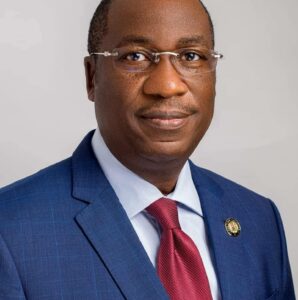
Ola Olukoyede EFCC Chairman
The Economic and Financial Crimes Commission (EFCC) has cautioned religious leaders against diverting tithes, offerings, zakat, and other congregational contributions into personal business ventures, warning that such actions constitute financial crimes.
The Executive Chairman of the EFCC, Ola Olukoyede, issued the warning in Abuja during the 2026 Second Council Meeting of the Nigeria Inter-Religious Council (NIREC), themed “Shared Sacred Flourishing in Nigeria.”
Key Takeaways from the EFCC Address
Separation of Finances: Clergy and Islamic scholars must strictly keep institutional worship funds separate from personal business accounts, even if they engage in side vocations like farming or commerce.
Prohibiting “Moral Shelter”: Religious institutions were admonished to stop dedicating facilities built by public servants whose costs exceed centuries of their legitimate earnings, as doing so legitimizes the proceeds of crime.
Launch of Anti-Corruption Manual: The EFCC inaugurated a tailored Inter-Faith Manual designed to help religious leaders preach anti-corruption messages and foster moral accountability among followers.
Internal Accountability: The commission disclosed that it has dismissed over 40 of its own staff for corrupt practices while establishing the Directorate of Fraud Risk Assessment and Control to monitor Ministries, Departments, and Agencies (MDAs).
Leading by Example at the Pulpit and Minbar
Addressing the assembly of Christian and Islamic leaders, Olukoyede stressed that followers naturally mirror the conduct of their spiritual guardians. He urged churches and mosques to establish internal regulatory compliance mechanisms to safeguard the integrity of sacred funds.
“When the followers know that there is no difference between the money meant to propagate the faith you stand for and your own personal resources, you mix everything together,” Olukoyede warned. “Don’t mix the money from the purse of your organisation with your own personal money. When money is paid to your organisation, don’t divert it to your business. That’s criminal.”
The EFCC boss noted that while the commission possesses the legal mandate to investigate and prosecute fraud, faith institutions hold the unique power to shape character, cultivate honesty, and prevent crime before it occurs.
Olukoyede criticised worship centres that validate unexplained wealth by celebrating questionable donors and dedicating grand structures built with stolen public money.
“A public servant says he has built a mosque or church that is worth more than his earnings in the next 500 years, and you go there to dedicate it. You are dedicating the proceeds of crime,” he declared.
He added that financial crimes transcend tribal and religious lines, emphasizing that “corruption has no tribe and no religion—both Christians and Muslims suffer when public money is stolen.” He urged communities to refrain from viewing anti-corruption investigations into their members as ethnic or religious attacks, underscoring that no charitable donation should be used to cleanse wealth obtained through the suffering of others.