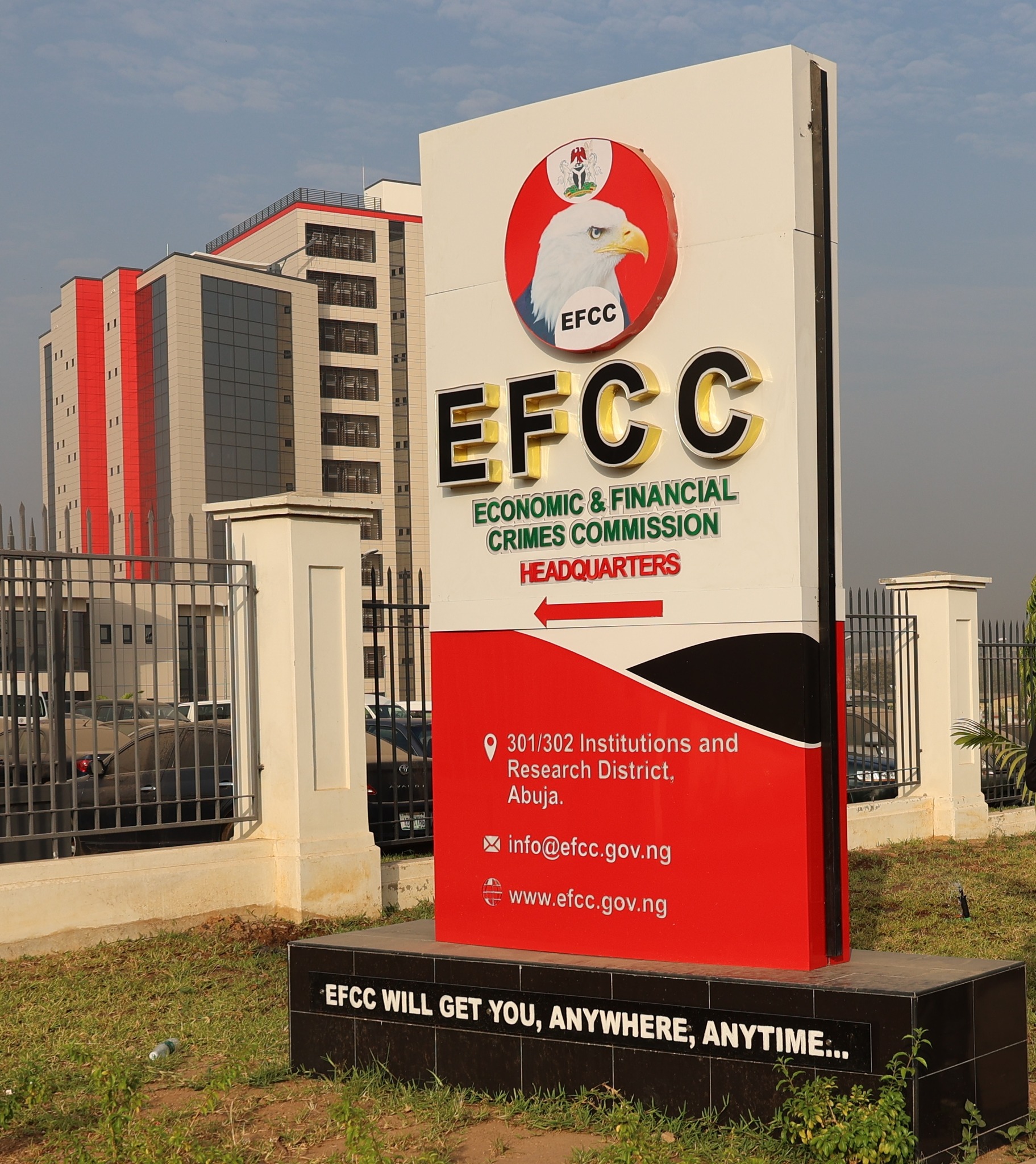
EFCC office
The Economic and Financial Crimes Commission (EFCC) and religious leaders under the auspices of the Nigeria Inter-Religious Council (NIREC) have joined forces to combat financial crimes, declaring that corruption remains a major moral threat to Nigeria’s economic growth and shared prosperity.
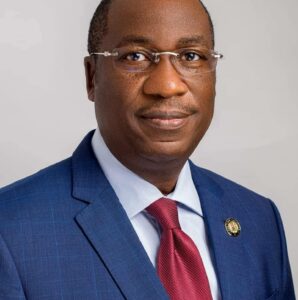
Speaking on Wednesday in Abuja during a NIREC meeting themed “Shared Sacred Flourishing in Nigeria,” EFCC Chairman, Mr. Ola Olukoyede, emphasised that economic crimes know no religious or ethnic boundaries.
The event featured the official unveiling of an Inter-Faith Anti-Corruption Manual by the Secretary to the Government of the Federation (SGF), Senator George Akume.
Olukoyede noted that while Nigeria is a deeply religious nation with full churches and mosques, there must be a honest reflection on why religious professions are not adequately translating into integrity within public and economic spheres.
“When public money is stolen, both Christians and Muslims suffer. A badly equipped hospital does not first ask a dying patient where he worships. A collapsed road does not distinguish between a Christian traveler and a Muslim traveler,” Olukoyede stated.
Highlighting the human cost of financial crimes, the EFCC boss explained that diverted health funds result in untreated patients, stolen education budgets rob children of opportunities, and looted pension funds deprive elderly citizens of dignity in retirement.
He noted that while law enforcement agencies can investigate conduct and prosecute fraud after it occurs, faith communities possess the unique moral authority to shape character, cultivate honesty, and prevent corruption before it begins.
“The EFCC can investigate a person’s conduct. Faith communities can influence that person’s character. We can prosecute fraud; religious teaching can cultivate honesty,” he said, challenging religious leaders to stop granting moral shelter to individuals with unexplained wealth.
Olukoyede urged faith leaders to use the newly designed Inter-Faith Manual, authored by Christian and Islamic scholars, to preach anti-corruption messages, restore the dignity of honest labor, and teach young Nigerians that wealth without accountability is not success.
In his remarks, SGF Sen. George Akume urged traditional and religious leaders to actively promote peace, tolerance, and inter-faith dialogue, while resisting attempts by political actors to exploit ethnic or religious differences.
“When politicians seek to fan the flames of disunity, intervene with firmness and clarity,” Akume charged the leaders.
Also contributing, the Executive Secretary of NIREC, Prof. Cornelius Omonokhua, called on the EFCC to extend its anti-corruption searchlight to the religious sector. He urged the commission to monitor and apprehend clerics who use their pulpits for hate speech or partisan political campaigns to extort money from politicians.
The high-level meeting was attended by prominent religious leaders, including the President of the Christian Association of Nigeria (CAN), Archbishop Daniel Okoh, the Sultan of Sokoto, Alhaji Sa’ad Abubakar, along with other top government officials and clerics.