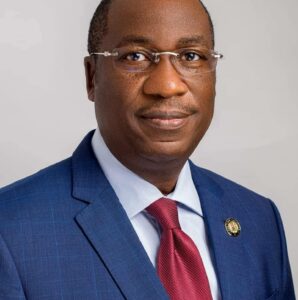
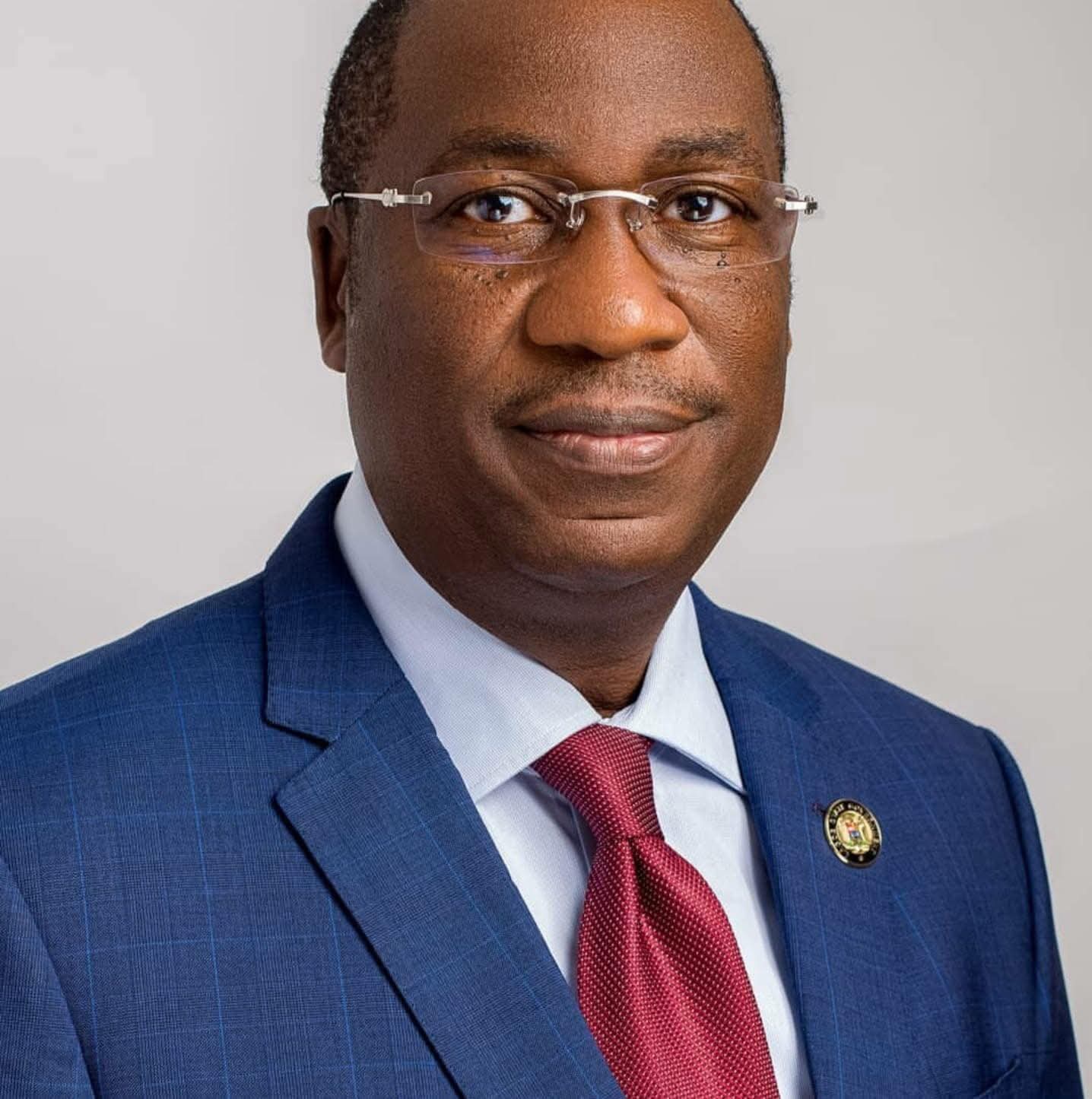
Mr. Hamzat
The Deputy Governor of Lagos State, Dr. Obafemi Hamzat, has unveiled a comprehensive policy blueprint tagged the “Promise Agenda,” outlining strategic reforms in transportation, housing, security, technology, food security, and justice delivery ahead of the 2027 governorship election.
Hamzat, who is running as the All Progressives Congress (APC) governorship candidate for 2027, presented the roadmap on Tuesday at a interactive session in Victoria Island titled “An Afternoon to Discuss the Facts and Figures of Lagos State: The 8th Largest Economy in Africa.”
The event was organised by the Lagos Chamber of Commerce and Industry (LCCI) in collaboration with the Contact and Mobilization Committee, Formal Sector for PBAT and KOH.
Describing the agenda as a binding social contract with Lagosians, Hamzat promised to commence full implementation on May 29, 2027, if elected governor, emphasizing that the document establishes measurable targets to hold his administration accountable.
Transport, Waterways, and Environmental Sustainability
Addressing one of the state’s most critical challenges, Hamzat noted that traffic congestion costs Lagos an estimated N1 trillion annually, with residents spending an average of four hours in gridlock daily due to a vehicle density of 212 per kilometer far above the national average of 16.
To tackle this, the administration plans to:
Expand Bus Rapid Transit (BRT) routes, improve intermodal terminals, and scale up rail infrastructure.
Prioritize waterways by expanding ferry terminals to link corridors like Ikorodu and Badagry.
Redesign critical traffic junctions, build modern pedestrian walkways, and plant 10 million trees within four years for environmental sustainability.
Complete key water infrastructure projects to extend pipe-borne water access to an additional six million residents.
Business Growth, Tech, and Food Security
Highlighting economic performance, Hamzat disclosed that the Lagos State Employment Trust Fund (LSETF) has enabled about 340,000 jobs since 2019. Under the 2025–2030 industrial policy, the state has proposed four new industrial parks in Epe, Badagry, Ikorodu, and Ojo.
In technology, Hamzat highlighted Yaba’s transformation into a $15.3 billion ecosystem housing nearly 2,000 startups. He committed to expanding the state’s fiber-optic cable network from 1,000 km to 6,000 km, lowering broadband costs, and adopting a “local-first” procurement policy for Nigerian tech firms.
To tackle food inflation and wastage, the state is building a 420-hectare food logistics hub and cold-chain facilities which have already slashed logistics costs for market traders in Mushin and Gbagada by 40%. Additionally, a N500 billion guarantee scheme will be established to support local farmers and streamline food distribution.
Justice, Social Welfare, and State Security
In justice delivery, Hamzat announced plans to collaborate with the judiciary to raise the civil jurisdiction of Magistrates’ Courts from N10 million to N15 million, reducing High Court caseloads, while mandating that landlord-tenant disputes be resolved within three months.
On safety, the deputy governor revealed that the state’s safety agency is expanding its workforce by 2,500 personnel to hit over 9,300 officers, establishing a solid foundation for state policing once constitutional approval is granted. He also noted increased death-in-service insurance benefits for police officers, up to N4 million for junior officers and N10 million for senior officers.
Other key social commitments include:
Allocating 5% of business support funds specifically to women-led enterprises.
Certifying skilled artisans in their local languages and creating a digital review system for their services.
Subsidizing 40% of stipends for vocational trainees placed in private companies.
Enforcing child protection measures to ensure all citizens under 18 are either enrolled in school or acquiring trade skills.
Private Sector and Financial Leaders React
Welcoming the presentation, LCCI President Mr. Leye Kupoluyi emphasized that private sector engagements allow businesses to evaluate government policies impacting operational costs and economic growth. He urged the incoming administration to focus on lowering energy costs, reducing regulatory bottlenecks, and expanding SME access to capital.
LCCI Deputy President Knit Ulvmoen called for boosted local manufacturing to curb import dependency, citing the cement industry’s evolution as a model for agriculture, textiles, and renewables.
In a goodwill message, the Managing Director of Sterling Bank, Mr. Abubakar Suleiman, pointed to the Lagos real estate sector as a massive untapped driver of capital, advising the government to unlock land assets to attract domestic investment and solidify Lagos’ position as a global financial hub. (NAN)