Coker-Odusote NIMC DG
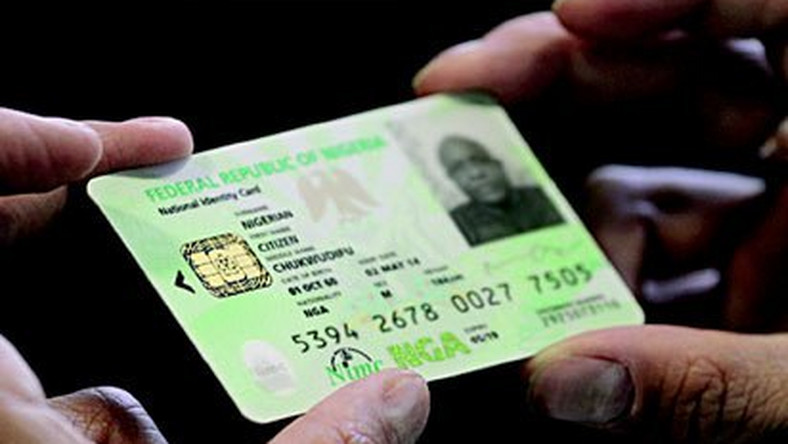
For years, getting a National Identification Number (NIN) in Nigeria was synonymous with bureaucratic bottlenecks, long queues, and days of anxious waiting. Today, Nigeria’s digital identity landscape is undergoing a systemic shift that positions the nation at the forefront of Africa’s digital public infrastructure (DPI) evolution.
At the centre of this transformation is the National Identity Management Commission (NIMC), which has quietly executed structural, legal, and technical overhauls designed to move Nigeria from basic data capture to full-scale digital trust.
Key Upgrades Shaping Nigeria’s Current State
Database Scale and Speed: The core database capacity has been expanded from 100 million to 250 million records to account for national population projections. Total NIN enrollments have crossed 140 million. Turnaround time for new issuance has dropped from 3–7 days down to under one hour.
Decentralised Grassroots Reach: NIMC has deployed a ward-level enrollment system. Mobile units now go directly to rural, hard-to-reach, and vulnerable populations across all states to guarantee universal coverage.
Architecture and Data Security: The primary identity database is strictly isolated from public-facing access points. Verification partners interact solely with dedicated verification servers, preventing direct access to core identity records.
Public Key Infrastructure (PKI) Integration: By embedding PKI into national operations, Nigeria is laying down the “trusted exchange” pillar of DPI. This enables legally binding digital signatures, secure electronic cabinet approvals, paperless land/tax administration, and protected payroll processing.
The DPI Engine: Identity, Payments, and Data Exchange
Nigeria’s tech ecosystem relies on three foundational pillars: digital identity, digital payments, and trusted data exchange. By strengthening identity and securing data exchange through PKI, the federal government is systematically plugging revenue leakages and curbing identity theft, cyber fraud, and ghost workers.
The practical impact is already visible across government portfolios. Social intervention programs managed by the Ministry of Humanitarian Affairs have drastically cut fraudulent claims by enforcing NIN verification.
Similarly, mandatory inter-agency harmonization, with bodies like the Corporate Affairs Commission (CAC), Nigeria Immigration Service, INEC, and the National Population Commission is eliminating the frustration of repetitive biometric capture for citizens.
| Operational Area | Legacy Identity System | Updated DPI Framework |
| NIN Turnaround Time | 3 to 7 business days | Under 1 hour |
| Max Database Capacity | 100 Million | 250 Million |
| Document Signing | Physical paper / manual signatures | PKI-backed legally binding digital signatures |
| Rural Access | Fixed urban center enrollment | Mobile ward-level enrollment teams |
| Data Compliance Model | Fragmented administrative oversight | Consent-based disclosure with NDPC oversight |
Stronger Enforcement and Cross-Border Trade
Under the updated regulatory framework, mandatory NIN usage across federal and state institutions is no longer just a suggestion; it carries statutory force. Collaborating with the Nigeria Data Protection Commission (NDPC), NIMC operates on a strictly consent-based disclosure model while holding full legal power to sanction non-compliant public and private institutions.
As Nigeria continues pilot operations under the African Continental Free Trade Area (AfCFTA), a secure, verifiable identity system becomes a strategic economic asset. By securing its identity layer, Nigeria is opening doors for borderless digital trade, friction-free cross-border transactions, and a digital economy built on verifiable trust.
Reporting by Theresa Igata