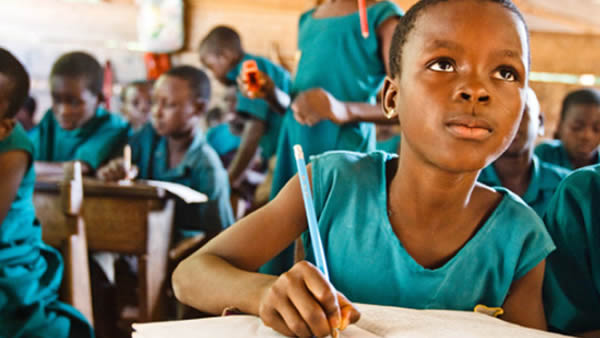
On the observance of International Day of the Girl, stakeholder calls to address child marriage have intensified across Nigeria.
The 2026 global theme, “End child marriage and invest in girls’ rights!” presents a crucial message for Sub-Saharan Africa, where child marriage prevalence remains highest, with roughly 31 percent of young women affected.
In Nigeria, where about one in three girls is married before the age of 18, according to Child marriage atlas – Girls Not Brides, the crisis is particularly acute.
With over 20 million child brides, the country accounts for one of the largest absolute numbers of child marriages globally.
While the global narrative highlights the 68 million child marriages averted over the last 25 years through social protection and legal reform, the country’s realities show deep regional and socio-economic disparities:
Regional Imbalances: In states like Jigawa, Zamfara, Sokoto, and Katsina, child marriage rates exceed 60 per cent,
Socio-Economic Factors: Wealth inequality plays a crucial role in child marriage in Nigeria, as nearly 67% of girls from the poorest households are married as minors, compared to only 5.5% from the wealthiest families, according to UNICEF and demographic data.
The Literacy Gap: Education serves as a powerful shield against early marriage in Nigeria, where 66.7% of uneducated women were married as children, compared to 13% of those with secondary or higher education, according to data from the Nigeria Demographic and Health Survey (NDHS) / UNICEF Child Marriage Database.
Conflict and Displacement: Reports from UNICEF and the Girls Not Brides Nigeria Child Marriage Atlas, also states that in Nigeria’s North-East, prolonged humanitarian crises, displacement, and economic hardship continue to drive families toward early marriage as a perceived coping mechanism.
Nigeria Child Marriage at a Glance
| Indicator | Breakdown / Statistics |
| National Prevalence Rate | 33% of girls are married before age 18 |
| Highest Regional Rates | Exceeds 60% in Northwest & North-East states (e.g., Jigawa, Zamfara, Sokoto, Katsina) |
| Education Impact | 66.7% among girls with no schooling vs. 13.0% among those with secondary education or higher |
| Wealth Gap | 67.0% among the poorest households vs. 5.5% among the wealthiest households |
The consequences extending beyond forced matrimony remain severe. Early childbearing poses grave physical risks, including obstetric fistula and maternal mortality.
Adolescent girls face significant mental health challenges due to forced isolation and distress. Globally, self-harm remains one of the leading causes of death among adolescent girls aged 15 to 19, a situation worsened when young girls are removed from school and social networks.
Nigeria adopted the Child Rights Act (CRA) in 2003, setting the legal minimum age of marriage at 18. However, implementation varies significantly across the country’s 36 states due to complex overlaps between state legislation, customary norms, and religious frameworks.
Civil society organisations, girl-led networks, and human rights advocates are emphasising key priorities to address the practice:
Enforce Legal Protections: Update and align state laws with national and international rules to protect children’s rights.
Keep Girls in School: Make sure girls, especially in rural areas or places affected by conflict, can go to safe, good-quality secondary school for free.
Engage Local Communities: Partner with community, religious, and traditional leaders to change traditional views on girls’ independence and choices.
Fund Girl-Led Initiatives: Provide financial support for social programs and projects run by young women.
As International Day of the Girl Child is marked today, advocates stress that addressing child marriage requires moving from commitments to measurable implementation across all communities.