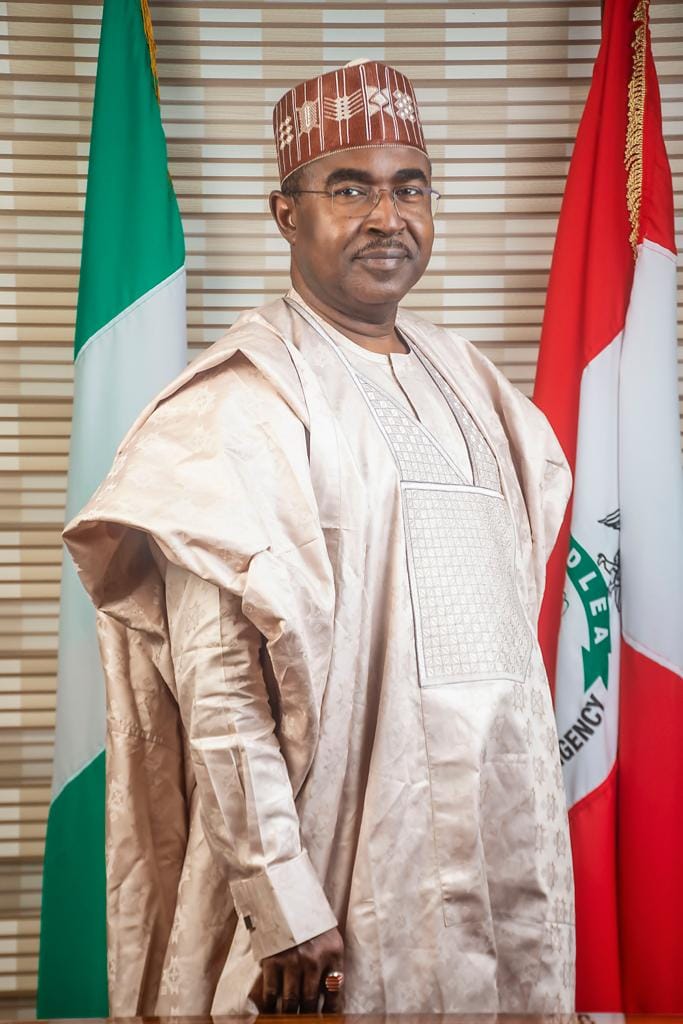
Chairman EFCC, Brig. Gen. Mohamed Buba Marwa (retd),
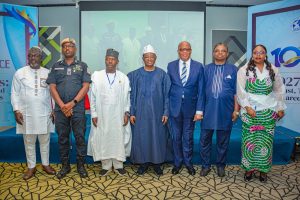
No nation can build a prosperous future on a foundation cracked by substance abuse. This sobering reality took center stage in Abuja on Wednesday, as the Federal Government, alongside local and international stakeholders, convened the National Drug Use Summit.
Themed “Addressing Illicit Drug Use and Trafficking: A Call to National Action,” the high-level gathering served as both a fierce declaration of war against criminal syndicates and an empathetic blueprint for healing a vulnerable population.
A Mandate for the Youth
Representing President Bola Ahmed Tinubu and Secretary to the Government of the Federation, Senator George Akume, the Permanent Secretary of General Services (OSGF), Dr. Adamu Ibrahim Kana, made the administration’s stance clear: Nigeria’s rising generation is too precious to lose to addiction.
“No nation can achieve sustainable development when its young population is threatened by drug abuse and addiction,” Akume stated, reaffirming the government’s commitment under the ‘Renewed Hope Agenda’ to dismantle trafficking networks while expanding mental health and rehabilitation access.
“No society can attain lasting peace and prosperity when criminal networks continue to undermine its institutions.”
The summit, jointly organised by the National Drug Law Enforcement Agency (NDLEA), the Federal Ministry of Health and Social Welfare, and the United Nations Office on Drugs and Crime (UNODC), marked a pivot toward unified national action.
The Staggering Scale of the War
While the policy discussions were forward-looking, the sheer volume of illicit narcotics flowing through the country highlighted the immediate danger.
NDLEA Chairman and Chief Executive Officer, Brig. Gen. Mohamed Buba Marwa (rtd), unveiled striking data from the agency’s operations over the last 18 months, the Agency noted in a statement on Wednesday, by its spokesperson, Femi Babafemi.
The enforcement scorecard paints a vivid picture of a highly active front line:
| Metric | NDLEA Operational Impact (Past 18 Months) |
| Arrests Made | 29,262 suspects detained |
| Illicit Drugs Seized | 5,305,484.88 kilograms (Assorted) |
| Estimated Financial Value | Over ₦1.5 Trillion |
| Successful Convictions | 5,225 offenders sentenced |
Yet, despite these massive operational triumphs, Marwa emphasized that enforcement alone cannot cure the malady.
“The scale of this challenge demands a whole-of-government and whole-of-society response,” Marwa argued, calling for a coalition stretching from enforcement officers and private corporations to traditional rulers, families, and the media.
A Shift Toward Compassion and Prevention
Recognising that shutting down supply is only half the battle, the NDLEA has aggressively scaled up its demand-reduction strategies.
Through its War Against Drug Abuse (WADA) campaign, the agency conducted over 6,600 sensitization programs in schools, workplaces, marketplaces, and correctional facilities, reaching nearly five million Nigerians.
Furthermore, the agency has embraced progressive public health policies, including a non-punitive drug testing policy in schools and the rehabilitation of 13,508 drug users across 31 national centers.
In a bid to strike at the economic roots of illicit production, Marwa also highlighted the Alternative Development Initiative.
This program encourages cannabis sativa farmers to trade illegal crops for sustainable cash crop production, providing them with legal livelihoods.
“The measure of this summit will not be the communique. It will be the number of young people who choose not to start drugs… and the number of families restored,” Prof. Ali Pate, Minister of Health and Social Welfare
United for Action
International allies echoed this sense of urgency. Speaking on behalf of UNODC Country Representative Cheikh Toure, Dr. Akanidomo Ibanga emphasised that behind the massive numbers are real human lives, noting that the UN is operating as “one system” to help Nigeria execute its National Drug Control Master Plan.
As the summit continues, bringing together the military, security agencies, civil society groups, and development partners, the mandate from Nigeria’s leadership is explicit: the time for rhetoric has passed.
The success of this national push will be measured not by the paperwork generated in Abuja, but by the safety of the streets and the resilience of the communities built in its wake.