NAPTIP
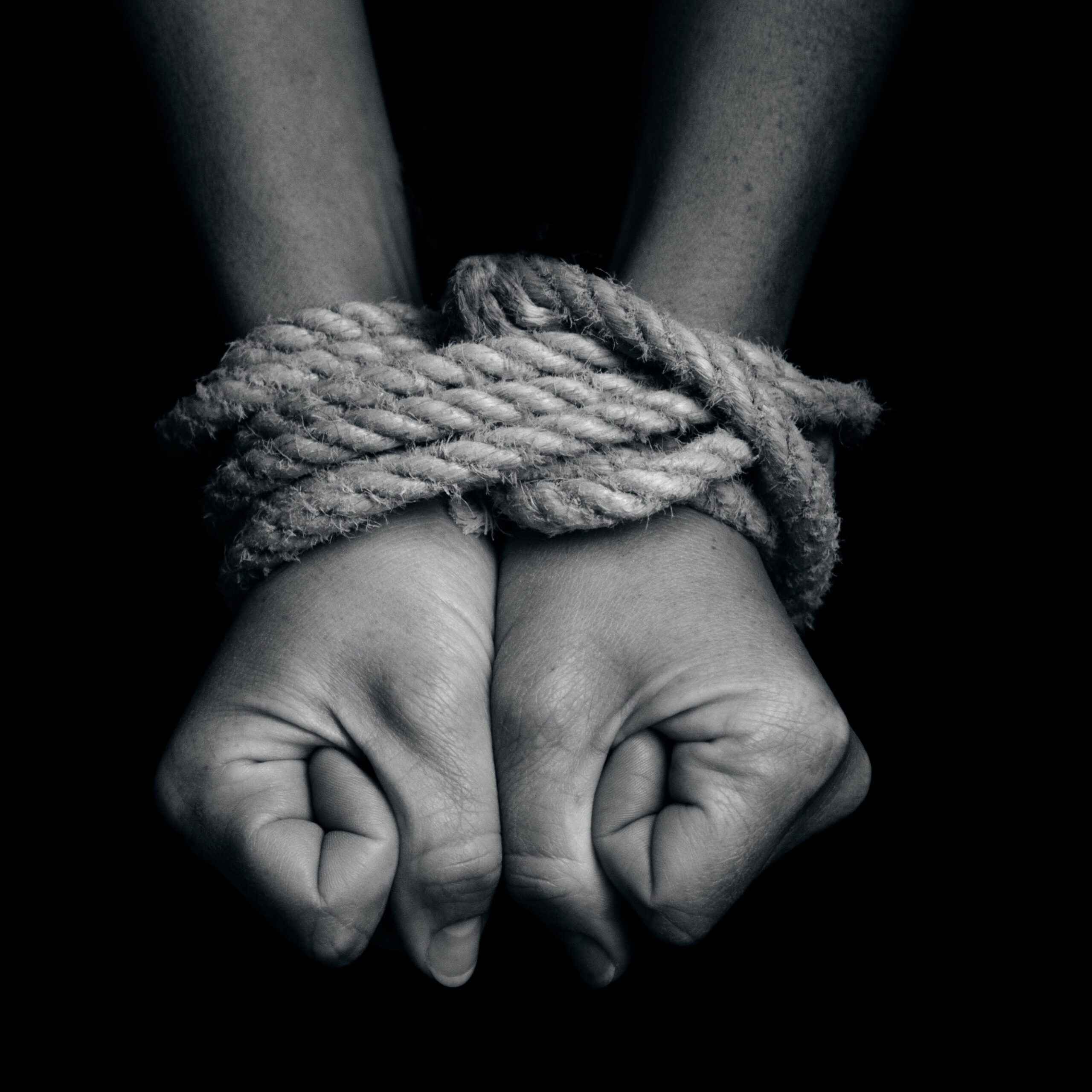
When news breaks of a successful interception by the National Agency for the Prohibition of Trafficking in Persons (NAPTIP), public reaction follows a predictable script of relief, praise for law enforcement, and a quiet assumption that the nightmare is over.
But for those brought out of exploitation, rescue is not the end of the story, it is only the start of a quiet, exhausting fight to rebuild a shattered mind.
Across Nigeria, advocacy groups are working hard to replace the label “victim” with “survivor.” Yet for thousands of girls and boys rescued from domestic servitude, forced labour, and cross-border trafficking, physical rescue is just step one. The real battle lies in overcoming deep psychological trauma.
Nigeria’s legal framework, anchored by the Violence Against Persons (Prohibition) Act and NAPTIP’s mandate, has made real progress in tracking down traffickers and prosecuting them. Yet our national policy stops halfway. We have built a system designed to catch criminals, while leaving the shelters and mental health services meant to rebuild human lives underfunded and severely neglected.
Behind the statistics NAPTIP publishes every year lies personal stories of groomed trust, psychological abuse, and absolute control. Visit any state-run shelter in Nigeria, and you quickly realise how fragile our safety net actually is. NAPTIP and civil society groups do exceptional work with limited resources, but budget starvation has turned these facilities into temporary transit stops rather than spaces for real recovery.
In most cases, a survivor gets six to eight weeks in a shelter. They receive a basic health check, a few counseling sessions, and then a bus ticket back home, right back into the same impoverished communities that couldn’t protect them in the first place.
We call it a rescue, but without a steady income, safe housing, or community acceptance, it is really just a pause button. Returning home to severe social stigma and economic despair leaves survivors deeply vulnerable to being trafficked a second time.
Rescuing anyone from servitude without giving them the tools to heal their mind is a half-measure. Human trafficking relies on systematic psychological conditioning, coercion, identity stripping, debt bondage, and ritual oaths designed to break a person’s will. The resulting psychological injuries, complex Post Traumatic Stress Disorder (PTSD), clinical depression, and constant hypervigilance, cannot be cured with a few group counseling sessions or relief supplies.
Right now, NAPTIP shelters lack permanent, state-funded clinical psychologists and trauma specialists. Mental health care is treated as an optional extra, dependent on international donors or NGO partners, rather than a fundamental legal obligation.
This neglect also hurts law enforcement. When survivors do not receive proper trauma care, their ability to testify in court is severely compromised. Trauma damages memory, trust, and emotional stability making it harder for the state to secure convictions against trafficking syndicates.
If Nigeria wants to break this cycle, the Federal Government, the Ministry of Humanitarian Affairs, and the National Assembly must look beyond arrest numbers. Federal budget allocations for NAPTIP must include dedicated funding for shelter maintenance, facility expansion, and extended rehabilitation stays across all six geopolitical zones.
Mental health services should be built directly into NAPTIP’s daily operations, ensuring every shelter has access to trained clinical psychologists. At the same time, state governments must work with organisations to provide transitional housing, vocational training, and business grants so survivors can stand on their own feet. Finally, primary healthcare centres in rural areas must be trained in basic trauma-informed care so survivors can get ongoing support close to home.
Listening to survivors makes one thing abundantly clear, healing is not about forgetting what happened, but about reclaiming control over your own life. True recovery requires sustained, practical support not just a temporary roof over someone’s head after a raid.
Written by: Theresa Igata