
 Received opinion among Nigerians is that oil subsidy is an evil national adventure fraught with fraud. Most Nigerians believe it should be scrapped; that government should no longer pay any money to anybody to bridge the cost of importing and distributing fuel across the nation. From the days of Sanusi Lamido Sanusi as Governor of Central Bank of Nigeria (CBN) to the incumbent, Mr. Godwin Emefiele, the managers of the nation’s apex bank believe oil subsidy is a huge conduit for sucking the nation of scarce foreign exchange that should have been channeled to production of goods and services.
In simple terms, subsidy is the money the Federal Government pays out to importers of fuel who presumably import at higher price (including freight charges) and sell to end users at reduced cost. The balance or loss incurred by the importers is then paid to them by the government. In essence, it is meant to protect the consumers while helping the importers to stay in business.
There is no nation in the world that does not have any form of subsidy. In some countries, agriculture is heavily subsidized. Their government buys off goods from farmers, makes food affordable and available and keeps the farmers in business. So, subsidy in itself is not a bad policy especially when its intendment is to promote production. This is the difference: whereas other nations subsidise production, Nigeria subsidises consumption and an obscenely ostentatious lifestyle.
And this has been my argument against oil subsidy or any such money paid by government to money bags masquerading as entrepreneurs to import fuel. It is a colossal waste of scarce forex by the government. At the end, fuel is not imported into the country but the money is paid. Fuel-laden ships that managed to get into the Nigerian waters are diverted to neighbouring countries where the importers make more money. Sanusi once dramatised how the oil subsidy racket works. He said as CBN Governor, he had seen documents purporting that 15 ships berthed at the Nigerian waters in one day which is a monstrously unintelligent lie because no Nigerian port can take 15 ships in one day. But the documents say so, and with such documents, payments are calculated and paid out to the so-called importers.
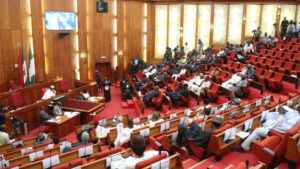
In 2011 when the whistle was blown on the subsidy scam, there were mind-blowing revelations unearthed by the National Assembly, particularly the House of Representatives. It was a confirmation of the Sanusi thesis that there was more fraud in the oil subsidy policy than meets the eye. Let’s recall a few of these amazing contraptions by the operators of the subsidy syndicate. It was observed that some claims of importation of petroleum products could not be verified as the depots into which the importers purportedly discharged the products could not confirm receipt.
In some instances, there were wide gaps between the dates the importer claimed to have discharged its products and the date a receipt was confirmed from the depot. Some claim to volumes discharged differed significantly from the volume received at depots. For example, a marketer claimed to have discharged a higher quantity in a particular depot than what the depot confirmed it received. The reverse was the case in some other instances where marketers claimed lower volume of discharge than what the depot acknowledged receiving.
Some marketers claimed to have discharged unspecified volumes of products at two to four different depots from one consignment.
Some refused and/or ignored to disclose the date they discharged their products or the Tank-Farms they discharged into. Some companies refused to disclose the names of the vessels that discharged the petroleum products purportedly imported by them. Some claims of importation of petroleum products could not be confirmed from NPA’s schedule of imports. Some companies imported DPK (kerosene) ostensibly under a supply arrangement with NNPC, but declared same as PMS (petrol) based on which they were paid subsidy.
Such were the criminal incongruities that attended the subsidy policy. The bottom line has always been that monies, big cash, were paid for non-existent products. And the beneficiaries of this fiscal prodigality are top government officials in the Presidency, ministries, NNPC, PPMC and the cartel of importers, some with no fixed address. And this is the context in which I support President Muhammadu Buhari’s decision to scrap fuel subsidy.
To quote Sanusi, “corruption thrives on the opportunity we create for people to be corrupt”. The way the subsidy in the oil and gas sector is operated has only created opportunity for rent-seeking. It is not real subsidy. In 2011, according to Sanusi, $16.2 billion was paid out to importers part (50 percent) as subsidy and the remaining 50 percent sold to them in foreign exchange yet the consumers did not buy fuel at N97 per litre in most parts of the country.
In effect, subsidy has been manipulated to benefit just a few at the expense of the most. Such policy should not be allowed to fester for a day longer. Let’s not live in delusion: removal of subsidy will at the early stage push up the price of fuel. It will surely come with much pain, but in that much pain is much gain. The initial market reaction would be a spiral of prices of virtually everything. But this will only manifest at the early stage. With time, the pain will ease to gain.
In the long run, private sector players will invest in the sector; they will build refineries and engage actively in the value chain. The reason some private investors are still hedgy about investing in Nigeria oil and gas sector is that government still exerts control on the sector. The Buhari statement that his government would kill subsidy in the New Year is both reassuring and encouraging. He should action it. This country does not need a policy that robs the people of their money and their joy. Take away subsidy with all its leakages and weaknesses, and Nigerians would be the better for it. And the perfect time to do so is now. Let’s endure the pain of today for the gain of tomorrow. Away with this subsidy.
Author: KEN UGBECHIE…First published in Sun newspapers on Sunday, January 3, 2016