Jan. 6, 2022
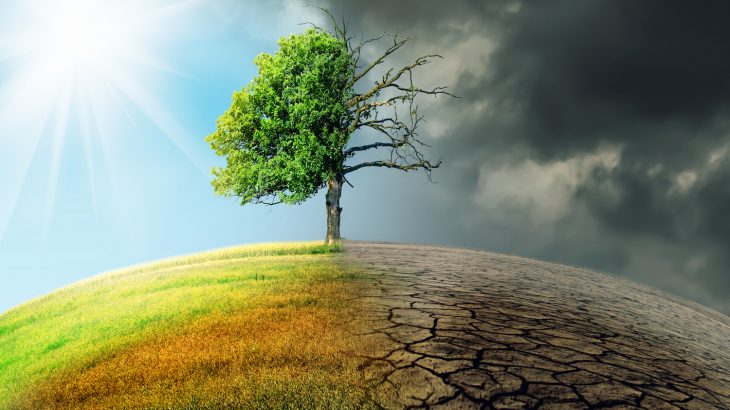
The trio of environmental degradation, greenhouse gas emissions, and overexploitation of natural resources due to human activities is causing severe climate changes which, if not immediately addressed, will be catastrophic to the environment.
Individuals and organizations have been taking action to help reduce the emissions that cause climate change by embracing sustainable practices. People reduce their energy consumption, make better consumption choices, recycle, take public transportation, family planning, etc.
However, despite these pockets of climate actions by individuals and organizations, a bulk of the work still lies on governments because their large-scale actions are fundamental to climate change mitigation and resilience.
At the COP21, global leaders met to discuss actions that can be taken to help prevent, and be better prepared for climate change. It’s the beginning of the year 2022 and beyond COP21, it is only right that governments focus on large-scale measures that are vital to ensuring a better future for the planet and everyone in it by means of enacting and implementing climate-centered policies and regulations.
What then can governments do in their respective countries and communities to effectively combat climate change beyond promises?
Prioritizing adaptation
Mitigation, no doubt, is important in the fight against climate change. However, adaptation is crucial because climate change is already a grave reality for many communities as they are already experiencing the harsh consequences of climate change.
It, therefore, becomes important for governments to act fast so that they can reduce vulnerability, increase resilience, and prevent disasters. Adaptation programs aimed at providing relief for vulnerable communities and putting structures in place to lessen casualties as well as providing healthcare services during climate disasters should be at the forefront of governmental actions.
At the COP21, there were discussions about the “loss and damage” mechanism aimed at compensating developing countries as climate change, which is making them suffer significant losses, is mainly caused by developed countries. This is a good start if developed countries are looking for ways to contribute their quota in the climate conversation.
Protecting and restoring important ecosystems
Protecting ecosystems is crucial to fighting against climate change because of the role these ecosystems play in protecting the planet.
Forests, wetlands, oceans, mangroves, etc., absorb large quantities of carbon emissions that would ordinarily warm up the climate if they were to find their way into the atmosphere.
Also, seeing as extreme weather events like storms and floods are compounded by climate change, these ecosystems mitigate these events. For example, mangroves serve as barriers against tropical storms while wetlands absorb excess water from floods.
When governments enact and execute laws that are pro-conservation and restoration, they are taking the most feasible, realistic, and fair option to heal the natural system which in turn, would benefit humanity and all species.
Pushing for large-scale clean energy adoption
Energy production contributes to about 35% of global emissions. The good thing is that technological development has provided options for cheaper and more efficient energy sources – wind, solar, geothermal, oceanic, etc.
The production of clean energy should be incentivized so that it can go mainstream. Governments can also subsidize so that it can become cheaper for consumers to purchase.
Supporting local agricultural producers
The agriculture sector is one of the major culprits when it comes to greenhouse gas emissions.
For one, the meat industry is responsible for about 15% – 18% of all greenhouse gas emissions. Secondly, deforestation as a result of creating habitat and food for livestock leads to land and soil degradation and carbon emissions. Thirdly, it is the most significant source of water use and contamination globally.
By supporting local producers, governments can meet their climate and emissions targets because local agricultural producers employ sustainable practices and benefit nearby communities, unlike large factory farms. Governments can formulate and implement agricultural support policies and also invest in the tools and infrastructure that will help the farmers grow.
Courtesy: Climateaction.africa