Skip to content
August 6, 2026
  • Home
  • About us
  • Contact us
  • Newsletter
  • Privacy Policy
Political Economist

Political Economist

A liberal News reporting Politics, Sports, Business, Commentaries

  • Home
  • National News
    • Metro News
      • metro
    • Society
    • Crime and Justice
  • Special Reports
    • Investigation
    • Features
    • Interviews
  • Opinion
    • Commentaries
    • Perspectives
  • Press Releases
  • International News
  • Business & Economy
  • Politics
Watch Online
  • Home
  • Business & Economy
  • Fintech’s role in driving clean energy adoption in Africa
  • Business & Economy

Fintech’s role in driving clean energy adoption in Africa

Admin November 23, 2021
growth

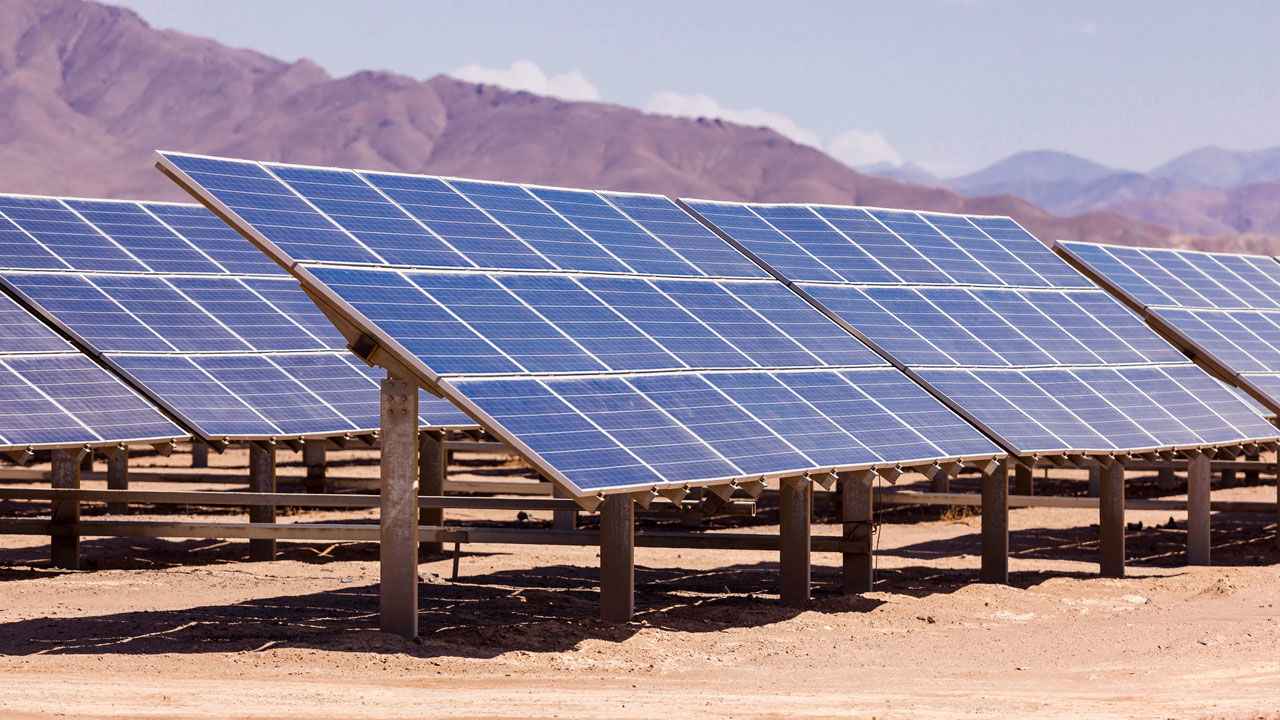
Solar Panels in Atacama Desert, Chile

Nov. 23, 2021

Over the past couple of years, Africa has become highly invested in reducing carbon footprints as well as mitigating risks associated with climate change. This has led to the adoption of clean energy.

Since a good number of people in Africa still live without electricity and therefore have to resort to using candles, oil lamps, generator sets, or burning woods, the rapid deployment of solar home systems and mini-grids has improved the health, quality of life, and economic growth of Africans. This has been largely facilitated by companies with clean energy solutions.

However, these clean energy solutions providers have to efficiently collect payments from consumers – some of who are either low-income earners or live in rural areas. This is where fintech companies come in.

Fintech companies help them achieve this efficiency by giving them the infrastructure and developing clean energy power models thereby making energy easily accessible and affordable for rural communities while enabling financial inclusion.

Just like agent banking which has extended financial services to rural areas, thanks to portable point-of-sale (POS) machines that perform many banking functions, fintech energy providers are leveraging on the success of the model and have started adapting agent networks to help providers of solar home systems reach more customers.

They facilitate the provision of off-grid solar and mini-grid solutions to Africans especially those in rural areas who do not have access to clean energy. This has greatly driven the adoption of renewable energy via the facilitation of energy solutions across the continent.

With the help of technologies such as blockchain, advanced data analytics, or artificial intelligence, fintech is also helping these companies to evaluate and reduce their environmental impact as well as helping investors to channel their operations towards more sustainable assets.

Some fintech solutions firms also drive energy access via decentralized finance (DeFi) crowdfunding platform which enables investors to provide microloans that support the deployment of clean energy.

In addition, there are also cryptocurrency platforms created to reward solar energy producers and serve as incentives to those considering installing solar panels. This means solar energy producers get crypto rewards when they show the meter readings of their energy production.

The promotion of low-cost solar energy use in rural areas by fintech through their infrastructure is not only enabling financial inclusion but also creating a world of inclusion in the clean energy sector for these communities.

Coutesy: climateaction.africa

  • Facebook
  • Share on X
  • LinkedIn
  • WhatsApp
  • Email
  • Copy Link
Tags: DeFi POS

Post navigation

Previous CBN retains MPR at 11.5%, other parameters remain constant
Next Beware! NCC alerts public on scammers Davido ‘AIRTIME AND DATA GIVEAWAY’ advertorial

Related Stories

Dangote has ‘strong intent’ for South Africa listing after Nigeria IPO – JSE Aliko Dangote
  • Business & Economy

Dangote has ‘strong intent’ for South Africa listing after Nigeria IPO – JSE

August 5, 2026
Economic Summit: Brazil, Malaysia, US investors pledge to invest in Delta state
  • Business & Economy

Economic Summit: Brazil, Malaysia, US investors pledge to invest in Delta state

August 5, 2026
Nigeria’s domestic economy expanded by 3.87% in 2025 – CBN
  • Business & Economy

Nigeria’s domestic economy expanded by 3.87% in 2025 – CBN

August 5, 2026
logo

Political Economist is a liberal news magazine with global affiliations.

At Political Economist, we promote free enterprise and act as a catalyst for the growth of knowledge economy. We are proudly pan-Nigeria yet richly spiced with African and global news. We offer a fair and balanced news reportage presented by our team of well-heeled professional journalists. <

About us

  • 5 Olutosin Ajayi Street, By CPM Church, Ajao Estate, Lagos State, Nigeria
  • +234 805 680 1124
  • info@politicaleconomistng.com

Follow

Subscribe to notifications

You may have missed

Strong El Niño could push 49 million more people into acute hunger, UN agency says WFP
  • International News

Strong El Niño could push 49 million more people into acute hunger, UN agency says

August 5, 2026
Dangote has ‘strong intent’ for South Africa listing after Nigeria IPO – JSE Aliko Dangote
  • Business & Economy

Dangote has ‘strong intent’ for South Africa listing after Nigeria IPO – JSE

August 5, 2026
LAWMA crackdown: Yaba traders plead for reopening of sealed shops managing director
  • National News

LAWMA crackdown: Yaba traders plead for reopening of sealed shops

August 5, 2026
NANS issues 72-hour ultimatum to Ogun Govt. over abducted students june 12
  • National News

NANS issues 72-hour ultimatum to Ogun Govt. over abducted students

August 5, 2026
  • Home
  • About us
  • Contact us
  • Newsletter
  • Privacy Policy
Copyright © All rights reserved. | DarkNews by AF themes.