Skip to content
July 19, 2026
  • Home
  • About us
  • Contact us
  • Newsletter
  • Privacy Policy
Political Economist

Political Economist

A liberal News reporting Politics, Sports, Business, Commentaries

  • Home
  • National News
    • Metro News
      • metro
    • Society
    • Crime and Justice
  • Special Reports
    • Investigation
    • Features
    • Interviews
  • Opinion
    • Commentaries
    • Perspectives
  • Press Releases
  • International News
  • Business & Economy
  • Politics
Watch Online
  • Home
  • Special Reports
  • There’s no climate justice without climate reparations
  • Special Reports

There’s no climate justice without climate reparations

Admin February 7, 2022
walker

Feb. 7, 2022

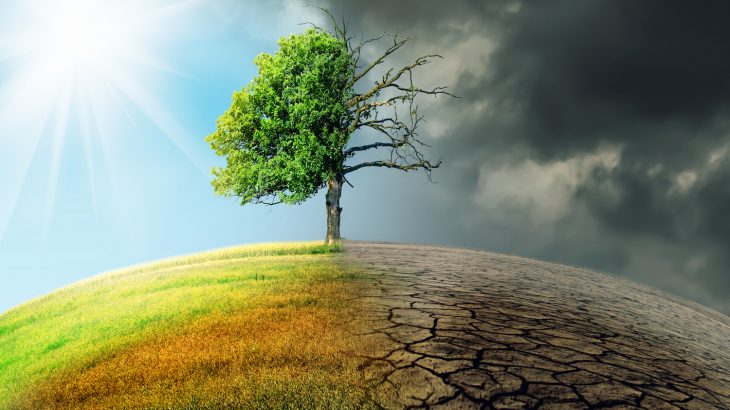
The world is facing an existential climate crisis that is threatening living species and ecosystems.

This crisis has brought about a lot of controversial issues that were tabled at COP 26, one of which was the question of what rich countries, who are mostly responsible for climate change, owe developing countries, who are suffering the worst of its consequences.

This question is especially important in the climate crisis conversation because climate change is not only a fundamental justice and ethical issue, but also constitutes a human rights challenge.

This is for the fact that climate change, apart from inhibiting efforts to promote conditions for people to thrive and secure their welfare via the execution of human rights, also disproportionately impacts poor and vulnerable people in both low-income and high-income countries.

These people, even though they have barely contributed to the problem, are subject to the worst impacts of climate change and have little or no resources and capacity to adapt to these impacts.

Drawing from the human rights principles of accountability and redress for human rights violations, the world needs to make amends and respond to this injustice through climate reparations.

Climate reparations simply refer to a call for the Global North (rich or developed countries) to pay the Global South (poor or developing countries) as a way of addressing the historical contributions that the former has made/is making toward climate change.

Climate reparations go beyond money (that would make it climate aid, right?). They ensure that the Global North acknowledges and is accountable for their role in the climate-induced destruction impacting the countries in the Global South.

These climate reparations can be in form of a massive increase in global climate funding through grants instead of loans or loan assistance.

In 2019, about 71% of climate finance was loan-based while as of the last quarter of 2021, the majority of climate finance that the Global North was giving the Global South was in form of loans.

This does not, in any way, favor the Global South because when they take these loans, they have to pay interest, and then the money keeps piling.

But when climate finance is grant-based, it would help these developing countries avoid a further plunge into global debt.

There are developing countries already indebted to these developed countries and these debts have nothing to do with the climate crisis.

The Global North should also consider debt cancellation as part of climate reparations and justice. These debts don’t have to be the ones accrued through climate finance.

Developing countries need to start taking climate reparation talks seriously. They need to be heard, they need justice. Beyond that, they need to be deliberate about framing.

Remember, climate reparations aren’t climate aid. It’s not the Global North doing them a favor. They deserve it.

Courtesy: Climateaction.africa

  • Facebook
  • Share on X
  • LinkedIn
  • WhatsApp
  • Email
  • Copy Link
Tags: COP26 Global North

Post navigation

Previous Between 2017 and 2019, National Birth Registrations stood at 18.46 million -NBS
Next Dumping plastic in waterways is ‘criminal’, pope says in TV interview

Related Stories

Regulating the Crypto Frontier: Inside Tinubu’s 2026 Executive Order on Virtual Assets
  • Special Reports

Regulating the Crypto Frontier: Inside Tinubu’s 2026 Executive Order on Virtual Assets

July 17, 2026
DRIVING GRASSROOTS GOVERNANCE WITH PUBLIC-PRIVATE PARTNERSHIP: The Gains, the Pains, the Prospects, by Hon. Sunday Dare
  • Special Reports

DRIVING GRASSROOTS GOVERNANCE WITH PUBLIC-PRIVATE PARTNERSHIP: The Gains, the Pains, the Prospects, by Hon. Sunday Dare

July 15, 2026
The Frontline War on Nigeria’s ‘Blood Minerals’: Inside the Crackdown in Osun State
  • Special Reports

The Frontline War on Nigeria’s ‘Blood Minerals’: Inside the Crackdown in Osun State

July 13, 2026
logo

Political Economist is a liberal news magazine with global affiliations.

At Political Economist, we promote free enterprise and act as a catalyst for the growth of knowledge economy. We are proudly pan-Nigeria yet richly spiced with African and global news. We offer a fair and balanced news reportage presented by our team of well-heeled professional journalists. <

About us

  • 5 Olutosin Ajayi Street, By CPM Church, Ajao Estate, Lagos State, Nigeria
  • +234 805 680 1124
  • info@politicaleconomistng.com

Follow

Subscribe to notifications

You may have missed

She wins: Badejo-Okusanya elected 33rd NBA President
  • Crime and Justice

She wins: Badejo-Okusanya elected 33rd NBA President

July 19, 2026
Peter Obi: Integrity as currency of an unusual politician, by Ken Ugbechie
  • Perspectives

Peter Obi: Integrity as currency of an unusual politician, by Ken Ugbechie

July 19, 2026
England get World Cup bronze in 10-goal thriller against France; best performance in 60 years
  • Sports

England get World Cup bronze in 10-goal thriller against France; best performance in 60 years

July 19, 2026
2027 and Nigeria’s zig-zag politics, by Sulaiman Aledeh
  • Perspectives

2027 and Nigeria’s zig-zag politics, by Sulaiman Aledeh

July 19, 2026
  • Home
  • About us
  • Contact us
  • Newsletter
  • Privacy Policy
Copyright © All rights reserved. | DarkNews by AF themes.