
Dr. Dele Alake
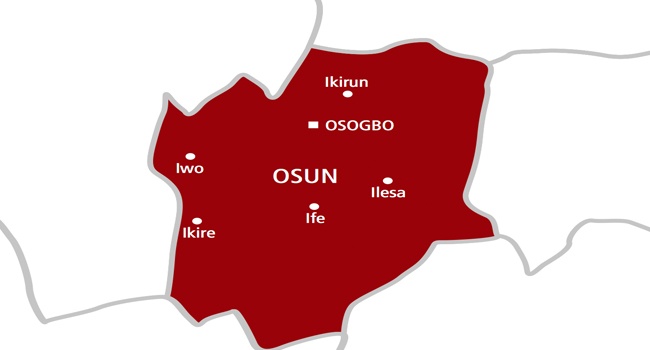 Near the busy Ile-Ife/Ilesa Road in Osun State lies the quiet community of Ileki-Ijesa.
For months, its thick woods were filled with the sounds of illegal mining, the constant thud of hand tools and the low hum of unauthorized excavators.
This hidden camp operated as a thriving shadow economy, right out of sight.
But on Sunday, everything was abruptly cut short.
Government officials and heavily armed security forces launched a swift, coordinated raid on the makeshift mining camps.
Led by the Southwest Zonal Mines Officer, Mr. Ajibade Ganiyu, the team tore down the miners’ bases and seized their heavy equipment. By the end of the operation, two suspected illegal miners were marched away in handcuffs.
It was a tactical victory in a much larger, increasingly aggressive war. For years, Nigeria’s vast mineral wealth has been bleeding out through illicit backchannels.
Now, the federal government is shifting from defensive regulation to active combat.
The Architecture of the Crackdown
The Osun raid is not an isolated incident; it is a single chess move in a sweeping national strategy orchestrated by the Minister of Solid Minerals Development, Dr. Dele Alake.
Under the directive of President Bola Tinubu, the ministry has traded bureaucratic warnings for boots on the ground.
The spearhead of this new approach are the Mining Marshals, a dedicated enforcement unit designed to reclaim Nigeria’s rich topography from economic saboteurs.
The strategy relies on a four-pronged assault:
-
Aggressive Enforcement: Rapid-response raids to shut down active illicit sites.
-
Intelligence Gathering: Penetrating the secretive networks that finance these operations.
-
Regulatory Reform: Streamlining legal mining to make transparency more lucrative than smuggling.
-
Community Engagement: Turning locals from passive bystanders into frontline lookouts.
The numbers suggest the net is tightening. According to Alake in a statement, the Mining Marshals have already arrested more than 300 illegal miners and put over 150 suspects on trial, including several high-profile foreign nationals who orchestrate these rings from the shadows.
More Than Just Dirt: The True Cost of Illegal Mining
To the untrained eye, an artisanal mining camp looks like a chaotic cluster of trenches and desperate laborers. To policymakers, it represents a multifaceted crisis.
“Illegal mining destroys the environment, fuels insecurity, deprives the nation of legitimate revenue and undermines the livelihoods of law-abiding miners,” Minister Alake warned following the Osun arrests.
The damage is threefold:
| Impact Category | Key Consequences |
| Environmental Degradation | Leftover open pits trigger severe soil erosion and toxic chemical runoff into local water sources. |
| Economic Drain | Billions of naira lost in uncollected royalties and taxes that could otherwise fund critical public infrastructure. |
| Security Risks | Illicit mining networks frequently fund local bandits, regional conflicts, and organised criminal cartels. |
Yet, as the ministry dismantles camps from Ogun to Oyo, officials acknowledge that government might alone cannot win this war. The ultimate victory lies in the hands of the hosts.
Alake has issued a stern appeal to traditional rulers, youth groups, and residents of mining communities to stop shielding these economic parasites.
The message from Abuja is loud, clear, and unyielding: the federal government is digging in for a long fight, and for illegal miners and their wealthy sponsors, there are no safe haven left.
Reporting by Theresa Igata