Electricity grid
Sept. 1, 2025
In August, Nigeria’s Federal Executive Council (FEC) approved two major initiatives from the Ministry of Power aimed at reforming the national grid and strengthening Nigeria’s electricity system.
The approvals cut across compensation for a major transmission project and the procurement of new high-capacity transformers.
On the surface, it may sound like “just another government announcement”, but these decisions could shape how power gets to your home, your office, and the factories that employ thousands of Nigerians.
Before we dive into the proposals themselves, let’s take a quick refresher on how Nigeria’s electricity system works today.
From NEPA to Now
Once upon a time, electricity generation and supply in Nigeria revolved around a government-owned monopoly popularly referred to as NEPA (National Electric Power Authority) created by Decree No. 24 of 1972.
That monopoly was restructured by the Federal Government in 2005 under the Power Sector Reform Act of 2005. With the new law, NEPA was replaced by the Power Holding Company of Nigeria (PHCN).
In November 2013, PHCN was further broken down into 18 separate companies: 11 Distribution Companies (DisCos) responsible for supplying electricity to consumers, 6 Generation Companies (GenCos) responsible for producing power, and 1 Transmission Company (TCN) that moves electricity from the GenCos to the DisCos through the national grid.
The primary regulatory body for the electricity sector in Nigeria is the Nigerian Electricity Regulatory Commission (NERC). It was established in 2005 and operated under the Electric Power Sector Reform Act (now Electricity Act 2023). NERC regulates tariffs, licensing, and market rules.
The continuous remodeling of the electricity sector in Nigeria has been in a bid to encourage efficiency. However, decades later, the country still grapples with unreliable power supply, frequent grid collapses, among other challenges. It is against this backdrop that the Ministry of Power made these proposals, which were approved by the FEC.
The Proposals
1. Compensation for the Lagos Industrial Transmission Project (LITP)
The first approval is for NGN13 billion as compensation for property owners and host communities along the route of the Lagos Industrial Transmission Project.
The Lagos Industrial Transmission Project is the construction of new transmission lines and substations dedicated to Lagos and Ogun State’s industrial clusters.
Considering that these transmission lines require large stretches of land and communities are often affected by the work done, the government seeks to properly compensate affected persons and communities before the work proceeds.
Without the said compensation, projects get stuck in disputes for years. This approval means that the government can clear those hurdles quickly and get the project moving. It also means that the affected communities and persons can have recourse for the loss of their lands, homes and other belongings in the course of the project.
If completed, the LITP will allow factories in Lagos and Ogun to receive more reliable grid power, reducing their dependence on costly diesel generators. This could translate to lower production costs and, hopefully, more affordable goods for Nigerians.
2. Procurement of High-capacity Transformers
The second proposal is for the purchase and installation of 14 new transformers of varying capacities, at a combined cost of about $34 million and ₦5.2 billion. These include:
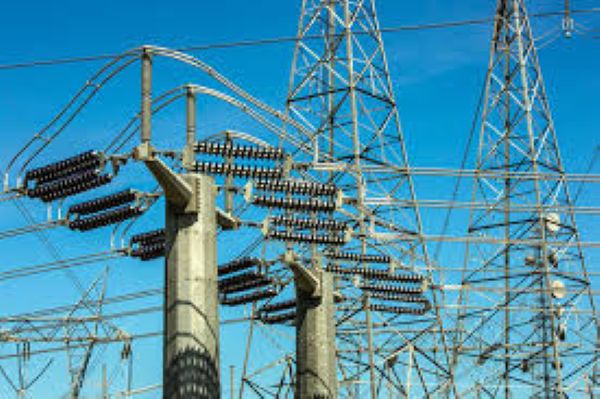
– 150MVA transformers (used at the highest 330kV transmission level),
– 100MVA and 60MVA transformers (for 132/33kV substations), and
– 30MVA units for smaller substations.
Why does this matter? Many of the transformers on Nigeria’s grid are decades old and overloaded. This is one of the key reasons for voltage fluctuations, frequent equipment failures, and grid collapses. New transformers will strengthen the grid, create room to absorb more power from GenCos, and improve voltage stability for homes and businesses.
For households, this may mean fewer sudden outages once the transformers are installed. For industries, especially in Lagos and Ogun, the dedicated transmission lines could significantly cut generator use and production costs. Over time, this has knock-on effects for jobs, exports, and the wider economy, if and only if, it is effectively implemented.
When Will Nigerians Feel the Impact?
Implementation in the power sector often takes time. Although compensation payments for the LITP may begin soon, the actual construction of the transmission lines and substations may take longer time.
For the transformers, the timeline is shorter but still not instant. Between procurement, shipping, installation, and testing, we should realistically expect to see results in perhaps a year’s time. In other words, some improvements could begin before the end of 2026, but the full benefits will take a couple of years to materialize.
These approvals are not a silver bullet that will end Nigeria’s electricity woes, but they are meaningful steps in the right direction. By addressing both the social and technical barriers that have slowed down grid expansion, the government is trying to lay a stronger foundation for reliable electricity.
If all goes well, the lights may not stay on all the time just yet, but they may flicker out less often.
Courtesy: Lawpadi