Dec. 25, 2021
If you’ve lived in Nigeria long enough, you would be familiar with this call. In high-pitched voices, street hawkers of sachet water, popularly called “pure water”, make the call to attract potential buyers.
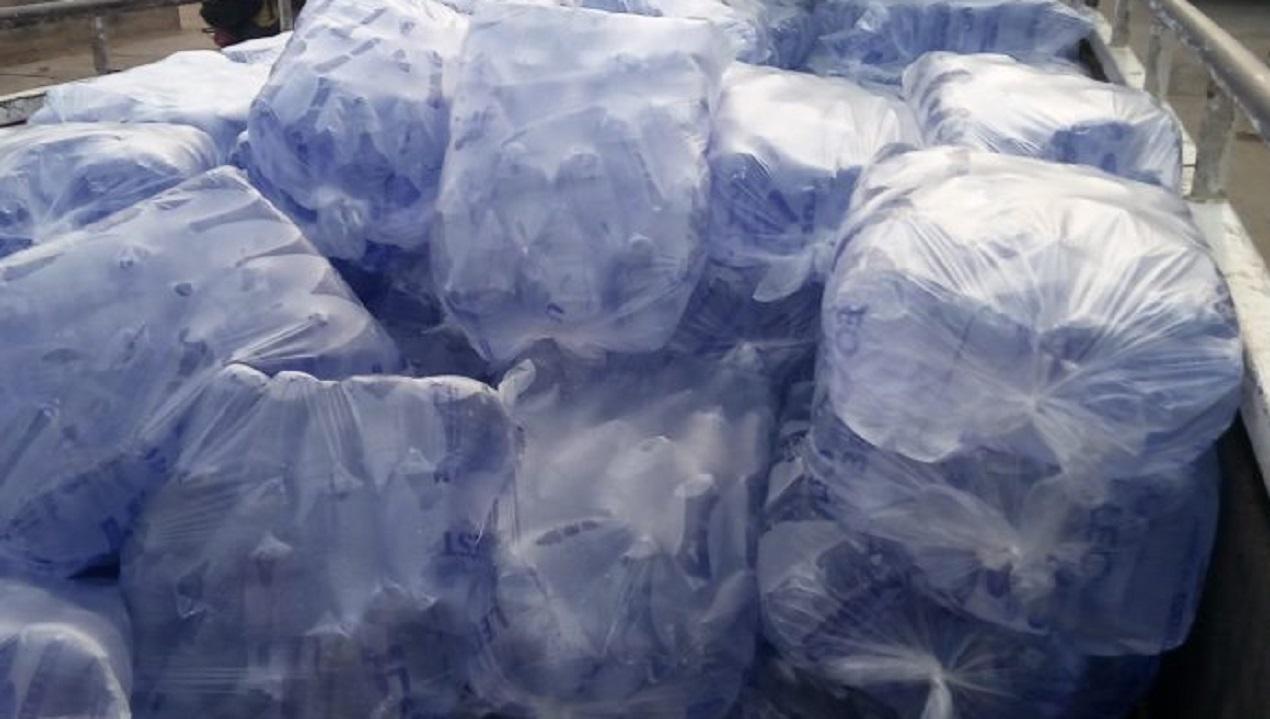
Sachet water is literally everywhere in Nigeria. If it’s not being hawked, you’ll either see it being sold in units in coolers on the side of streets or in wholesale bags in roadside shops. Even households have taken a preference to it as trucks loaded with bags of sachet water are common sights at their gates.
My Aunt had even joked at a family gathering a week ago that sachet water had become so popular that it deserved a monument in its honor.
We all laughed at the jest but then, something struck me. In all of the conversations that Nigerians are having about plastic waste and how plastic pollution causes health risks and environmental problems, the production of sachet water continues to grow.
History and rise
The inability for people to access good drinking water in Nigeria is linked to the birth and rise of the sachet water industry.
For some time up until the mid-’90s, small portions of water (called ice water) were tied in transparent white nylons and commercially sold. However, things took another dimension at the tail end of the ’90s as innovations made the sealing of water possible.
The fact that the cost of production was relatively cheap and people could cheaply access good drinking water, made sachet water the go-to option for people. A supply chain grew as individuals and companies began packaging and distributing water, leading to a booming industry.
Sachet water soon became the go-to source of clean drinking water especially for the poor since it was cheaper than bottled water.
The environmental implications
No doubt, the rise of sachet water in Nigeria has created a huge economy, a black market of sorts. However, with this economic gain comes a great environmental loss.
According to research, people consume over 60 million sachet water bags daily in Nigeria. As demand grows, so also does plastic pollution generated from sachet water packaging.
For one, due to the popular social practice in Nigeria of indiscriminately dumping waste in drainage systems during rainfalls, on the roadside, and under bridges, these sachets lead to blockage and flooding. Some find their way into streams and oceans, causing great harm to aquatic life.
Secondly, it takes an estimated 30 to 40 years for plastic to decompose which means those sachets will remain in landfills for a long period of time, causing the landfills to fill up quickly and reducing water infiltration into the soil thereby causing land degradation.
Way forward
Having established the popularity of sachet water and its consequent contribution to plastic pollution in Nigeria, it then becomes necessary to explore solutions that ensure a plastic-free country.
The Nigerian government can go with the recommendation made by a study to introduce a deposit-refund system aimed at discouraging the improper disposal of water sachets.
Also, in place of recycling sachets, biodegradable sachets should be explored as they are the best hope for an environmentally friendly sachet water product.
Furthermore, targeted programs on plastic pollution and improvement of people’s waste disposal behavior should be encouraged.
Finally, the government can force manufacturers to develop multiuse or refillable sachet water packaging. There could be an outright ban of single-use plastics or regulation through taxes and levies if they refuse to comply.
Courtesy: climateaction.africa