Medication errors kill 3m annually as Africa records 18.7% prevalence rate of substandard, counterfeit medicine, highest globally – WHO laments
 Admin
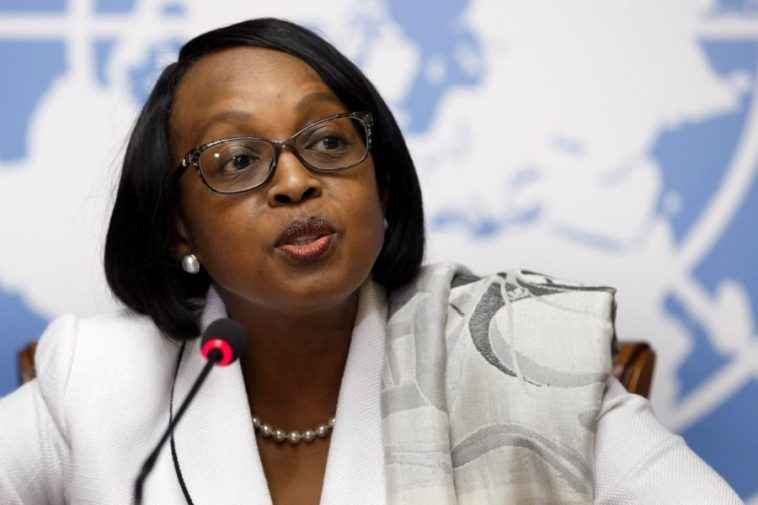
Matshidiso Moeti, WHO Africa Regional Director
September 17, 2022
The World Health Organisation (WHO) says medication errors contribute to over three million deaths globally on an annual basis.
Its Regional Director for Africa, Dr. Matshidiso Moeti, made the declaration in her message to mark the 2022 World Patient Safety Day.
The Day is observed annually on Sept. 17 to raise global awareness about patient safety and to call for solidarity and united action by all countries and international partners to reduce patients harm.
Moeti said the Days aims at raising awareness of the importance of people-centred care and preventing harm to patients.
She noted that medication errors were exacerbated by overwhelmed health systems during the COVID-19 pandemic.
According to her, about one in every four cases of preventable medication harm is clinically severe, or life-threatening.
“While there is limited data for the African continent, it is generally acknowledged that there is a high magnitude of unsafe medication practices,’’ she noted.
Moeti said that the Day was specifically designed to draw attention to the need to improve systems to support safe medication and address unsafe practices.
According to her, it focuses on three primary areas – high-risk situations, transitions of care and “polypharmacy’’, which is the use of multiple medicines at once.
“Poly pharmacies are particularly common amongst older people with chronic health diseases.
“Medication errors occur because of weaknesses in medication systems and are aggravated by shortages of well-trained health staff and poor working and environmental conditions for delivery of quality healthcare.
“Among low and medium-income countries, the African region has the highest prevalence of substandard and counterfeit medicines of about 18.7 per cent,’’ she said.
She decried the administration of surplus medication at home; the purchase of medication from pharmacies on the advice of friends and relatives rather than on prescription by trained professionals.
Moeti stressed that the use of old prescriptions to buy medication to treat current ailment is a common practice that should be stopped.
One study done in 2021 showed that as many as one in every three respondents admitted to self-medication to prevent COVID-19.
“This is unacceptably high because such unguided practices lead to dangerous consequences as a result of drug interactions.
“It also leads to incorrect administration, dosage or choice of treatment. Consequences include delays in treating diseases, dependence and abuse, disability, and even death,’’ she lamented.
Moeti noted that medication systems and human factors were major contributory factors to unsafe practices.
She noted also that many countries lacked the capacity to detect, evaluate and prevent medicine safety issues.
She said illiteracy, language difficulties, as well as socio-cultural and religious beliefs, also played roles in exacerbating medication errors.
“Based on current estimates, 42 billion dollars of total health expenditure worldwide could be averted if medication errors are addressed.
“Medication without harm aims to reduce severe avoidable medication-related harm by 50 per cent globally in the next five years,
“This will be done through focused activities and interventions targeting three areas – patients and the public; health care professionals and medicines and systems and medication practices,’’ she added.
Moeti said that WHO was working with member states to implement the Global Patient Safety Action Plan 2021 – 2030.
“A regional patient safety strategy and road map are currently being developed to guide its implementation.
“Strengthened regulatory systems serve to eliminate barriers which impede access to safe, effective and quality-assured medical products.
“WHO already developed tools to assist member states in benchmarking NRAs to identify strengths and implement plans to address weaknesses.
“Ghana, Nigeria and Tanzania have already attained Maturity Level 3, indicating their regulatory systems are functioning well, and integrating the requisite elements to guarantee stable performance.
“This reduces their vulnerability to substandard and falsified medical products,’’ she stressed.
Moeti said that 39 WHO member states had developed essential medicines lists linked to standard treatment guidelines.
According to her, 25 member states have also developed national medicine formularies that guide the selection of medicines for procurement, prescription and dispensing practices.
Moeti encouraged healthcare to take a more active role in ensuring safer medication practices, and medication-use processes. (NAN)