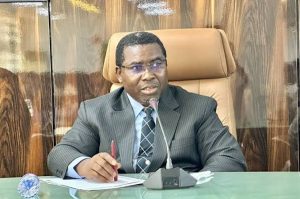
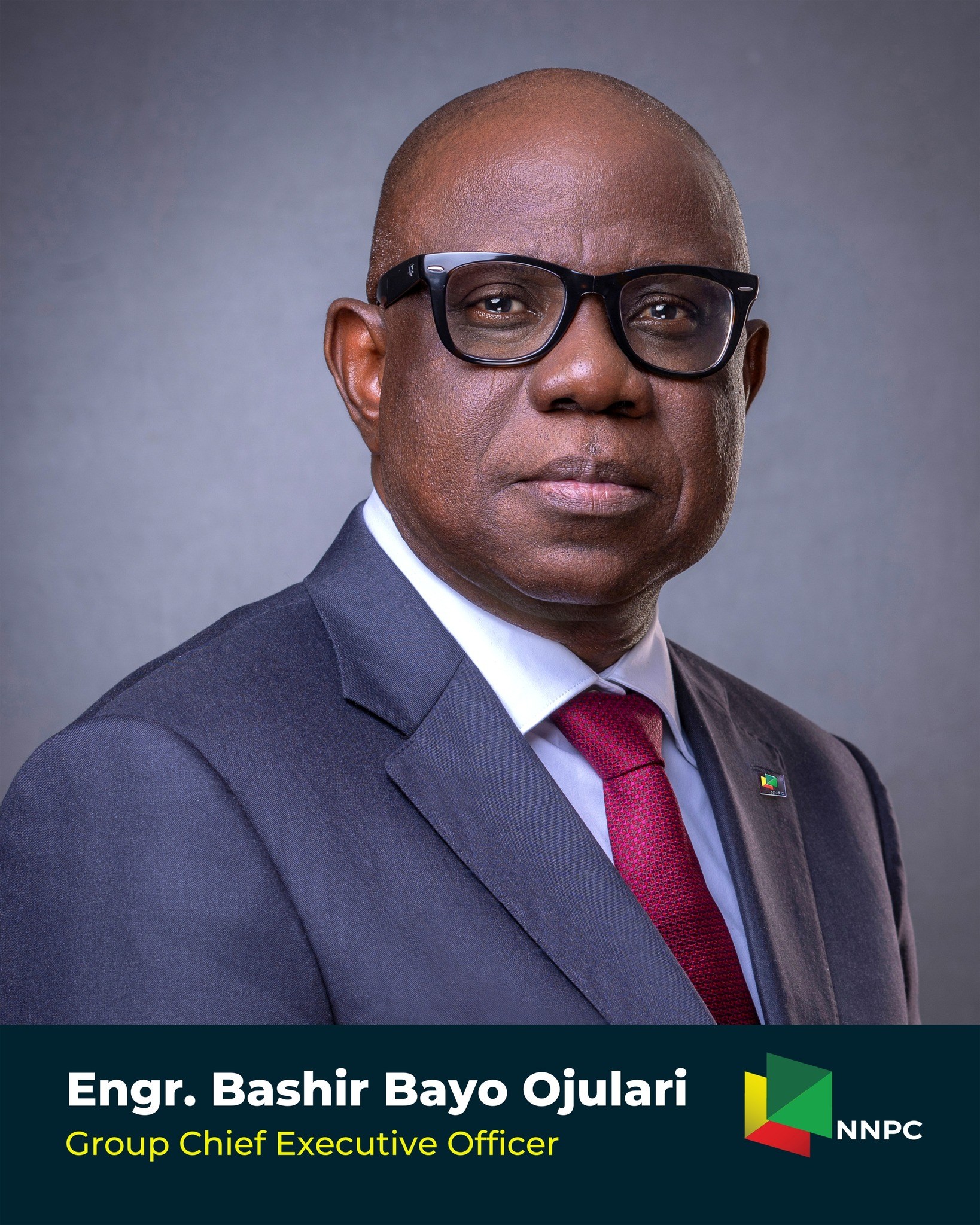
Bashir Bayo Ojulari GCEO NNPCL
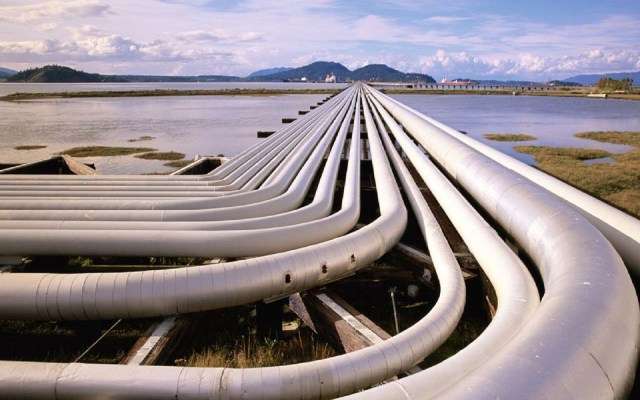
For decades, Nigeria’s vast natural gas reserves, estimated at over 200 trillion cubic feet have been viewed as a golden ticket to industrialisation. Yet, transforming that underground wealth into tangible domestic economic power has been a slow climb.
On Tuesday at the 25th Nigeria Oil and Gas (NOG) Energy Week in Abuja, the narrative took a historic leap forward.
The Nigerian National Petroleum Company Limited (NNPC Ltd.) put pen to paper, signing six strategic agreements with key industry partners. Described by NNPC Ltd. Group Chief Executive Officer, Mr. Bashir Ojulari, as a moment meant for “igniting the engine of Nigeria’s industrialisation,” these deals represent a multi-pronged assault on energy insecurity and industrial stagnation.
Mr. Ojulari noted that, gas is no longer being treated simply as an export commodity to generate quick revenue and profit. By plugging hundreds of millions of cubic feet of gas directly into local steel manufacturing, power generation, and cutting-edge floating LNG platforms, Nigeria is shifting its strategy. The goal is clear: stop burning or exporting raw potential, and start using gas as the ultimate catalyst for domestic economic transformation.
These six landmark agreements aim to transform the country’s economic architecture.
Breathing Life into a Sleeping Giant: The Ajaokuta Steel Revival
Perhaps the most symbolic and structurally critical aspect of the signing ceremony was the double-deal struck with Ajaokuta Steel Company Ltd. (ASCL). NNPC Ltd. signed both a Memorandum of Understanding (MoU) and a 20-year Gas Sale and Aggregation Agreement (GSAA) alongside partners NNPC Exploration and Production Ltd. (NEPL) and the Gas Aggregation Company of Nigeria (GACN).
The partnership tackles two national priorities at once:
Powering the Complex: The agreement locks in a steady baseline supply of 3 million standard cubic feet per day (MMscf/d) of gas, alongside 47 MMscf/d of interruptible gas, specifically dedicated to firing up the Ajaokuta steel complex.
Building Local Infrastructure: The MoU charts a course for ASCL to manufacture the specialized steel pipes required for massive, cross-continental infrastructure projects. These include the African Atlantic Gas Pipeline (AAGP) and Phase 3 of the Escravos-Lagos Pipeline System (ELPS).
By linking domestic gas to local steel production, Nigeria is attempting to create a self-sustaining industrial loop.
Fast-Tracking Offshore Innovation: The UTM Floating LNG Deal
In another major move, NNPC Ltd. and its Seplat Energy Producing Nigeria Unlimited (SEPNU) Joint Venture signed a 15-year Wet Gas Sale and Purchase Agreement with UTM FLNG Ltd.
| Agreement Type | Key Partners Involved | Expected Network Impact |
| Network Entry Agreements (NEnAs) | Chevron Nigeria Ltd., AGPC, NEPL | Migration of legacy systems to the official Network Code |
| Gas Sale & Aggregation (GSAA) | ASCL, NEPL, GACN | Direct injection of up to 800 MMscf/d into the domestic grid |
Under this pact, the joint venture will feed 200 MMscf/d of gas directly into the UTM Floating Liquefied Natural Gas (FLNG) project. This reliable supply is the missing puzzle piece needed to secure project financing, clearing the runway for a highly anticipated Final Investment Decision (FID) expected in the fourth quarter of 2026. This positions Nigeria to tap into cleaner offshore energy markets while building out domestic processing capabilities.
Streamlining the Grid: Injecting 800 MMscf/d into the Network
Energy security relies as much on efficient transportation as it does on extraction. To fix legacy bottleneck issues, NNPC Ltd. signed three Network Entry Agreements (NEnAs) with Chevron Nigeria Ltd., AGPC, and NEPL.
These agreements officially migrate older, legacy interconnection arrangements over to the formalized Nigerian Gas Transportation Network Code.
The Impact: This regulatory and technical realignment is projected to inject up to 800 MMscf/d of natural gas straight into the domestic transportation network.
For the average Nigerian and local business, this means a major boost in the reliability and volume of gas flowing to national power plants, commercial industrial clusters, and gas-based factories.
A Unified National Vision
The high-stakes nature of these agreements was reflected in the room’s roster of witnesses. The signing brought together the top tier of Nigeria’s energy leadership, including:
Minister of State for Petroleum Resources (Gas) Ekperikpe Ekpo and Minister of State for Petroleum Resources (Oil) Sen. Heineken Lokpobiri, Special Adviser to the President on Energy, Mrs. Olu Verheijen, NUPRC Commission Chief Executive Mrs. Oritsemeyiwa Eyesan and NMDPRA Authority Chief Executive Rabiu Umar.