High in the remote, roadless territories of the 10/40 Window, where maps grow faint and mobile signals disappear entirely, a quiet crisis plays out far from the public eye. It is not a story of reluctant workers or lack of vision, but of human endurance pushed past its limits.
For generations, thousands of frontline workers have ventured into off-grid communities to bring hope to Unengaged Unreached People Groups (UUPGs). Yet all too often, the greatest threat to their mission isn’t the treacherous terrain or hostile environment it is the overwhelming weight of isolation, unexpected medical bills, and financial hardship.
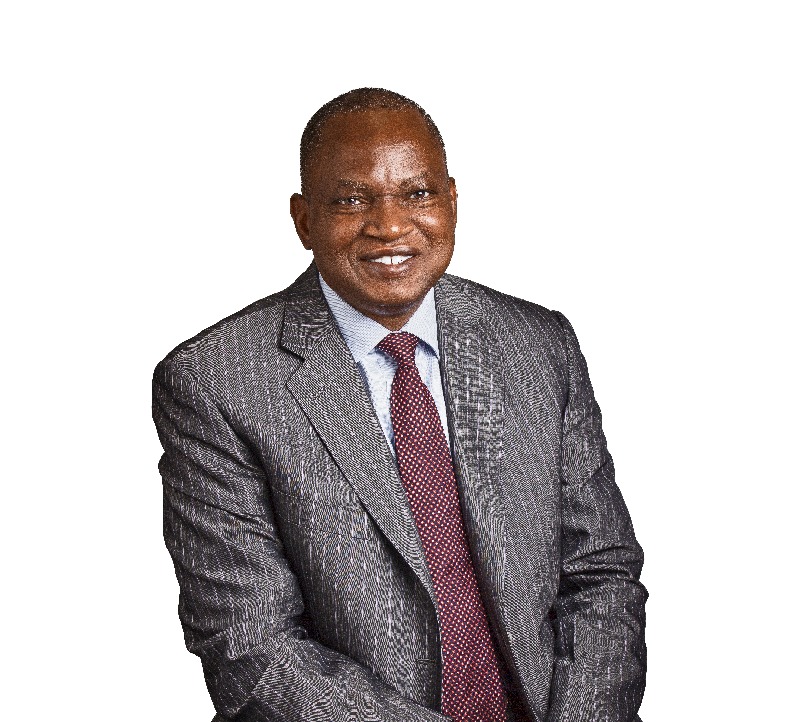
“Workers who do go often leave early, pushed out by unreliable funding, medical emergencies, and extreme isolation,” explains Prof. Jimmy Adegoke, an emeritus professor of geosciences from the United States and an international development consultant.
“When a family moves into a roadless, off-grid territory to serve an unreached community, their greatest risk isn’t just the terrain it’s being forgotten.”
A New Framework for Frontier Missions
To break this vicious cycle, a groundbreaking initiative is stepping into the gap.
On Saturday, November 7, the Last Mile Harvest Missions Foundation (LMHMF) will be formally inaugurated at the Foursquare Gospel Church in Asokoro, Abuja, marking the birth of a new, sustainable lifeline for frontier missionaries.
Moving Beyond One-Off Giving
Established in early 2026, LMHMF was born out of a clear realization: short-term grants and sporadic donations are simply not enough to sustain families living in hard-to-reach corners of the world.
Rather than treating field work as a series of isolated projects, the foundation directly targets the three most common pressures behind a missionary’s sudden departure: Financial instability, Health emergencies, The daunting cost of educating their children.
Through its comprehensive support pipeline, LMHMF is building a holistic safety net for frontline workers and their host communities:
Living and Healthcare Security: Reliable monthly allowances, full medical coverage, and children’s tuition funds.
Safety and Training Security: Training for high-risk regions, theological grounding, and cross-cultural tools.
Community- Centred Development: Solar-powered clean water boreholes, mobile health clinics, and adult literacy centres for local host villages.
Cutting-Edge Tools for Ancient Callings
In a unique blend of modern science and faith-based outreach, LMHMF is bringing high-tech strategy to field operations. Leveraging real-time research, ethnographic mapping, and Geographic Information System (GIS) tracking, the foundation aims to eliminate duplicated efforts, track field needs accurately and optimize overall strategy across regions.
This data-driven approach is backed by a robust governance framework. Guided by two independent Boards of Trustees one in North America and one in Nigeria LMHMF operates with total transparency across borders, complying with West African and international legal standards.
“It keeps administrative costs low and directs the bulk of its resources to field retention and church-planting milestones,” says Prof. Adegoke, who also serves as Chairman of the National Missions Council (NMC) of the African Christian Fellowship (ACF) USA.
A Call to the Global Diaspora
As the launch approaches, LMHMF is opening its doors to partners around the world, inviting diaspora networks, international foundations, and local churches to join hands in sponsoring frontier workers and sharing field intelligence.
By building lasting pipelines of funding, healthcare, and logistics, the Last Mile Harvest Missions Foundation isn’t just sending workers out it is ensuring that those who answer the call are never left to stand alone.
As Saturday’s ceremony approaches, LMHMF invites churches, global partners, and diaspora networks to support the mission. Led by Bishop Abioye, former Vice President of Living Faith Church Worldwide (Winners Chapel), the dedication marks a major push to ensure frontier workers in the most isolated regions are never forgotten.