Jan. 13, 2022
Africa’s total population would reach 2.5 billion by 2050, according to the forecast by Statista Research Department.
Meanwhile, the continent’s natural resources are being used at a rapid pace, mounting undue pressure on the already limited resources.
This has necessitated finding sustainable ways to produce and reproduce products, not only for the sake of economic sustainability (both in terms of resource efficiency and cost reduction) but also for the sake of the environment.
Since the bio-economy comprises the production of renewable bio-resources as well as their conversion into food, feed, biobased products, and bioenergy through innovative and efficient technologies, the exploration of beets and their potential to drive Arica’s circular economy via the production of primary raw materials in the most sustainable, efficient and productive way will be very essential for the continent’s agriculture sector and the overall economy.
The circular economy has the potential to tackle pressing challenges in a wide range of industries. We will be taking a look at beets and their circular economy potential in Africa’s agriculture sector – a sector facing rapid resources depletion due to human and environmental factors.
A bit about beets
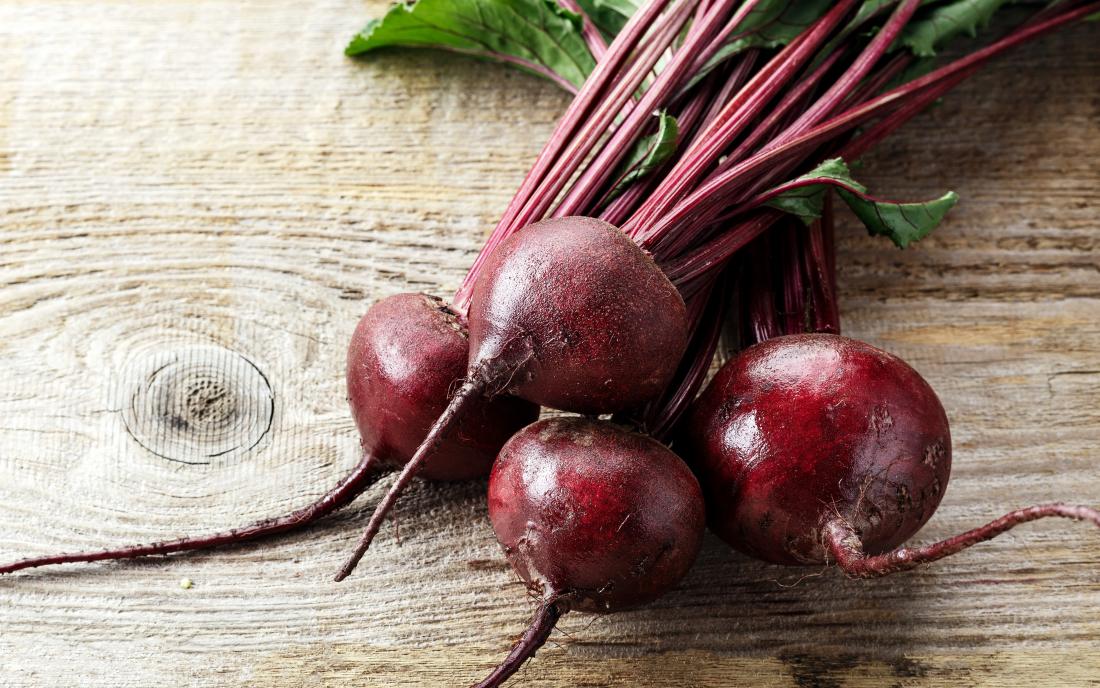
Beets (Beta vulgaris) are root vegetables with a leafy top poking out above the soil and a round bulb in the soil. They are similar in shape to radishes and turnips.
There are different types of beets but our focus will be on sugar beets which are not only cultivated as a source of sugar (second only to sugarcane as the major source of the world’s sugar) because of their high sucrose content but also serve as food for humans and produce other products like animal feed and other valuable chemicals.
In Africa, beet is grown mainly in South Africa and Kenya, and according to data from Knoema, Africa’s sugar beet production increased from 1.71 million tonnes in 1971 to 16.8 million tonnes in 2020 at an average annual growth rate of 5.77%.
Beyond sugar
Beet pulp
The extraction and processing of sugar from sugar beets results in tons of dry matter, one of which is beet pulp.
Beet pulp (whether in fresh or dry form) can be used as animal feed. This will help Africa in its quest to achieve sustainable livestock rearing.
Molasses
Molasses are syrup-like products that are extracted during the processing of sugar from sugar beet.
Molasses does not only have a sweet taste but also have a high energy content which makes them a highly suitable and effective energy feed and mineral feed supplement for feeds for all types of livestock.
Fermentation industries also use molasses as feedstock to produce high-value pharmaceuticals, ethanol, yeast, citric acid, and biobased chemicals.
Sugar factory lime
Sugar factory Lime (SFL) also contains nutrients like phosphates, magnesium, and nitrogen that enrich the soil.
Riding the wave
If Africa hopes to transition from a fossil-based economy to a renewable biobased economy, it needs to adopt the closed-loop system that the principles of the circular economy offer.
The beet sugar sector already applies the principles of the circular economy and waste reduction, anticipating and leading the way towards higher resource efficiency and waste elimination.
Western countries already see this value and are harnessing it. Countries like Italy, Hungary, and North-East Germany are already using beet pulp as feedstock to produce renewable energy like biogas.
All Africa needs to do is explore the options beets provide and apply them for its economy to thrive sustainably.
Courtesy: Climateaction.africa