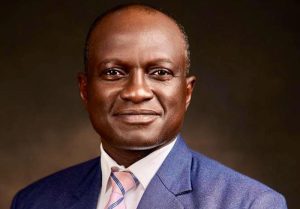

Dave Umahi
Dozens of workers handling Section 3B of the flagship Lagos-Calabar Coastal Highway project in Cross River State have downed tools in a strike over alleged salary slashes, poor working conditions, and workplace intimidation by expatriate managers.

The protest, which commenced on Monday at the construction company’s operational yard in Awi, Akamkpa Local Government Area, saw aggrieved workers demand immediate management reforms and the reinstatement of Mr. Asuquo Ukpayang as the Cross River Liaison Officer.
Military personnel were deployed to secure the facility as the strike entered its third day on Wednesday.
Protesting employees, however, maintained that their demonstration remains peaceful and aimed strictly at securing fair labor treatment.
Speaking on behalf of the striking workforce, Mr. Esikere Peter, a quality control and laboratory technician, accused management of arbitrarily reducing recorded working hours and omitting late-night shifts some lasting until 11:00 p.m, from official payrolls.
“We are demanding the removal of the project manager, the site manager, and the earth-moving supervisor, who have continuously treated workers unfairly.
We are not protesting to destroy property or cause violence. We just want Nigerian workers to be treated fairly and with dignity.” Esikere Peter, said.
Employees detailed a series of grievances spanning basic site amenities and management practices:
Inadequate Shelter and Sanitation: Field staff report working through extreme weather without cover. Female workers specifically highlighted the lack of dedicated restroom facilities, noting a stark contrast with expatriate staff quarters.
Intimidation & Arbitrary Dismissals: Workers alleged that site supervisors issued threats and penalisations when staff requested necessary construction materials.
Scrap Revenue Diversion: Site hands claimed management unilaterally began selling scrap materials whose proceeds were previously shared among workers.
Marginalisation of Local Representation: Staff alleged that expatriate managers deliberately sidelined Mr. Ukpayang in favor of a Community Liaison Officer they could easily influence.
Trailer driver Stephen Oke and earth-moving technician Ana Matthew both criticized the heavy-handed oversight, alleging that deployed military personnel were being used to intimidate workers rather than maintain simple site security.
Addressing the situation, Mr. Asuquo Ukpayang confirmed awareness of the workers’ grievances. He noted that the wife of the Cross River Governor, Mrs. Eyoanwan Otu, had previously engaged the firm’s leadership regarding labor conditions and equitable treatment.
Ukpayang appealed for calm and urged the workers to select representatives for structured dialogue, promising to engage senior company executives, the Federal Controller of Works, and the Minister of Works to resolve the impasse.
The striking workforce reiterated that they strongly support the landmark highway designed to link nine coastal states under President Bola Tinubu’s administration but insisted that Ukpayang remain their sole representative in any upcoming negotiations.
Efforts by reporters to obtain an official response from the construction firm were unsuccessful, as phone calls and written inquiries to company representatives went unanswered as of publication time. (NAN)