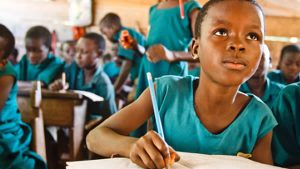
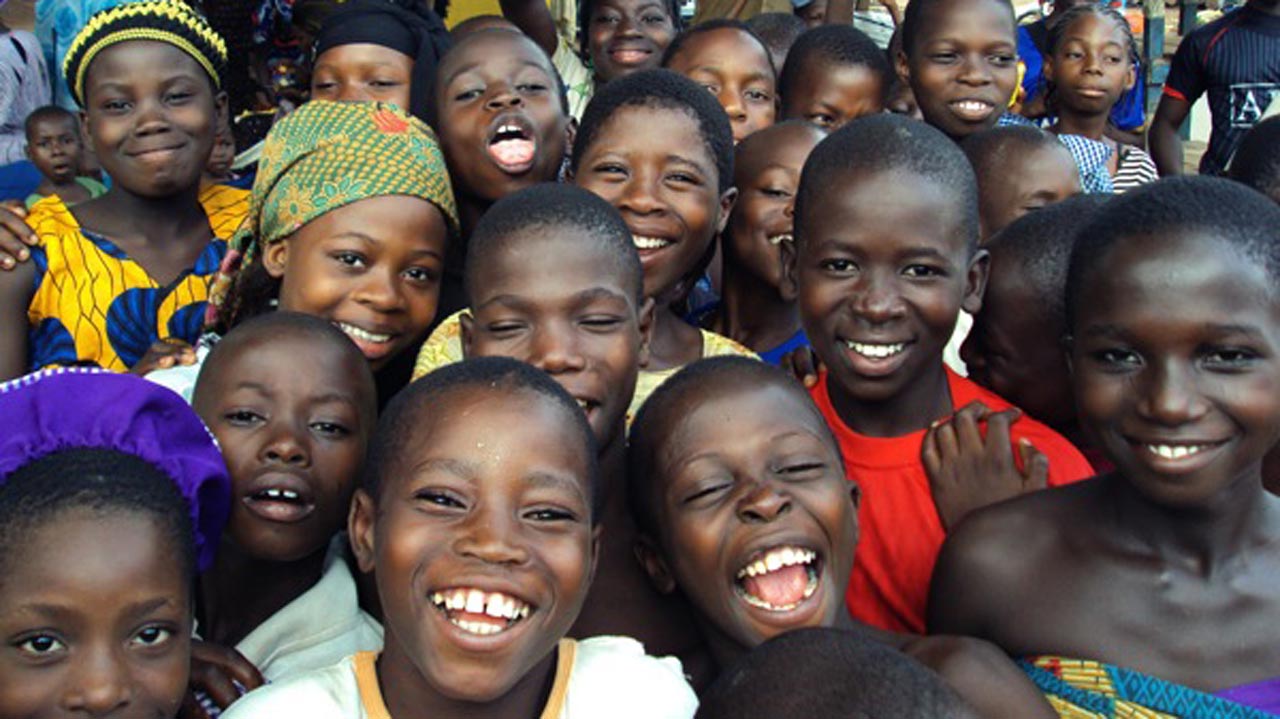
Nigerian children
Nov. 3, 2021
Every parent and lover of kids desire a secure environment in which to raise their children. They want a space where little ones can develop in good health and sound mind, mature into the future leaders they deserve to be, and not perish from preventable causes before reaching their prime.
However, the changing climate continues to create a chaotic environment, including intense droughts, environmental and air pollution, floods, and other events that cause people to be displaced, including children who may be separated from their families.
Approximately 1 billion children, nearly half the world’s 2.2 billion children affected by the negative impacts of climate change. In Africa, stats have it that around 490 million children in Sub-Saharan are affected by climate change.
Unfortunately, human activities are to blame for the fact that the earth may not be safe for children. These include the huge amount of fossil fuels we use, which emits tons of greenhouse gases, as well as unlawful waste dumping, expands landfills.
Things that make earth unsafe
Extreme weather events such as floods, droughts, and storms will have the greatest impact on the most vulnerable children and their families who live in places where climate change is more severe.
Food shortages, infections, and other health hazards, water scarcity due to increasing water levels, or a combination of these issues also affect children.
According to one report, climate change is causing malaria and dengue fever in children in the Democratic Republic of Congo. Increased extreme weather occurrences may worsen these new health hazards, which are already putting a strain on the public health system.
Even more, water scarcity, desertification, and droughts, as well as increases in child labor, underage marriages, and trafficking, may all contributes to the earth not being safe for children.
Climate-related disasters in the affected region also jeopardize children’s access to education, causing schools to close, increasing dropout rates. In extreme cases, some families may be forced to choose survival over educating their children.
This choice will only perpetuate the cycle of poverty given that education is considered a huge contributor to achieving socio-economic prosperity.
Girls are particularly vulnerable to sexual abuse, exploitation, and trafficking during and after climate-related disasters. Families experiencing economic difficulties as a result of environmental calamities, for example, may adopt child marriage as a coping method.
Underage married girls are more likely to face physical and sexual abuse, as well as inadequate nutrition and a higher risk of maternal neonatal death.
Is the earth still safe for children? These reports reveal that unless drastic measures are taken, the earth will not be a safe habitat for future generations of children.
Fixing the earth is a collective responsibility
You do not need to be a parent to take the necessary steps to ensure the safety of the planet. Having the right perspective about climate issues and willingness to adopt a sustainable and eco-friendly lifestyle can make a difference.
Reduce the use of fossil fuel generators, use less electricity by switching off lights during the day. The government is not left out, there should be a VAT reduction on solar panels to make them available.
How can we keep greenhouse gas emissions low enough for all children around the world and their offspring to live in a future free of climate disasters? Make informed decisions.
Stop illegal waste dumping, learn to recycle recyclable material, and remember that not everything should end up in the trash can.

Hold industries, firms, and businesses responsible for their significant contributions to climate change. Let such industries reduce their negative environmental impacts and go carbon neutral.
Donate to non-governmental organizations (NGOs) that assist safeguard children and caring for them so they can receive health care, attend school, and grow in a safe environment.
Remember as the COP26 takes place, plans and debates should focus on how we can make the earth a safer place for children because they are the future.
Courtesy: climateaction.africa