Skip to content
July 30, 2026
  • Home
  • About us
  • Contact us
  • Newsletter
  • Privacy Policy
Political Economist

Political Economist

A liberal News reporting Politics, Sports, Business, Commentaries

  • Home
  • National News
    • Metro News
      • metro
    • Society
    • Crime and Justice
  • Special Reports
    • Investigation
    • Features
    • Interviews
  • Opinion
    • Commentaries
    • Perspectives
  • Press Releases
  • International News
  • Business & Economy
  • Politics
Watch Online
  • Home
  • Special Reports
  • Cities: Could the world’s major emissions contributor be the solution for global warming?
  • Special Reports

Cities: Could the world’s major emissions contributor be the solution for global warming?

Admin April 7, 2022
walker

April 7, 2022

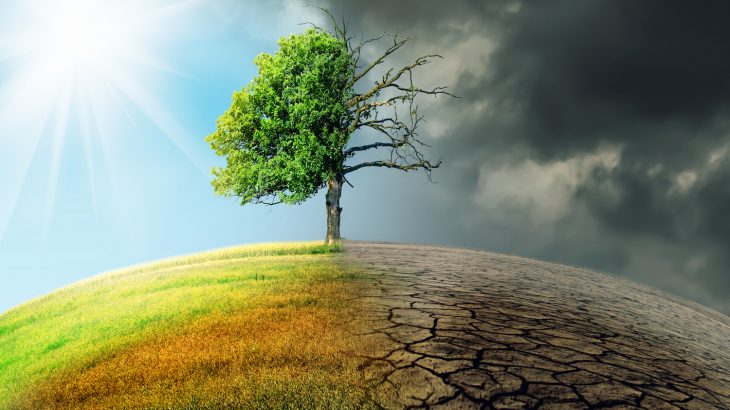
Cities all over the world are one of the biggest contributors to global warming. For one, they are responsible for about two-thirds of the world’s emissions as of today, according to a report by the Intergovernmental Panel on Climate Change.

In 2020, cities were responsible for about 72% of global greenhouse gas emissions, up from 62% in 2015.

Secondly, cities consume a greater part of the energy that the world produces as a result of the increasing population.

As the human population increases in number and size, so does energy consumption; hence, the need to transform urban areas into eco-friendly cities that are self-sufficient in terms of energy and sustainable living.

Considering the effects of climate change on the environment, building resilient cities is a step in the right direction as they can play a major role in addressing climate change in the near future. This must also go hand-in-hand with emissions reduction for urban areas to truly meet target and mitigate global warming.

In light of the above, U.N. scientists, in a report, have laid out ways for individuals, governments, and organizations to reduce emissions and curb climate change, and have also put down actions that city planners can follow.

These actions, as stated in the report, include improving energy efficiency in buildings, placing fees on highly polluting vehicles in city centres, outlawing diesel cars, designing streets to avoid traffic congestion, planting “green roofs“, and incorporating more parks and trees that help sequester carbon dioxide emissions and also help to cool cities.

According to the report, about 55% of the world’s population lived in cities in 2018, a figure expected to jump to 68% by 2050 – with Asian and African cities seeing the biggest increases. Planning for and encouraging population density is recommended to prevent rural and suburban sprawl, which is less energy efficient and destroys natural habitats.

For the world to have a chance of limiting global warming to within 1.5 degrees Celsius (2.7 degrees Fahrenheit) of pre-industrial levels, cities need to act fast – and financing would need to be boosted significantly. Also, climate-friendly urban policies would also improve public health by reducing air pollution, the report said.

Aggressive climate action could bring city emissions to net-zero by 2050. But failing to act could instead see urban emissions double in that time, the report said.

Courtesy: Climateaction.africa

  • Facebook
  • Share on X
  • LinkedIn
  • WhatsApp
  • Email
  • Copy Link
Tags: Emissions UN

Post navigation

Previous Kaduna governorship race: I’ll make it impossible for terrorists to operate in the state – Sen. Shehu Sani 
Next EFCC Docks Ex-Legislative Aide for N6.5m Fraud, Three Others Convicted of Cybercrime in Kwara

Related Stories

Regulating the Crypto Frontier: Inside Tinubu’s 2026 Executive Order on Virtual Assets
  • Special Reports

Regulating the Crypto Frontier: Inside Tinubu’s 2026 Executive Order on Virtual Assets

July 17, 2026
DRIVING GRASSROOTS GOVERNANCE WITH PUBLIC-PRIVATE PARTNERSHIP: The Gains, the Pains, the Prospects, by Hon. Sunday Dare
  • Special Reports

DRIVING GRASSROOTS GOVERNANCE WITH PUBLIC-PRIVATE PARTNERSHIP: The Gains, the Pains, the Prospects, by Hon. Sunday Dare

July 15, 2026
The Frontline War on Nigeria’s ‘Blood Minerals’: Inside the Crackdown in Osun State
  • Special Reports

The Frontline War on Nigeria’s ‘Blood Minerals’: Inside the Crackdown in Osun State

July 13, 2026
logo

Political Economist is a liberal news magazine with global affiliations.

At Political Economist, we promote free enterprise and act as a catalyst for the growth of knowledge economy. We are proudly pan-Nigeria yet richly spiced with African and global news. We offer a fair and balanced news reportage presented by our team of well-heeled professional journalists. <

About us

  • 5 Olutosin Ajayi Street, By CPM Church, Ajao Estate, Lagos State, Nigeria
  • +234 805 680 1124
  • info@politicaleconomistng.com

Follow

Subscribe to notifications

You may have missed

Oil jumps 7% on escalating Middle East airstrikes crude oil
  • Business & Economy

Oil jumps 7% on escalating Middle East airstrikes

July 29, 2026
Police arrests Osun SSG, 5 others over alleged vote buying Police
  • National News

Police arrests Osun SSG, 5 others over alleged vote buying

July 29, 2026
DSS arraigns man for allegedly raising funds for ISWAP, Boko Haram
  • National News

DSS arraigns man for allegedly raising funds for ISWAP, Boko Haram

July 29, 2026
Decongesting Prisons: Ebonyi Chief Judge Frees Four Inmates During Abakaliki Custodial Centre Jail Delivery pit
  • National News

Decongesting Prisons: Ebonyi Chief Judge Frees Four Inmates During Abakaliki Custodial Centre Jail Delivery

July 29, 2026
  • Home
  • About us
  • Contact us
  • Newsletter
  • Privacy Policy
Copyright © All rights reserved. | DarkNews by AF themes.