Skip to content
October 7, 2026
  • Home
  • About us
  • Contact us
  • Newsletter
  • Privacy Policy
Political Economist

Political Economist

A liberal News reporting Politics, Sports, Business, Commentaries

  • Home
  • National News
    • Metro News
      • metro
    • Society
    • Crime and Justice
  • Special Reports
    • Investigation
    • Features
    • Interviews
  • Opinion
    • Commentaries
    • Perspectives
  • Press Releases
  • International News
  • Business & Economy
  • Politics
Watch Online
  • Home
  • National News
  • AI Misuse: Runsewe warns against fake content, social media manipulation
  • National News

AI Misuse: Runsewe warns against fake content, social media manipulation

Fake AI images and voices are capable of tearing families apart, creating social tension, fuelling inter-religious and inter-ethnic strife and even discrediting and destabilising government,” Runsewe said.
Admin October 7, 2026

Runsewe said AI was not inherently harmful but could be exploited to misinform, disinform and spread fake narratives…

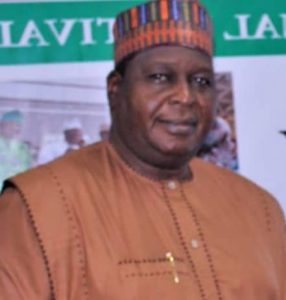
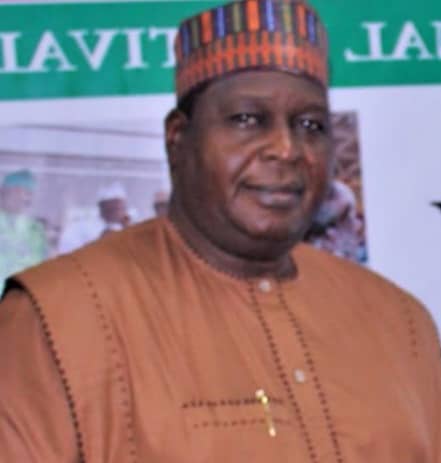
Otunba Olusegun Runsewe

Former Director-General of the National Council for Arts and Culture (NCAC), Otunba Olusegun Runsewe, has warned against the increasing misuse of Artificial Intelligence (AI) on social media.

Runsewe said AI was not inherently harmful but could be exploited to misinform, disinform and spread fake narratives, thereby posing threats to societal peace and stability.

He noted that AI was freely available and could enhance communication, research, content creation and solutions to difficult problems when used responsibly.
However, he said its unguided use could become a major liability to society, particularly through the creation and circulation of false images and fabricated content.
According to him, such content could cause serious damage to families, social institutions and government, while creating tension within society.
“Fake AI images and voices are capable of tearing families apart, creating social tension, fuelling inter-religious and inter-ethnic strife and even discrediting and destabilising government,” Runsewe said.

He advised Nigerians to be wary of information circulated on social media, stressing the need to fact-check such information before accepting or sharing it.
Runsewe cited widespread AI-generated voices and cloned images of prominent political figures and other members of society circulating online as examples of AI’s capacity to mislead.

He also decried the negative impact of AI on institutions of higher learning, particularly students’ increasing dependence on the technology for assignments and research.
According to him, excessive reliance on AI has promoted plagiarism, intellectual laziness, lack of originality and the production of graduates without adequate knowledge and skills.
As Nigeria prepares for the 2027 general election, Runsewe cautioned against AI-generated content deliberately designed to heat up the polity and create social tension.

He called on stakeholders in the electoral process to develop proactive and effective information dissemination strategies to counter fake narratives pushed into the public domain.
Runsewe also advocated greater use of conventional media to disseminate relevant and credible information promptly and prevent rumours, fake news and sensational reports.
“Members of the public should scrutinise every piece of information from social media and cross-check with relevant government agencies rather than swallowing it hook, line and sinker.
“Artificial Intelligence, an innovative technology in the global information and communication system, can be counterproductive in Nigeria if citizens consume social media information without proper scrutiny,” Runsewe said.
(NAN)

  • Facebook
  • Share on X
  • LinkedIn
  • WhatsApp
  • Email
  • Copy Link
Tags: Artificial Intelligence NCAC Otunba Olusegun Runsewe Social media

Post navigation

Previous FG releases eight months’ salary arrears to SSANU to avert imminent varsity strike

Related Stories

FG releases eight months’ salary arrears to SSANU to avert imminent varsity strike midnight
  • National News

FG releases eight months’ salary arrears to SSANU to avert imminent varsity strike

October 7, 2026
84% of Nigerians Ready to Vote in 2027 Despite Insecurity, Low INEC Trust — Yiaga Africa yiaga
  • National News

84% of Nigerians Ready to Vote in 2027 Despite Insecurity, Low INEC Trust — Yiaga Africa

October 7, 2026
EFCC re-arraigns 2 men over alleged £110,000, N500m fraud Scammers
  • National News

EFCC re-arraigns 2 men over alleged £110,000, N500m fraud

October 7, 2026
logo

Political Economist is a liberal news magazine with global affiliations.

At Political Economist, we promote free enterprise and act as a catalyst for the growth of knowledge economy. We are proudly pan-Nigeria yet richly spiced with African and global news. We offer a fair and balanced news reportage presented by our team of well-heeled professional journalists. <

About us

  • 5 Olutosin Ajayi Street, By CPM Church, Ajao Estate, Lagos State, Nigeria
  • +234 805 680 1124
  • info@politicaleconomistng.com

Follow

Subscribe to notifications

You may have missed

AI Misuse: Runsewe warns against fake content, social media manipulation
  • National News

AI Misuse: Runsewe warns against fake content, social media manipulation

October 7, 2026
FG releases eight months’ salary arrears to SSANU to avert imminent varsity strike midnight
  • National News

FG releases eight months’ salary arrears to SSANU to avert imminent varsity strike

October 7, 2026
84% of Nigerians Ready to Vote in 2027 Despite Insecurity, Low INEC Trust — Yiaga Africa yiaga
  • National News

84% of Nigerians Ready to Vote in 2027 Despite Insecurity, Low INEC Trust — Yiaga Africa

October 7, 2026
EFCC re-arraigns 2 men over alleged £110,000, N500m fraud Scammers
  • National News

EFCC re-arraigns 2 men over alleged £110,000, N500m fraud

October 7, 2026
  • Home
  • About us
  • Contact us
  • Newsletter
  • Privacy Policy
Copyright © All rights reserved. | DarkNews by AF themes.