Skip to content
August 18, 2026
  • Home
  • About us
  • Contact us
  • Newsletter
  • Privacy Policy
Political Economist

Political Economist

A liberal News reporting Politics, Sports, Business, Commentaries

  • Home
  • National News
    • Metro News
      • metro
    • Society
    • Crime and Justice
  • Special Reports
    • Investigation
    • Features
    • Interviews
  • Opinion
    • Commentaries
    • Perspectives
  • Press Releases
  • International News
  • Business & Economy
  • Politics
Watch Online
  • Home
  • Business & Economy
  • Palm Oil: What every smart buyer, family and investor must know, by Libby Offem-Oke
  • Business & Economy

Palm Oil: What every smart buyer, family and investor must know, by Libby Offem-Oke

Admin January 19, 2026

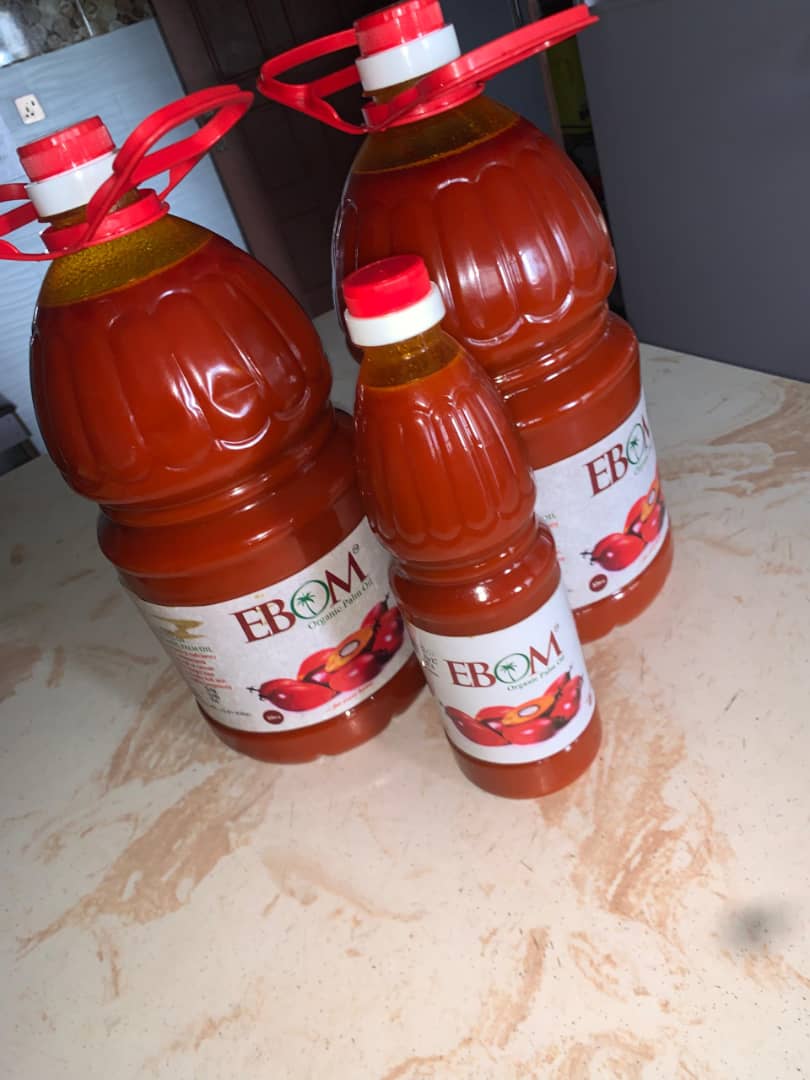
Ebom Palm Oil: Healthy and safe


Ebom Palm Oil: Healthy and safe

Palm oil does not come from factories. It comes from trees, soil, rainfall, harvest cycles and processing discipline. This means palm oil has seasons, and these seasons directly determine quality, price, safety and availability.

In Nigeria, the main palm oil production season typically runs from March to September, with peak harvests occurring between April and July. During this period, fresh palm fruit bunches are harvested in large quantities and supplied to processing mills across producing states.
This is the period of surplus when palm oil is most available.

During this season, Palm oil is fresh and naturally lighter in texture, not because it is diluted, but because the fruits are freshly harvested and well processed. The oil flows more easily and looks clear when warm. Its colour comes from natural carotene, not artificial dyes. Nutrient content is at its highest. Supply is strong and reliable.

Lightness during surplus season does not mean the oil is fake or adulterated. It is a natural result of fresh fruit processing and dry-season conditions.

By contrast, the rainy and scarcity period usually begins from November and stretches through February, sometimes spilling into early March.
This period coincides largely with the rainy and low harvest months.

During this time Fresh palm fruit supply drops. Palm oil becomes naturally thicker and more viscous, especially in cooler temperatures. Prices rise sharply. Old stock circulates longer in the market
Adulteration becomes more common.

Thickness alone is not proof of quality. Oil can be thick and still be adulterated. What matters is purity, source and processing, not just texture.

The beginning of palm oil season is also when adulteration becomes most aggressive.
As fresh oil enters the market, dishonest traders take advantage of high demand and limited consumer awareness. They rush to flood markets with chemically altered or diluted oil, selling at cheaper prices to undercut genuine producers.

So while the season brings opportunity, it also brings risk. This season, therefore, is not just about buying palm oil. It is about buying the right palm oil; pure, traceable and safely processed.

Because the oil you choose today determines not just your meals, but your long term health and value for money.


 

  • Facebook
  • Share on X
  • LinkedIn
  • WhatsApp
  • Email
  • Copy Link
Tags: Ebom palm oil Libby Offem -Oke Palm oil

Post navigation

Previous FG denies siting gold refinery in Lagos, says NEF statement misleading
Next No gold refinery in Lagos: Ministry replies Northern Elders’ Forum 

Related Stories

How the Lifting of U.S. Maritime Restrictions Re-energises Nigeria’s Blue Economy After 12 Years
  • Business & Economy

How the Lifting of U.S. Maritime Restrictions Re-energises Nigeria’s Blue Economy After 12 Years

August 18, 2026
Under Tinubu, FAAC allocations peak at N2.8trn monthly, highest ever – Oyedele
  • Business & Economy

Under Tinubu, FAAC allocations peak at N2.8trn monthly, highest ever – Oyedele

August 18, 2026
West Africa cocoa sector struggles to meet EU anti-deforestation rules, raising supply concerns
  • Business & Economy

West Africa cocoa sector struggles to meet EU anti-deforestation rules, raising supply concerns

August 17, 2026
logo

Political Economist is a liberal news magazine with global affiliations.

At Political Economist, we promote free enterprise and act as a catalyst for the growth of knowledge economy. We are proudly pan-Nigeria yet richly spiced with African and global news. We offer a fair and balanced news reportage presented by our team of well-heeled professional journalists. <

About us

  • 5 Olutosin Ajayi Street, By CPM Church, Ajao Estate, Lagos State, Nigeria
  • +234 805 680 1124
  • info@politicaleconomistng.com

Follow

Subscribe to notifications

You may have missed

Flood: Wike orders demolition of houses built on waterways in Abuja
  • National News

Flood: Wike orders demolition of houses built on waterways in Abuja

August 18, 2026
How the Lifting of U.S. Maritime Restrictions Re-energises Nigeria’s Blue Economy After 12 Years
  • Business & Economy

How the Lifting of U.S. Maritime Restrictions Re-energises Nigeria’s Blue Economy After 12 Years

August 18, 2026
Landmark $1B Underwriting Deal Paves Way for Record-Breaking Dangote Refinery IPO refinery
  • Breaking News
  • National News

Landmark $1B Underwriting Deal Paves Way for Record-Breaking Dangote Refinery IPO

August 18, 2026
Chased down and Captured: How NDLEA dismantled cocaine syndicate, arrests popular Lagos socialite
  • National News

Chased down and Captured: How NDLEA dismantled cocaine syndicate, arrests popular Lagos socialite

August 18, 2026
  • Home
  • About us
  • Contact us
  • Newsletter
  • Privacy Policy
Copyright © All rights reserved. | DarkNews by AF themes.