Skip to content
July 20, 2026
  • Home
  • About us
  • Contact us
  • Newsletter
  • Privacy Policy
Political Economist

Political Economist

A liberal News reporting Politics, Sports, Business, Commentaries

  • Home
  • National News
    • Metro News
      • metro
    • Society
    • Crime and Justice
  • Special Reports
    • Investigation
    • Features
    • Interviews
  • Opinion
    • Commentaries
    • Perspectives
  • Press Releases
  • International News
  • Business & Economy
  • Politics
Watch Online
  • Home
  • International News
  • U.S. climate envoy Kerry cautions against long-term gas projects in Africa
  • International News

U.S. climate envoy Kerry cautions against long-term gas projects in Africa

Admin September 16, 2022

September 16, 2022

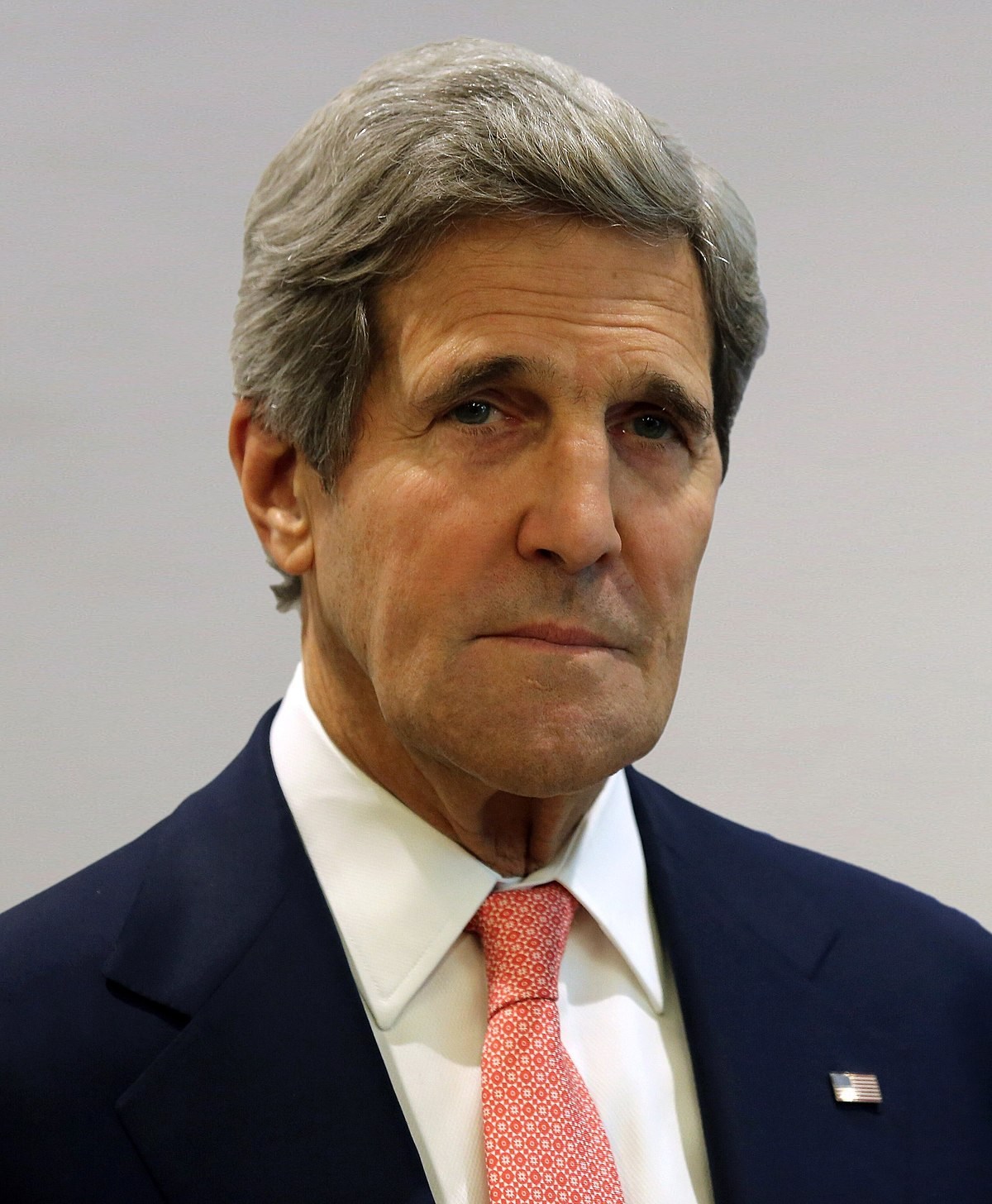
U.S. climate envoy John Kerry cautioned against investing in long-term gas projects in Africa as countries in the region, some hoping to tap recent oil and gas discoveries, wrestle with how to power their development with clean energy.

“We are not saying no gas,” Kerry told Reuters on the sidelines of a conference of African environment ministers in Dakar, Senegal on Thursday.

“What we are saying is that in the next few years gas will replace coal or oil,” said the former secretary of state and Democratic presidential candidate, adding that gas can be used as a transition to cleaner energy sources.

But after 2030 it will be important to capture gas emissions as well, Kerry added.

Continued funding of oil and gas projects in Africa has become a key issue for the countries, which they intend to promote during a UN climate summit in Egypt in November.

Senegal and other countries in the region aim to start producing oil and gas, which they hope will help increase electricity generation, power industries and curb energy poverty.

According to the International Energy Agency, over 600 million people, or 43 per cent of the African population, do not have access to electricity, most of them in sub-Saharan Africa.

African countries argue that they need investment to develop their energy resources, including oil and gas, and the commitment of developed nations, including the United States, last year to curb investment in fossil fuels was unfair.

Kerry said the question now is how to help nations, which account for only a small amount of carbon emissions, develop without making mistakes made by others, allowing them to be as green as possible without creating more problems.

He said the feasibility of long-term gas projects could become an issue beyond 2030, the target date many developed nations have set to switch primarily to renewables and curb the need for gas.

Kerry said such long-term projects are likely not to recoup their investments within 10 years, adding that some countries are talking about projects with a lifespan of up to 40 years, which wasn’t necessary.

“We don’t have to rush back, we have to be very careful about exactly how much we are going to deploy, how it will be paid, over what period of time and how emissions are captured.” Kerry said.

He said developed nations must step up efforts and meet the urgency to help other countries adapt and overcome the initial hurdles of developing renewable energy systems.

Kerry said the US has committed $12 billion to “adaptation and resilience” and is working on a new structure to bring in larger trillion-dollar investors.

REUTERS

  • Facebook
  • Share on X
  • LinkedIn
  • WhatsApp
  • Email
  • Copy Link
Tags: John Kerry

Post navigation

Previous Africa CDC head: COVID still a threat given low vaccination rates
Next ASUU strike: Court to deliver ruling Sept. 19

Related Stories

Oil rises on renewed US-Iran hostilities and threat of Red Sea closure crude oil
  • International News

Oil rises on renewed US-Iran hostilities and threat of Red Sea closure

July 17, 2026
50 migrants feared lost in Mediterranean, 10 survive after boat capsizes, security sources say Migrants
  • International News

50 migrants feared lost in Mediterranean, 10 survive after boat capsizes, security sources say

July 14, 2026
Oil jumps 4% as new military strikes threaten Hormuz shipments crude oil
  • Business & Economy
  • International News

Oil jumps 4% as new military strikes threaten Hormuz shipments

July 13, 2026
logo

Political Economist is a liberal news magazine with global affiliations.

At Political Economist, we promote free enterprise and act as a catalyst for the growth of knowledge economy. We are proudly pan-Nigeria yet richly spiced with African and global news. We offer a fair and balanced news reportage presented by our team of well-heeled professional journalists. <

About us

  • 5 Olutosin Ajayi Street, By CPM Church, Ajao Estate, Lagos State, Nigeria
  • +234 805 680 1124
  • info@politicaleconomistng.com

Follow

Subscribe to notifications

You may have missed

Fuel price uncertainty forces marketers to temporarily halt supply — IPMAN Fuel crisis
  • Business & Economy

Fuel price uncertainty forces marketers to temporarily halt supply — IPMAN

July 19, 2026
Oyo mandates birth certificates, NIN for school enrolment — Perm Sec oyo
  • National News

Oyo mandates birth certificates, NIN for school enrolment — Perm Sec

July 19, 2026
NDLEA intercepts Kano-bound tramadol shipments, arrests 80-year-old grandpa
  • Crime and Justice

NDLEA intercepts Kano-bound tramadol shipments, arrests 80-year-old grandpa

July 19, 2026
Troops foil ISWAP mass abduction bid, rescue 46 students in Borno Troops
  • National News

Troops foil ISWAP mass abduction bid, rescue 46 students in Borno

July 19, 2026
  • Home
  • About us
  • Contact us
  • Newsletter
  • Privacy Policy
Copyright © All rights reserved. | DarkNews by AF themes.