Tinubu
These individuals are not just 600 private citizens expressing their political preferences; they belong to an institution that has frequently provided electoral officials.
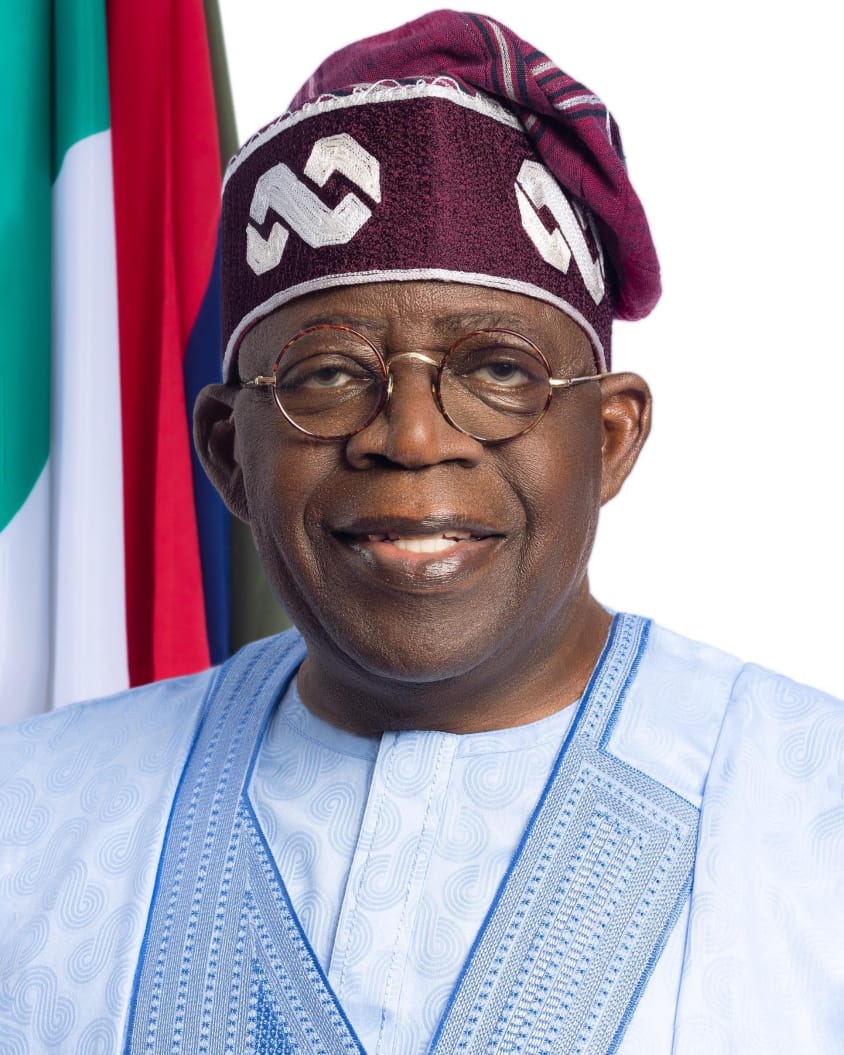
The Peter Obi Media Office has become aware of reports that approximately 600 university academics have endorsed President Bola Ahmed Tinubu.
This development is profoundly troubling and should be recognised for what it signifies: an early attempt to build and legitimise a network of partisan actors ahead of the 2027 presidential election.
These individuals are not just 600 private citizens expressing their political preferences; they belong to an institution that has frequently provided electoral officials, including returning officers. Their public backing for the incumbent consequently raises a serious and unavoidable question: is the framework for manipulating the 2027 election already being established? We have seen this pattern before. Electoral rigging does not suddenly occur on election day; it begins months or even years earlier through the identification, cultivation, and placement of individuals capable of influencing the process when votes are finally cast.
That is why Nigerians must remain vigilant now. When academics who might be assigned sensitive electoral responsibilities openly organise to endorse the very candidate whose election they might later help oversee, the risk of conflict of interest is evident. This sets the stage for a compromised electoral process and undermines public trust in the impartiality of those who may be responsible for announcing the results.
Let no one deceive Nigerians: preparations for electoral manipulation may start long before voting begins. We therefore urge INEC to release the names of all 600 + academics involved in this or any other political endorsement and to formally prohibit them from serving as Returning Officers, Collation Officers, or electoral staff during the 2027 general elections.
INEC must also publish the complete list of all prospective Collation and Returning Officers well in advance of future elections, allowing civil society, political parties, and the public to evaluate their political neutrality. We further call on university governing councils and academic bodies nationwide to adopt strict conflict- of- interest rules that prevent staff from using their professional academic positions to facilitate partisan political mobilisation. Nigerians are watching. The machinery for rigging must not be allowed to take root before the election even begins. The people must choose their leaders, and the outcome must be decided by their votes—not by a pre- arranged electoral network.