Skip to content
July 21, 2026
  • Home
  • About us
  • Contact us
  • Newsletter
  • Privacy Policy
Political Economist

Political Economist

A liberal News reporting Politics, Sports, Business, Commentaries

  • Home
  • National News
    • Metro News
      • metro
    • Society
    • Crime and Justice
  • Special Reports
    • Investigation
    • Features
    • Interviews
  • Opinion
    • Commentaries
    • Perspectives
  • Press Releases
  • International News
  • Business & Economy
  • Politics
Watch Online
  • Home
  • Business & Economy
  • Sub-Saharan African economy expected to grow 3.7% next year – Reuters poll
  • Business & Economy

Sub-Saharan African economy expected to grow 3.7% next year – Reuters poll

Admin October 20, 2023

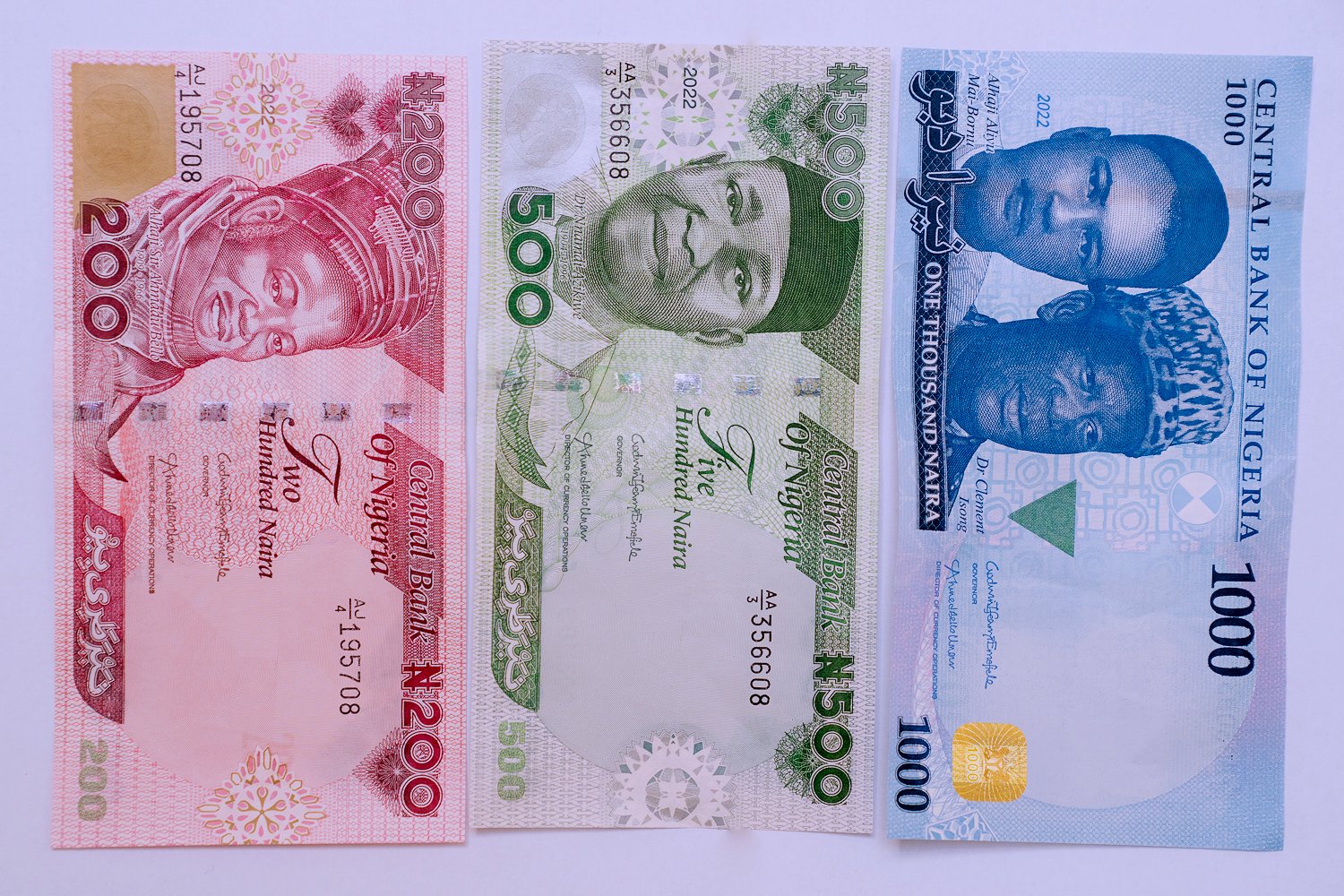
The new naira notes

October 20, 2023

The Sub-Saharan African economy is expected to grow 3.7% on average next year despite a worrisome global economic backdrop as falling inflation allows for looser monetary policy, a Reuters poll showed on Friday.

However, Sub-Saharan Africa is reliant on the wider global economy performing well and earlier this month the International Monetary Fund cut its growth forecasts for China and the euro zone and said overall global growth remained low and uneven.

The forecast in the poll of economists surveyed in the past week is below that of the IMF which estimates the region’s economy will grow 4.0% next year after expanding 3.3% this year.

Jane Morley, head of Sub-Saharan Africa Country Risk at Fitch Solutions said the region’s economy will gain momentum as inflation trends downwards and risk appetite towards emerging markets improves. She put the region’s 2024 growth at the poll median of 3.7%.

Morley expects performance in South Africa and Nigeria – which make up half of the region’s nominal GDP – to improve marginally, with monetary easing across most of its major markets feeding through towards the end of next year, supporting consumer and business activity in the second half.

Gross domestic product in Nigeria, the region’s biggest economy, is expected to grow 3.0% this year and next. Its growth rate slowed to 2.51% in the second quarter, hurt by a fall in oil production amid a series of reforms.

A Reuters poll earlier this month showed South Africa’s economy would grow 1.2% next year due to improving energy supplies. A separate poll in September suggested the impact of rate cuts as inflation slows would be felt more late next year in a couple of key economies.

Ghana GDP growth is expected to accelerate to 3.4% next year from 2.9% this year but still a far cry from a growth rate of 5.1% seen in 2021. Kenya’s economy is expected to grow 5.2% next year.

Zambia’s economy is expected to expand 3.9% this year and 4.0% next. The IMF has 3.6% and 4.3% estimates, respectively.

Zambia was the first African country to default during the pandemic and its restructuring process, which saw it agree broad terms to rework $6.3 billion of debt with official creditors in June, has been beset by delays.

Jacques Nel, head of Africa macro research at Oxford Economics Africa reckons 2024 will not be much easier than 2023 for the region from a fiscal perspective.

“Government finances won’t look much better, the cost of living has not dropped, and global economic growth is expected to slow down further,” said Nel.

“Aggressive policy reform, in a positive direction, will be the most productive channel to pursue a brighter 2024 for most African countries,” he added.

REUTERS

  • Facebook
  • Share on X
  • LinkedIn
  • WhatsApp
  • Email
  • Copy Link
Tags: IMF Jane Morley Risk at Fitch Solutions

Post navigation

Previous Third Mainland Bridge: We just want to do palliative work to provide relief,  complete overhaul of Asphalt layer to commence 2024 – Controller Works
Next We Don’t Issue Arrest Warrant on Loan Defaulters – EFCC Warns

Related Stories

Lagos ports expect 26 ships with diverse cargoes greater efficiency
  • Business & Economy

Lagos ports expect 26 ships with diverse cargoes

July 21, 2026
NCC advocates evidence-based decisions in African telecom regulation
  • Business & Economy

NCC advocates evidence-based decisions in African telecom regulation

July 21, 2026
FG rolls out credit scheme for laptops, internet-enabled devices
  • Business & Economy

FG rolls out credit scheme for laptops, internet-enabled devices

July 21, 2026
logo

Political Economist is a liberal news magazine with global affiliations.

At Political Economist, we promote free enterprise and act as a catalyst for the growth of knowledge economy. We are proudly pan-Nigeria yet richly spiced with African and global news. We offer a fair and balanced news reportage presented by our team of well-heeled professional journalists. <

About us

  • 5 Olutosin Ajayi Street, By CPM Church, Ajao Estate, Lagos State, Nigeria
  • +234 805 680 1124
  • info@politicaleconomistng.com

Follow

Subscribe to notifications

You may have missed

CBN confirms opening two accounts for fake agency, but says no money came in
  • Crime and Justice

CBN confirms opening two accounts for fake agency, but says no money came in

July 21, 2026
Lagos ports expect 26 ships with diverse cargoes greater efficiency
  • Business & Economy

Lagos ports expect 26 ships with diverse cargoes

July 21, 2026
ICPC hands over forfeited 27.92 hectares of $65m housing project to FMBN ICPC
  • National News

ICPC hands over forfeited 27.92 hectares of $65m housing project to FMBN

July 21, 2026
NCC advocates evidence-based decisions in African telecom regulation
  • Business & Economy

NCC advocates evidence-based decisions in African telecom regulation

July 21, 2026
  • Home
  • About us
  • Contact us
  • Newsletter
  • Privacy Policy
Copyright © All rights reserved. | DarkNews by AF themes.