Skip to content
September 3, 2026
  • Home
  • About us
  • Contact us
  • Newsletter
  • Privacy Policy
Political Economist

Political Economist

A liberal News reporting Politics, Sports, Business, Commentaries

  • Home
  • National News
    • Metro News
      • metro
    • Society
    • Crime and Justice
  • Special Reports
    • Investigation
    • Features
    • Interviews
  • Opinion
    • Commentaries
    • Perspectives
  • Press Releases
  • International News
  • Business & Economy
  • Politics
Watch Online
  • Home
  • National News
  • Study: Benin Bronzes made from brass mined in Germany’s Rhineland
  • National News

Study: Benin Bronzes made from brass mined in Germany’s Rhineland

Admin April 6, 2023
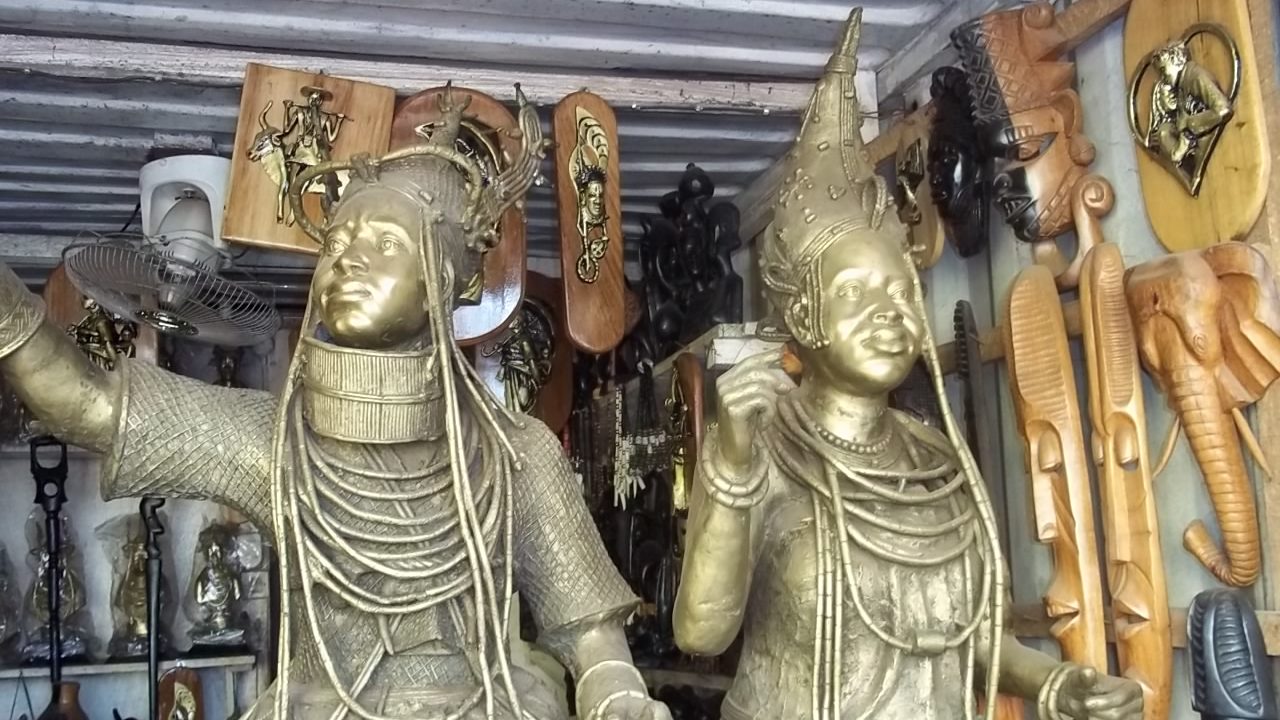
benin city

Bronze casting in Benin

April, 6, 2023

A research has revealed that many of the Benin Bronzes were made from brass mined thousands of kilometres away in Germany’s Rhineland, between the cities of Cologne and Aachen.

The Benin Bronzes are a group of several thousand ornate metal plaques and sculptures which decorated the palace in the Kingdom of Benin, now Edo State in present-day Nigeria.

They were taken by colonial forces and placed in collections around the world.

A new study published on Thursday in the specialist peer-reviewed journal PLOS ONE shows that many of the priceless artworks were created using melted-down brass manilla bracelets from western Germany.

Manillas were used as a currency across West Africa from the 15th century onwards. They were a common means of payment for slaves, and many of the bracelets have been found in shipwrecks that had been carrying them.

The scientists involved in the study looked at 67 manillas, dated to the 16th to 19th centuries, from five shipwrecks.

The wrecks were located in African, European and American waters of the Atlantic.

The study, led by Tobias Skowronek from the Technical University of Georg Agricola in Bochum, Germany examined the lead isotopes in the manillas to trace their origins back to Germany.

ln spite of the name Benin Bronzes, most of the artworks were made of brass, which contains mainly copper and zinc, but often also lead, tin and other elements.

That manillas were repurposed to form the bronzes has long been known. But that many of these bracelets were made from brass mined around the Cologne area is seen as a major discovery.

A contract between the German mercantile and banking dynasty Fugger and the Portuguese king from 1548 for the delivery of manillas corroborates the scientific analysis.

After being produced in the Rhineland, the manillas were transported more than 6,300 kilometres to the Kingdom of Benin, Skowronek said.

Since manillas did not play a role in European trade, they were produced in Europe almost exclusively for trade with Africa.

From the 15th century onwards, it was mainly the Portuguese who traded with West African peoples, later joined by other colonial powers.

Stefan Simon, director of the Rathgen Research Laboratory of the National Museums in Berlin, said the study is a big step towards clarifying the question of how the raw material used in the famed sculptures came to Benin.

Like elsewhere in Europe, many German museums and university collections have long featured Benin Bronzes.

German authorities have been increasingly heeding the Nigerian government’s demand for the return of the stolen artworks.

In a landmark ceremony in Abuja in December, Germany’s foreign and culture ministers returned 20 of the precious artifacts’ that had been held in five German museums.

Most of the bronzes were looted by a British military expedition in 1897.(NAN)
  • Facebook
  • Share on X
  • LinkedIn
  • WhatsApp
  • Email
  • Copy Link
Tags: brass manilla bracelets Rathgen Research Laboratory Tobias Skowronek

Post navigation

Previous Ekweremadu : Obasanjo appeals to UK court to temper Justice with mercy
Next NDLEA arrests 352 suspects, seizes 2.1 tonnes of illicit drugs in Kano

Related Stories

Troops rescue retired General’s wife, apprehend 2 kidnappers in Abuja Soldiers beat policemen
  • National News

Troops rescue retired General’s wife, apprehend 2 kidnappers in Abuja

September 2, 2026
Troops ​‌‌‌⁠‍‍⁠⁠‌‍‌​⁠‌⁠‍‍‌​neutralise terrorists, rescue 30 kidnap victims in nationwide operations Soldiers beat policemen
  • National News

Troops ​‌‌‌⁠‍‍⁠⁠‌‍‌​⁠‌⁠‍‍‌​neutralise terrorists, rescue 30 kidnap victims in nationwide operations

September 2, 2026
Uber Exits Nigeria, Uganda to Refocus Sub-Saharan Africa Strategy mask
  • National News

Uber Exits Nigeria, Uganda to Refocus Sub-Saharan Africa Strategy

September 2, 2026
logo

Political Economist is a liberal news magazine with global affiliations.

At Political Economist, we promote free enterprise and act as a catalyst for the growth of knowledge economy. We are proudly pan-Nigeria yet richly spiced with African and global news. We offer a fair and balanced news reportage presented by our team of well-heeled professional journalists. <

About us

  • 5 Olutosin Ajayi Street, By CPM Church, Ajao Estate, Lagos State, Nigeria
  • +234 805 680 1124
  • info@politicaleconomistng.com

Follow

Subscribe to notifications

You may have missed

NFF: Why Nigeria must follow the rules, not sentiments, by Ken Ekwueme
  • Sports

NFF: Why Nigeria must follow the rules, not sentiments, by Ken Ekwueme

September 3, 2026
Troops rescue retired General’s wife, apprehend 2 kidnappers in Abuja Soldiers beat policemen
  • National News

Troops rescue retired General’s wife, apprehend 2 kidnappers in Abuja

September 2, 2026
Troops ​‌‌‌⁠‍‍⁠⁠‌‍‌​⁠‌⁠‍‍‌​neutralise terrorists, rescue 30 kidnap victims in nationwide operations Soldiers beat policemen
  • National News

Troops ​‌‌‌⁠‍‍⁠⁠‌‍‌​⁠‌⁠‍‍‌​neutralise terrorists, rescue 30 kidnap victims in nationwide operations

September 2, 2026
Uber Exits Nigeria, Uganda to Refocus Sub-Saharan Africa Strategy mask
  • National News

Uber Exits Nigeria, Uganda to Refocus Sub-Saharan Africa Strategy

September 2, 2026
  • Home
  • About us
  • Contact us
  • Newsletter
  • Privacy Policy
Copyright © All rights reserved. | DarkNews by AF themes.