Skip to content
July 21, 2026
  • Home
  • About us
  • Contact us
  • Newsletter
  • Privacy Policy
Political Economist

Political Economist

A liberal News reporting Politics, Sports, Business, Commentaries

  • Home
  • National News
    • Metro News
      • metro
    • Society
    • Crime and Justice
  • Special Reports
    • Investigation
    • Features
    • Interviews
  • Opinion
    • Commentaries
    • Perspectives
  • Press Releases
  • International News
  • Business & Economy
  • Politics
Watch Online
  • Home
  • International News
  • Rich nations should put $30 bln of IMF cash towards Africa investments – African ministers
  • International News

Rich nations should put $30 bln of IMF cash towards Africa investments – African ministers

Admin July 9, 2021
african countries

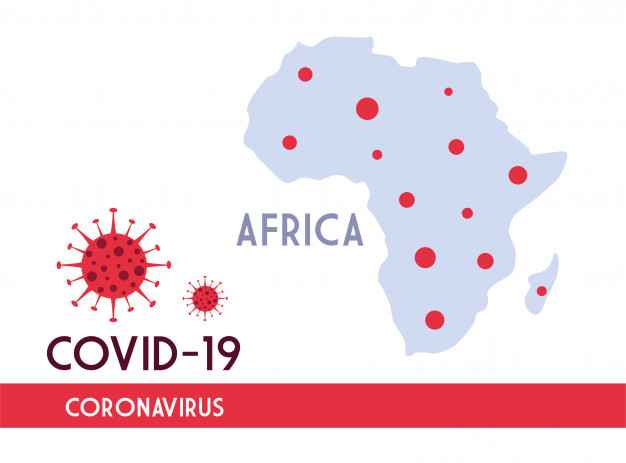
Africa map with propagation covid-19

July 9, 2021

Rich countries should reallocate at least $30 billion of new money from the International Monetary Fund, IMF, towards investments in Africa to help countries battling the effects of coronavirus and climate change, four African finance ministers said.

In an open letter to the leaders of the Group of 20 leading economies, finance ministers from Ghana, the Democratic Republic of Congo, Ivory Coast and Nigeria also urged the rich nations to increase support for poorer countries’ COVID vaccination drive.

The IMF has taken steps to implement a new $650 billion allocation – the largest ever – of its reserve currency, so-called Special Drawing Rights (SDRs). The process is expected to be completed in August.

“Make the IMF’s promised new issue of Special Drawing Rights available as soon as possible and define a clear path forward for their maximal re-allocation and on-lending,” the ministers wrote in the letter published on Friday.

“The urgency now is to accelerate the disbursement of these SDRs to forestall the current emerging market liquidity crisis devolving into an insolvency crisis.”

The economic fallout from the pandemic has exacerbated existing strains on a number of African sovereigns, with Zambia, Chad and Ethiopia all seeking overhauls on their debt burdens.

The new SDR allocation will provide some relief, but the cash gets split among its members based on their shareholdings which means rich ones will benefit most, with only 7% or $42 billion of the total going to the 44 poorer nations.

G20 finance chiefs, who meet on Friday and Saturday in Venice, have on their agenda a recommendation to find ways to ensure a significant part of the $650 billion goes to countries most in need.

The letter, signed by Ghana’s Ken Ofori-Atta, Nigeria’s Zainab Shamsuna Ahmed, DRC’s Nicolas Kazadi and Ivory Coast’s Adama Coulibaly, urged G20 leaders to lend at least $30 billion of that money to a new Liquidity and Sustainability Facility (LSF) and the African Stability Mechanism.

“(This would) catalyse investments to Africa, reduce the liquidity premia on sovereign bonds offered by middle-income countries and incentivize green and sustainability-linked investments,” the letter said.

Rich countries also needed to boost their support for vaccination campaigns against coronavirus.

“In June alone there was a 290 million shortfall in vaccine supply,” the finance ministers said. “We really need 1 billion doses donated in the next few months.”

REUTERS

  • Facebook
  • Share on X
  • LinkedIn
  • WhatsApp
  • Email
  • Copy Link
Tags: Adama Coulibaly DRC's Nicolas Kazadi IMF LSF Zainab Shamsuna Ahmed

Post navigation

Previous FG to establish Aerospace University to boost Aviation sector, produce the needed manpower
Next Hazard Allowances: FG needs time to study new proposals from Health Workers

Related Stories

AI could lift Sub-Saharan Africa economy 4% if power, internet improve, IMF says imf
  • International News

AI could lift Sub-Saharan Africa economy 4% if power, internet improve, IMF says

July 21, 2026
Nigeria’s Erebor elected ATU confab preparatory committee chair
  • International News

Nigeria’s Erebor elected ATU confab preparatory committee chair

July 20, 2026
Why oil prices haven’t gone crazy despite 5 months of US-Iran war
  • International News

Why oil prices haven’t gone crazy despite 5 months of US-Iran war

July 20, 2026
logo

Political Economist is a liberal news magazine with global affiliations.

At Political Economist, we promote free enterprise and act as a catalyst for the growth of knowledge economy. We are proudly pan-Nigeria yet richly spiced with African and global news. We offer a fair and balanced news reportage presented by our team of well-heeled professional journalists. <

About us

  • 5 Olutosin Ajayi Street, By CPM Church, Ajao Estate, Lagos State, Nigeria
  • +234 805 680 1124
  • info@politicaleconomistng.com

Follow

Subscribe to notifications

You may have missed

NPC launches nationwide digital birth, death registration system
  • National News

NPC launches nationwide digital birth, death registration system

July 21, 2026
AI could lift Sub-Saharan Africa economy 4% if power, internet improve, IMF says imf
  • International News

AI could lift Sub-Saharan Africa economy 4% if power, internet improve, IMF says

July 21, 2026
 Illegal migration: 144 dead or missing off Mauritania – UN refugee agency says
  • Interviews

 Illegal migration: 144 dead or missing off Mauritania – UN refugee agency says

July 21, 2026
NUPRC unveils 143 bidders for 37 oil assets in licensing round, targeting 300,000bpd PIA
  • Business & Economy

NUPRC unveils 143 bidders for 37 oil assets in licensing round, targeting 300,000bpd

July 21, 2026
  • Home
  • About us
  • Contact us
  • Newsletter
  • Privacy Policy
Copyright © All rights reserved. | DarkNews by AF themes.