Oct. 30, 2025
WorldFish, an international non-governmental organisation, says Nigeria’s aquaculture sector produces about 500,000 metric tonnes of fish annually, making the country the largest aquaculture producer in sub-Saharan Africa.
Dr. Charles Iyangbe, Country Representative of WorldFish Nigeria, disclosed this at the 40th anniversary celebration of the Fisheries Society of Nigeria (FISON) in Keffi, Nasarawa.
Iyangbe said the fisheries and aquaculture sector provides livelihoods for more than 10 million Nigerians.
He noted that it was sobering that Nigeria’s fish demand is 3.6 to 3.9 million tonnes yearly, while local production is only 1.2 million tonnes.
“This leaves a staggering gap of 2.4 million tonnes, which is filled through imports that cost the country more than 1.2 billion dollars annually.
“The average Nigerian consumes 11.3 kilogrammes of fish per year, well below the global average of 21 kilogrammes. Clearly, our production systems are not keeping pace with population growth and demand.
“Capture fisheries, though important, are increasingly strained by overfishing, pollution, and environmental degradation,” he said.
According to him, the country’s aquaculture industry is at a crossroads, facing challenges that require urgent and innovative solutions to unlock its full potential.
He listed the challenges to include high cost and poor quality of fish feed and fingerlings, over reliance on catfish, influx of exotic species, technological gaps, and post-harvest losses.
Iyangbe noted that in spite these hurdles, the sector holds enormous potential for expansion, given Nigeria’s rich aquatic ecosystems; from inland rivers and lakes to coastal lagoons and the Atlantic shoreline.
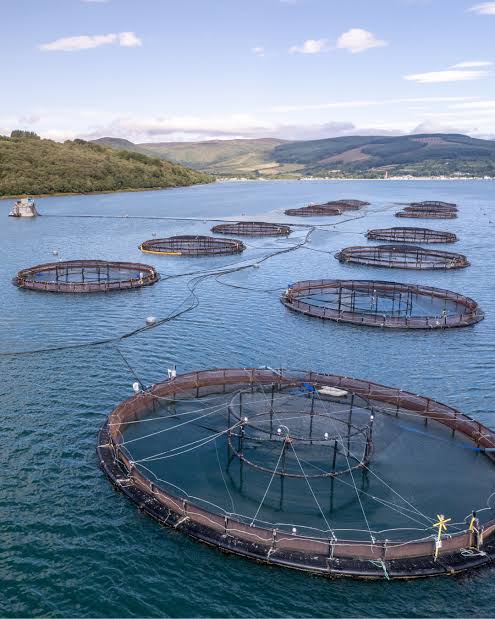
He identified Integrated Multi-Trophic Aquaculture (IMTA), offshore cage culture systems, value chain innovations, and advanced breeding technologies such as nuclear and genomic tools as scalable solutions.
“If we harness science, policy, and partnerships effectively, Nigeria can not only bridge its fish supply gap but also emerge as a net exporter of fish and seafood in the coming decades.
“This will strengthen food security, create jobs, and drive a productive blue economy,” he said.
Iyangbe said WorldFish has directly reached over 11 million people through improved livelihoods, nutrition, and ecosystem restoration, and indirectly impacted 50 million others through policy and research.
He said the organisation remains committed to shaping the future of aquatic food systems in Nigeria and beyond.
“As a member of the CGIAR, the world’s largest agricultural research partnership, WorldFish is dedicated to harnessing the potential of aquatic foods to nourish people, boost incomes, and restore ecosystems,” he said.
According to him, the organisation operates in more than 20 countries across Asia, Africa, and the Pacific, and has pioneered several scientific breakthroughs.
“These include the development of the Genetically Improved Farmed Tilapia (GIFT), now farmed in over 15 countries, innovations in affordable fish feed, and climate-smart aquaculture systems that build resilience for millions of smallholder farmers,” he said.
Iyangbe expressed optimism that science-driven and business-oriented strategies would sustainably transform Nigeria’s fisheries and aquaculture sector.
“I am excited to work with FISON and other stakeholders to harness the sector’s potential and drive meaningful impact,” he added.
WorldFish is a non-profit international research and innovation organisation under the CGIAR system, working at the intersection of science, food systems, and sustainable development.
“In spite of this growth, Africa still relies heavily on fish imports to meet consumption needs, underscoring the opportunities for expansion and investment in the sector,” Iyangbe said. (NAN)