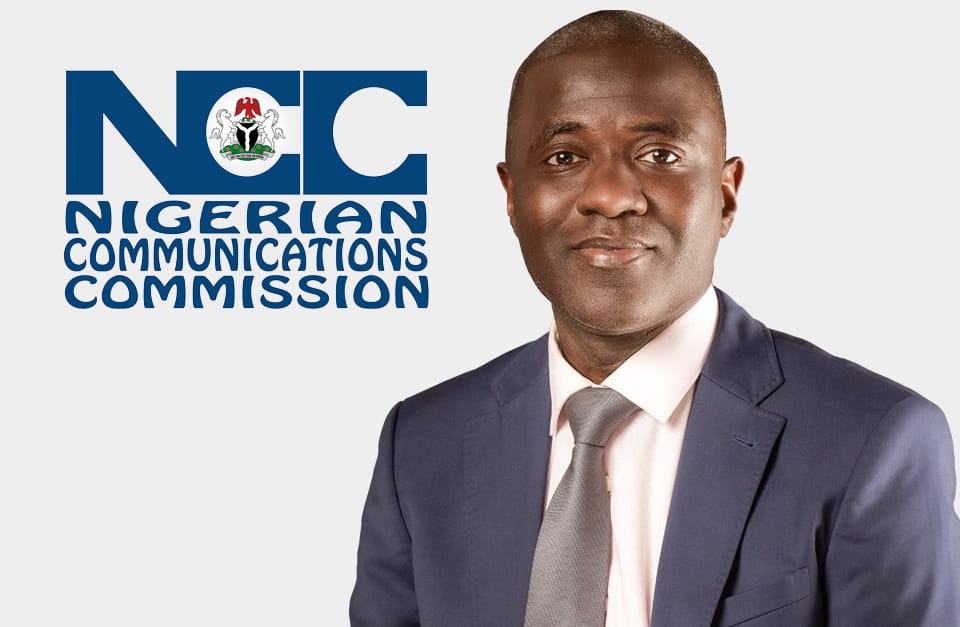
Dr Aminu Maida NCC EVC
Dr Aminu Maida, the Executive Vice-Chairman of the NCC said this while speaking at the Second Stakeholder Engagement Forum on the Study of the Level of Competition in the Nigerian Telecommunications Industry on Wednesday in Lagos.
The Nigerian Communications Commission (NCC) says it will use evidence-based assessments to promote fair competition and ensure smaller telecommunications operators are not disadvantaged.
Dr Aminu Maida, the Executive Vice-Chairman of the NCC said this while speaking at the Second Stakeholder Engagement Forum on the Study of the Level of Competition in the Nigerian Telecommunications Industry on Wednesday in Lagos.
Maida, who was represented by Mrs Omotayo Mohammed, Head of Competition and Tariff Unit at the NCC said the study would provide evidence for appropriate regulatory decisions and help identify barriers to effective competition.
“The focus of the commission is therefore on ensuring that market power does not undermine effective competition,” Maida said.
He explained that significant market power (SMP) status alone did not establish anti-competitive behaviour, noting that market dominance could result from sustained investment, innovation and commercial success.
Maida highlighted that regulatory interventions were necessary, proportionate and targeted at preserving competition, encouraging investment, innovation, improving service quality and consumer value.
He recalled that the commission’s first stakeholder forum, held in January, outlined the study’s objectives, scope and proposed methodology, allowing industry participants to share their perspectives on competitive conditions.
According to him, contributions from the initial engagement helped refine the study’s approach, identify relevant market issues and strengthen the evidence-gathering process.
Maida explained that the preliminary findings were largely based on responses to surveys and requests for information circulated to licensees and other relevant stakeholders.
He expressed appreciation to organisations that provided the requested information, emphasising that the reliability of the assessment depended on the completeness, accuracy and consistency of the data collected.
Maida acknowledged that data limitations could affect the assessment, adding that such gaps would be identified and considered when interpreting the findings.
He noted that assessing competition required more than examining market shares and the number of licensed operators, as the study also considered market concentration, barriers to entry and expansion, and control over essential infrastructure.
Maida added that market conduct, consumer choice and the identification of operators with SMP were equally important in determining the state of competition across relevant telecommunications markets.
He explained that the study was an important regulatory tool for fulfilling the commission’s responsibilities under the Nigerian Communications Act 2003 and the Competition Practices Regulations 2007.
Maida urged stakeholders to examine the preliminary findings critically, validate the evidence and provide additional perspectives before the commission reached any regulatory conclusions.
He encouraged participants to support their observations with verifiable data and practical industry experience, stressing that their contributions would help ensure a balanced assessment reflecting the realities of Nigeria’s telecommunications market.
Maida disclosed that PricewaterhouseCoopers (PwC), which conducted the study, would present the findings before stakeholders discussed the results and submitted further observations.
Similarly, Mrs Omotayo Mohammed, Head of Competition and Tariff Unit at the NCC, explained that the commission conducted competition studies to obtain reliable evidence for targeted regulatory decisions that would promote industry growth and protect consumers.
“Competition drives innovation, investment, sustainability, consumer choice and affordable telecommunications services. Studies like this help us obtain the evidence needed to make appropriate regulatory decisions,” she said.
Mohammed disclosed that the commission was also pursuing similar studies on mobile termination rates and value-added services to gather relevant information that would inform future regulatory decisions.
She reiterated that smaller operators were as important as larger players, stressing that the commission’s decisions would be guided by market evidence, industry dynamics and the need to improve consumer experience while encouraging sustainable growth.(NAN)