Oct 19, 2021
A World Health Organization-led programme to ensure poorer countries get fair access to COVID-19 vaccines, tests and treatments aims to secure antiviral drugs for patients with mild symptoms for as little as $10 per course, a draft document seen by Reuters says.
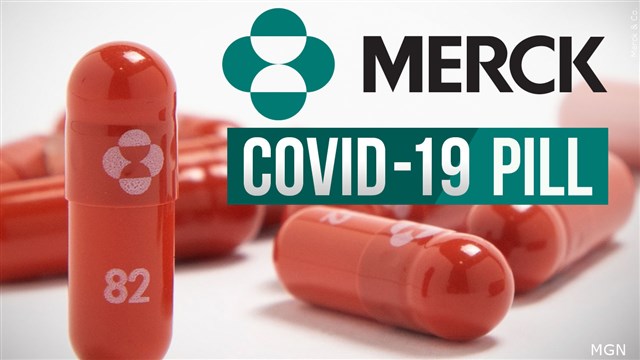
Merck & Co’s experimental pill molnupiravir is likely to be one of the drugs, and other drugs to treat mild patients are being developed.
The document, which outlines the goals of the Access to COVID-19 Tools Accelerator (ACT-A) until September next year, says that the programme wants to deliver about 1 billion COVID-19 tests to poorer nations, and procure drugs to treat up to 120 million patients globally, out of about 200 million new cases it estimates in the next 12 months.
The plans highlight how the WHO wants to shore up supplies of drugs and tests at a relatively low price after losing the vaccine race to wealthy nations which scooped up a huge share of the world’s supplies, leaving the world’s poorest countries with few shots.
A spokesperson for the ACT-A said the document, dated Oct. 13, was still a draft under consultation and declined to comment on its content before it is finalised. The document will also be sent to global leaders ahead of a G20 summit in Rome at the end of this month.
The ACT-A asks the G20 and other donors for additional funding of $22.8 billion until September 2022 which will be needed to buy and distribute vaccines, drugs and tests to poorer nations and narrow the huge gaps in supply between wealthy and less advanced countries. Donors have so far pledged $18.5 billion to the programme.
The financial requests are based on detailed estimates about the price of drugs, treatments and tests, which will account for the programme’s biggest expenses alongside the cost of distributing vaccines.
Although it does not explicitly cite molnupiravir, the ACT-A document expects to pay $10 dollar per course for “novel oral antivirals for mild/moderate patients”.
Other pills to treat mild patients are being developed, but molnupiravir is the only one which has so far showed positive results in late-stage trials. The ACT-A is in talks with Merck & Co and generics producers to buy the drug. read more
The price is very low if compared with the $700 per course that the United States has agreed to pay for 1.7 million courses of the treatment.
However, a study carried out by Harvard university estimated that molnupiravir could cost about $20 dollars if produced by generic drugmakers, with the price potentially going down to $7.7 under an optimised production.
Merck & Co. has licensing deals with eight Indian generic drugmakers.
The ACT-A document says that its target is to reach a deal by the end of November to secure the supply of an “oral outpatient drug”, which it aims to be available from the first quarter of next year.
The money raised would initially be used to “support procurement of up to 28 million treatment courses for highest risk mild/moderate patients over the next 12 months, depending on product availability, clinical guidance, and volumes changing with evolution of needs,” the document says, noting this volume would be secured under an advance purchase agreement.
Larger additional amounts of new oral antivirals to treat mild patients are also expected to be procured at a later stage, the document says.
Another 4.3 million courses of repurposed COVID-19 pills to treat critical patients are also expected to be purchased at a price of $28 per course, the document says, without naming any specific drug.
The ACT-A also intends to address essential medical oxygen needs of 6-8 million severe and critical patients by September 2022.
In addition, the programme plans to invest massively in COVID-19 diagnostics in order to at least double the number of tests carried out in poorer nations, defined as low income and low-middle income countries.

Currently poor countries conduct on average about 50 tests per 100,000 people every day, against 750 tests in richer nations. The ACT-A wants to bring testing rates to a minimum of 100 tests per 100,000 in poorer states.
That means delivering around 1 billion tests in the next 12 months, around 10 times more than the ACT-A has procured so far, the document shows.
The largest share of diagnostics would be rapid antigen tests at a price of around $3, and only 15% would be spent to procure molecular tests, which are more accurate but take more time to deliver results and are estimated to cost around $17, including delivery costs, the document shows.
The push on tests is meant to narrow the gap between the rich and the poor, as only 0.4% of the about 3 billion tests reported across the world have been conducted in poor nations, the document says.
It would also help spot earlier possible new variants, which tend to proliferate when infections are widespread, and therefore are more likely in the countries with lower vaccination rates.
The document underlines that “vaccine access is highly inequitable with coverage ranging from 1% to over 70%, depending largely on a country’s wealth.”
The programme aims to vaccinate at least 70% of the eligible population in all countries by the middle of next year, in line with the WHO’s goals.
REUTERS