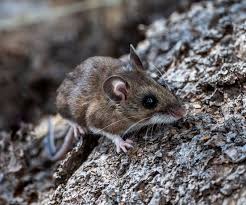

The call for help came in early May. A cruise ship off Cape Verde was stranded, with passengers suspected of infection by a deadly strain of hantavirus that kills about one in three of its victims.
The vessel had stopped at several remote islands, and the World Health Organisation needed answers. Could a biomedical research center in Senegal, an hour’s flight away, support a team collecting specimens from suspected cases on board?
The plane landed in Senegal in the early hours of May 5. At the Institut Pasteur de Dakar, scientists worked through the night, using sophisticated lab equipment and powerful computers to deliver results awaited by health officials worldwide.
Within 24 hours, they had produced a partial genome showing the illness affecting the passengers, cases five and six was the Andes strain of hantavirus, known to spread through close human contact. Laboratories in South Africa and Switzerland reached the same conclusion that day.
The WHO announced the findings at a press conference. The role of the West African lab has not previously been described in detail, and shows how global research networks can help contain outbreaks.
“It’s crucial to have, in different parts of the world, the capacity and capabilities to detect those different pathogens,” said Dr. Moussa Moise Diagne, a virologist and head of the sequencing platform at Institut Pasteur.
“It’s really important for the clinical case management, and also for the contact tracing, which is really key.” The call for help came in early May: a cruise ship off Cape Verde was stranded, with passengers suspected of infection by a deadly strain of hantavirus that kills about one in three of its victims
TO CONTAIN THE OUTBREAK, EVERY HOUR COUNTED
The Institut Pasteur, an international foundation based in France, plays a central role in responding to disease outbreaks in sub-Saharan Africa.
Its Senegal centre supported about 20 countries during the COVID-19 pandemic and has aided responses to Marburg in Guinea and Ebola in the Democratic Republic of Congo – including by advancing a rapid test for the current outbreak.
To test patients aboard the vessel in Cape Verde, the WHO collected supplies from the lab and chartered a plane to fly a team to the archipelago and back with specimens. The samples were triple-packed — in test tubes, encased in plastic and sealed in a cardboard box marked with warning signs.
By 3 a.m., the team in Dakar was in full swing, aware that every hour mattered.
The package was opened in a specialised biocontainment lab and deactivated by a trained team, who prepared samples for testing. Droplets were then analysed using sequencing machines capable of mapping the virus’ genome.
The results were sent to the WHO early on May 6, matching findings from South Africa and Switzerland, which had received samples from other patients.
GLOBAL EFFORT TO SEEK ANSWERS
By May 8, the full genome had been mapped. Laboratories worldwide compared sequences to identify mutations that could affect how the virus behaves.
How quickly it could spread was a critical question. The vessel had stopped at remote Atlantic islands and three passengers had died, including one transiting through Johannesburg. About 150 people from 23 countries were on board the MV Hondius, an expedition cruise ship.
Fortunately, no significant mutations were found compared to the outbreak of 2018–19 in Argentina.
“Sequencing is the way to understand the strength of the transmission,” Diagne said.
Officials say more cases may emerge worldwide due to the virus’ long incubation period, which can be up to six weeks. Questions remain, including where and when the first infections occurred — key to preventing further spread beyond endemic areas.
“The most important thing now is to know what is the window of exposure in Latin America,” Diagne said.
One example is the U.S. National Institutes of Health’s decision to end funding for the Centers for Research in Emerging Infectious Diseases Network, a global initiative that includes a West African centre, opens new tab. A pilot project on how hantavirus infects humans was also cancelled.
The U.S. Department of Health and Human Services said it remains committed to tackling global infectious disease threats. Suggestions the United States is stepping back from global health security “do not reflect the reality of our ongoing engagement and support internationally,” a spokesperson said.
REUTERS