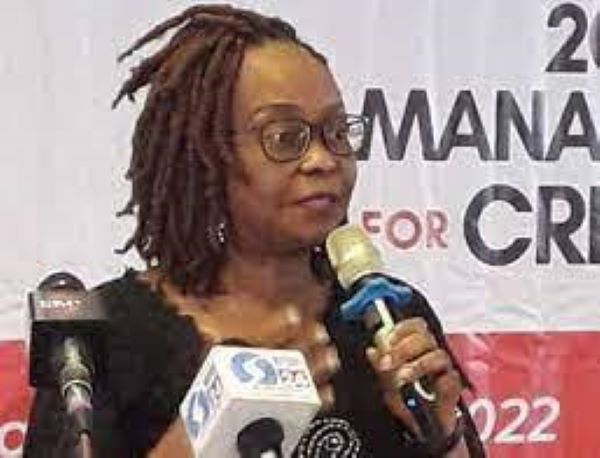
Dr. ChiChi Aniagolu

Dr ChiChi Aniagolu, Regional Director, Ford Foundation West Africa, has listed the challenges limiting the attainment of social justice even as she also outlined ways that developing nations can achieve it.
Aniagolu said this in a statement on Tuesday in Lagos in commemoration of the World International Day for Social Justice, a day that serves as a reminder that achieving fairness and equity is the bedrock of every society.
According to her, when social justice is compromised, the very fabric of society begins to unravel.
She said: “In developing countries and particularly in Africa, discussions around social justice often center around issues of poverty eradication, employment creation, access to health care, infrastructural development among others, and the need for good governance.
“In the conversations around good governance, the greater pressure is always on the executive and the legislature to ensure democracy and good governance, and to fight corruption.
“However, equally important in upholding social justice is the role of a robust judicial system due to its interpretative, dispute resolution, and enforcement role.
“Yet the judiciary in West Africa is plagued with a myriad of problems, including in countries like Nigeria, Ghana, and Senegal.
“Prevalent challenges such as inadequate funding and limited rural access to justice, political/governmental interference, and corruption, underscore the urgent need for proactive measures.”
Speaking on funding and its eminent challenges, Aniagolu said that the judiciary in many West African countries was burdened with poor remuneration, inadequate infrastructure, and an unequal distribution of resources to move the wheels of justice forward.
“Some countries such as Nigeria, Ghana, and Senegal face significant disparities in the availability of legal professionals, with an average ratio of one lawyer to every 10,000 citizens.
“In the absence of adequate legal aid against a backdrop of high legal fees for a sub-region where over 30 per cent of the population live below the poverty line and long distances from communities to the courts.
“Also, rural populations and vulnerable groups in West Africa often face significant barriers to justice making it seem as though justice is on sale to the highest bidder.
“Social justice demands accessible and fair legal systems for all, yet these resource constraints paint a stark picture of limited access to judicial services for many citizens.
“As the third arm of government, the judiciary is not free from governmental influence and interference.
“However, it is important to note that the independence of the judiciary has improved across many West African countries since the onset of democratic rule in the 1990s.
‘Biased appointments of judges to the superior courts and unfair removal of sitting judges continue to happen,” she said.
She said that sometimes the judicial system is manipulated to usurp constitutional rule, stifle dissenting groups, and gag freedom of expression with political opponents, the media, and CSOs suffering this brunt.
“The sub-region recently witnessed how the Senegalese government used the judiciary to oppress political opponents and CSOs and to delay the electoral process.
“Nigeria grapples with a crippling backlog of criminal and civil cases, inadequate infrastructure, and endemic corruption and bribery.
“These issues create a system where justice is delayed and often denied, particularly for the poor and vulnerable.
“Deep-rooted challenges persist in Ghana, including limited access to legal aid, systemic bias within the courts, corruption, and concerns about judicial independence the country’s Chief Justice is appointed by the ruling government.
“These weaknesses within the judicial systems contribute to imbalances, inefficiencies, and erosion of public trust. Though these challenges are daunting, they are not insurmountable.
“What is required first is to reform the judiciary and encourage strong governmental leadership and commitment to effect those changes.
“Prioritising the development of legal infrastructure by investing in new courthouses, especially in rural areas and upgrading existing facilities, establishing mobile legal clinics.
“Also, leveraging technology for virtual consultations, legal aid hotlines, and community-based legal assistance programs to bring legal services closer to rural populations, can effectively address the challenges faced by those in remote areas.”
She urged CSOs and the media to continue to be vibrant, courageous and lead the fight against bribery and corruption, recalling a 2015 expose of alleged bribery and corruption by an investigative journalist in Ghana which led to the indictment of many judges and magistrates.
She said it was also crucial to boost investment in legal education to address the shortage of legal professionals in West Africa by expanding law schools, providing scholarships, and incentivising legal career pursuits, especially in underserved areas.
According to her, citizens also have an important role to play as the judiciary is not only vital to guaranteeing equitable justice but also ensuring the rule of law and sustainable development.
“Businesses will not thrive and investors are unlikely to invest in societies where justice is compromised.
“And so, in an era of media pluralism, citizens must also be vocal and determined to hold the judiciary accountable through public support and applause when the judiciary does well and public naming and shaming when they err.
“This will energise and embolden the judiciary to resist governmental interference, deal with systemic corruption, and demand reforms to ensure fairness and equity in the judicial services to advance social justice.” (NAN)