Nov. 5, 2021
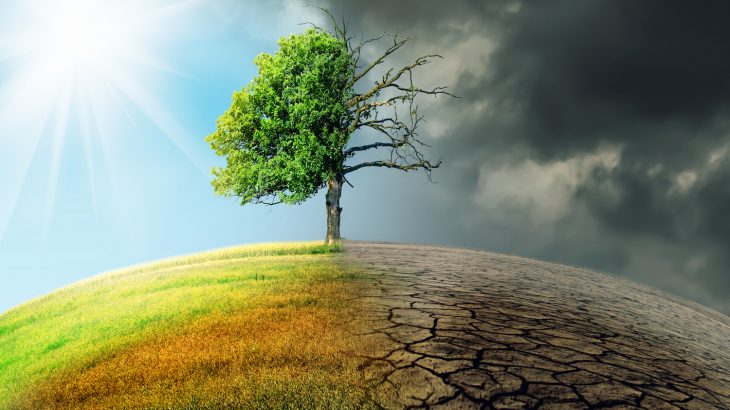
Africa’s environment has deteriorated as a result of climate change over the years. Droughts and floods on a regular basis, an increase in landfills, oil spillage, air pollution, and water poisoning are just a few of Africa’s environmental problems.
The reality is that these problems, which have long been a major source of concern in Africa, are likely to persist. However, the issue is not that Africa is confronted with these difficulties; rather, the concern is how Africans and their leaders respond to these issues.
Can we say that there is environmental justice when so many people are harmed by droughts, floods, air pollution, deforestation, water pollution, and other forms of environmental degradation?
If environmental justice does exist, it may be a fallacy, as the concept of environmental justice in Africa has little chance of becoming a reality.
Just in case you’re wondering what environmental justice is, it’s a movement that focuses on ensuring that people living in a particular environment do not suffer as a result of an unclean, unsafe, or polluted environment.
Environmental justice demands that humans and other species have the right to ethical, balanced, and responsible use of land and renewable resources like wind, solar, and hydro for the sake of sustainable earth for the inhabitants.
It also demands protection from toxic or hazardous waste and poisons that infiltrates the environment during extraction, disposal of manufacturing waste which endangers the fundamental right to clean water, safe land, and access to good food.
Environmental justice entails safeguarding the rights of those who have been harmed by climate change to get complete compensation and restitution for environmental damage induced by man, as well as access to high-quality health care.
The knowledge of climate change has spread to a very large extend but little knowledge about environmental justice exists and in order for the African communities to hold the leaders accountable for these rights, they need to know.
Also, most affected areas where toxic waste has affected their water sources as a result of extraction do not know whom to hold accountable for their loss.
Needless to say that most African countries are going through food and clean water scarcity, air pollution is a discussion that could require decades as it is on the rise.
Let us not forget the numerous individuals who have been uprooted by floods, the missing children, and the towns that can barely afford food, communities that must travel to another community to obtain clean water.
Communities near oil fields are particularly vulnerable; the Niger Delta region of Nigeria, for example, is plagued by oil spills and gas flaring. Where is environmental justice for people like this?
These communities have suffered ecological devastation, as freshwater streams have turned into oil streams, and their primary source of income, fishing, is either no longer available or has completely disappeared.
These have subjected people to living in a polluted environment as they do not have anywhere else to go, this is a clear and very visible negation of environmental justice.
In Somalia, the major environmental issue is land degradation, desertification, and drought, people are forced to live in these environments. Where they have unsustainable livestock raring and agriculture.
These people also live in an environment where there is a lack of marine and coastal management and possible toxic waste. Where then is the environmental justice for these people?
Most African leaders are presently attending COP26 with the goal of reducing carbon emissions, and many of them are receiving grants. These funds are being used to support solar projects, but who is bringing environmental justice to those who have been affected by climate change?
While the leaders invest in solar energy that is scarcely or not seen, the World Health Organization (WHO), UNICEF, and other organizations continue to raise funding to assist victims of floods, droughts, and oil spills.
Solar projects are not what affected victims of environmental injustice need. They need environmental justice. They need to feel safe and healthy in their communities. They need their rights to clean air, clean water, and healthy food to keep living.
At COP26, African leaders should focus on short-term solutions while working on long-term carbon reduction options.
Courtesy: climateaction.africa