Skip to content
August 18, 2026
  • Home
  • About us
  • Contact us
  • Newsletter
  • Privacy Policy
Political Economist

Political Economist

A liberal News reporting Politics, Sports, Business, Commentaries

  • Home
  • National News
    • Metro News
      • metro
    • Society
    • Crime and Justice
  • Special Reports
    • Investigation
    • Features
    • Interviews
  • Opinion
    • Commentaries
    • Perspectives
  • Press Releases
  • International News
  • Business & Economy
  • Politics
Watch Online
  • Home
  • Business & Economy
  • We don’t import refined petroleum products – Dangote refinery
  • Business & Economy

We don’t import refined petroleum products – Dangote refinery

Admin February 4, 2026
refinery

Refinery

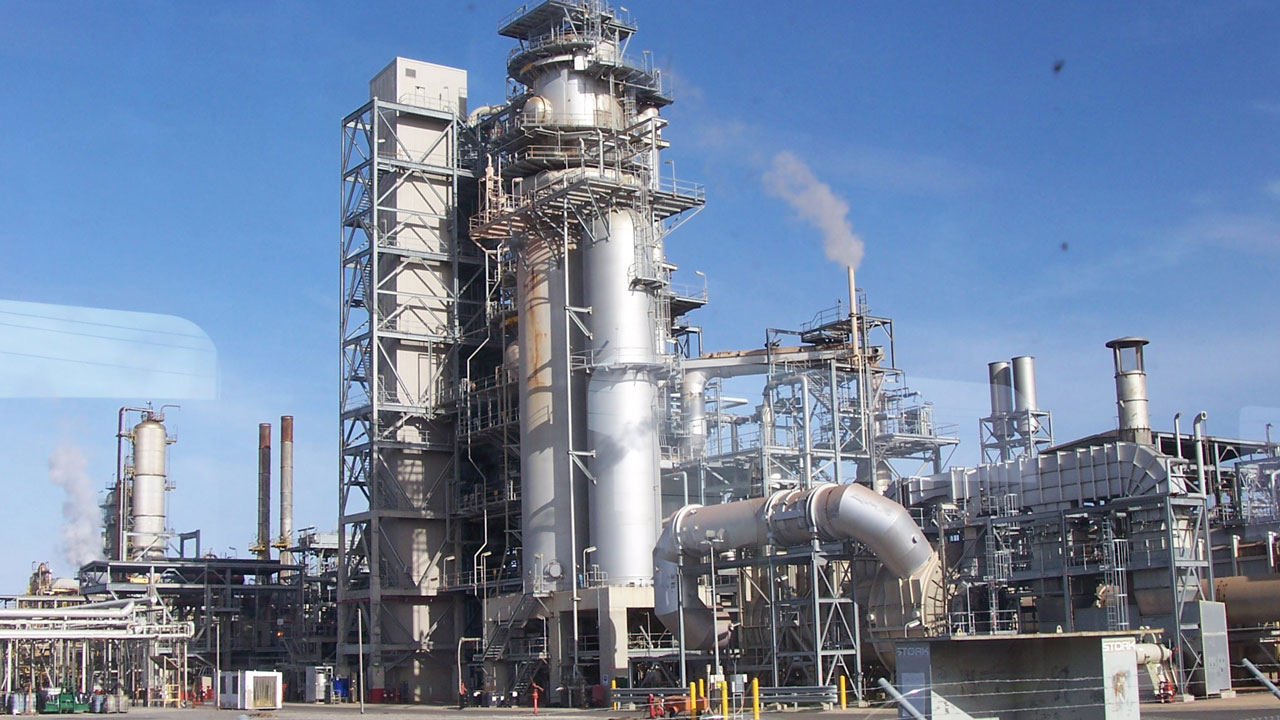
Dangote Refinery says it does not import refined petroleum products into Nigeria, insisting that all petrol and other fuels sold from its operations are fully refined locally.

The clarification was made by the Chief Executive Officer of Dangote Refinery, Mr David Bird, during a news conference on Wednesday in Lagos, amid allegations over fuel importation and local refining capacity.

Bird explained that materials often mistaken for imported fuel were, in fact, intermediate feedstocks used to optimise refinery operations.

He said these include high catalytic sulphur gasoline and straight-run naphtha, unfinished components that undergo extensive processing at the Lekki-based facility before becoming market-ready products.

“We do not import refined fuel. Everything sold as petrol, diesel or aviation fuel is refined here in Lekki to Nigerian and international Euro-V standards,” Bird said.

According to him, the use of intermediate feedstocks is standard practice in complex and merchant refineries across major refining hubs such as the United States, the United Kingdom, Singapore and India.

Bird noted that the Dangote Refinery, unlike refineries located directly at the end of crude oil pipelines, operates as a merchant refinery, sourcing diverse crude and feedstock grades largely by sea.

He said this flexibility allows the refinery to maximise utilisation of its advanced conversion units and upgrade every molecule into high-value, clean fuels and petrochemicals.

Bird accused some oil marketers and regulatory actors of undermining the nation’s local refining drive by importing cheaper, sub-standard fuels while declining to patronise domestically refined products.

Such actions, he warned, threaten the country’s energy security and foreign-exchange stability.

Bird disclosed that the refinery currently supplies about 45 million litres of petrol daily to the domestic market and did not export petrol during the peak Christmas and New Year period.

He said exports only occur when there is excess supply or limited domestic uptake, particularly during the early operational phase.

Highlighting public health benefits, Bird said local refining had significantly reduced sulphur and metal content in fuels now consumed in Nigeria, making them comparable to products used in Europe and North America.

Bird described the Dangote Refinery as one of the most modern and automated facilities globally, producing high-value “white products” such as petrol, diesel, aviation fuel and polypropylene.

Reaffirming the company’s long-term vision, Bird said the refinery remained committed to meeting domestic demand first while positioning Nigeria as a hub for clean, world-class fuels in Africa.

“West Africa should no longer be a dumping ground for inferior products.

“Nigeria deserves and now produces the best,” he said. (NAN

  • Facebook
  • Share on X
  • LinkedIn
  • WhatsApp
  • Email
  • Copy Link

Post navigation

Previous Nigeria records 10,446 road traffic crashes, 5,289 deaths in 2025
Next INEC urges NASS to expedite action on Electoral Act amendment

Related Stories

Under Tinubu, FAAC allocations peak at N2.8trn monthly, highest ever – Oyedele
  • Business & Economy

Under Tinubu, FAAC allocations peak at N2.8trn monthly, highest ever – Oyedele

August 18, 2026
West Africa cocoa sector struggles to meet EU anti-deforestation rules, raising supply concerns
  • Business & Economy

West Africa cocoa sector struggles to meet EU anti-deforestation rules, raising supply concerns

August 17, 2026
Oil climbs over $1 on tanker attacks, no progress on peace reserves crude oil
  • Business & Economy

Oil climbs over $1 on tanker attacks, no progress on peace

August 14, 2026
logo

Political Economist is a liberal news magazine with global affiliations.

At Political Economist, we promote free enterprise and act as a catalyst for the growth of knowledge economy. We are proudly pan-Nigeria yet richly spiced with African and global news. We offer a fair and balanced news reportage presented by our team of well-heeled professional journalists. <

About us

  • 5 Olutosin Ajayi Street, By CPM Church, Ajao Estate, Lagos State, Nigeria
  • +234 805 680 1124
  • info@politicaleconomistng.com

Follow

Subscribe to notifications

You may have missed

Under Tinubu, FAAC allocations peak at N2.8trn monthly, highest ever – Oyedele
  • Business & Economy

Under Tinubu, FAAC allocations peak at N2.8trn monthly, highest ever – Oyedele

August 18, 2026
Osun 2026: When the people speak, politics must listen, by Muyiwa Akintunde
  • Commentaries

Osun 2026: When the people speak, politics must listen, by Muyiwa Akintunde

August 18, 2026
Bayelsa Assembly defies court order: Still summons Sagbama Council chairperson
  • National News

Bayelsa Assembly defies court order: Still summons Sagbama Council chairperson

August 18, 2026
NDC leader Dickson appoints Sani Takori, VinMartin Ilo, Steve Nwosu as aides
  • Politics

NDC leader Dickson appoints Sani Takori, VinMartin Ilo, Steve Nwosu as aides

August 18, 2026
  • Home
  • About us
  • Contact us
  • Newsletter
  • Privacy Policy
Copyright © All rights reserved. | DarkNews by AF themes.