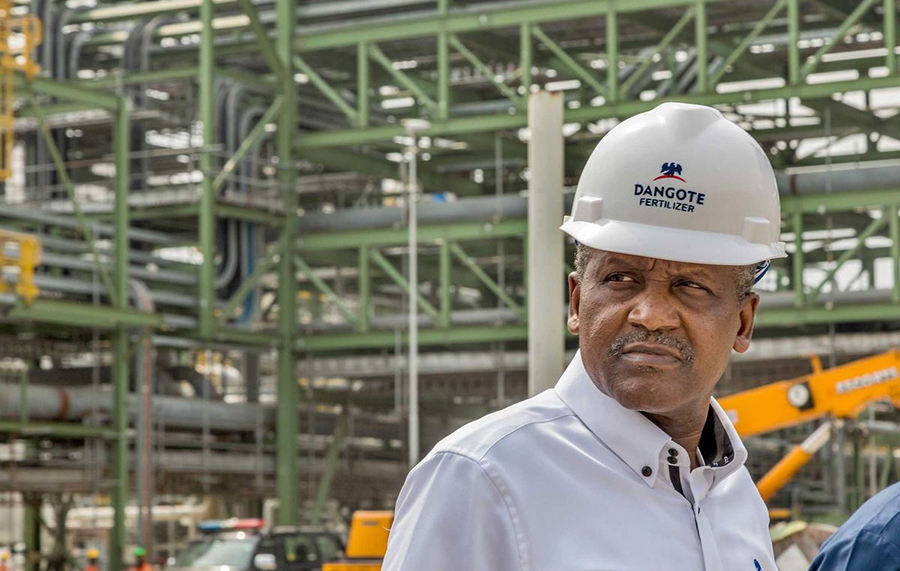





















Edoh Kossi Amenounve, CEO of Abidjan-based BRVM, told Reuters the talks began in April at Dangote’s invitation and have focused on how exchanges across Africa could participate in the initial public offering despite different listing rules.
“It was not easy to have a kind of consensus on how the IPO can be conducted in all these different markets,” Amenounve said on the sidelines of the Africa Financial Summit in Luanda.
One option was to use Global Depositary Receipts (GDRs), allowing instruments representing the shares to be listed on other African exchanges, akin to what has been done in Kenya and Botswana, he said.
The Dangote refinery IPO, which closed on October 28, drew around 6.4 trillion naira ($4.77 billion) in demand from Nigerian retail and institutional investors, around three times the amount on offer, people with knowledge of the situation told Reuters.
The shares are due to list on the Nigerian Exchange later in November.
Amenounve said companies seeking to list across multiple African jurisdictions currently need separate approval from the securities regulator of each market.
He urged regulators to move toward mutual recognition of each other’s decisions.
“If you want to ease this kind of process, maybe it is time to think about harmonisation and mutual recognition,” he said.
He said the technology needed for cross-border trading already exists through the African Exchanges Linkage Project (AELP), but regulatory barriers remain.
Separately, Amenounve said the BRVM has pushed back the launch of West Africa’s first derivatives market to 2027, citing outstanding regulatory and technology work. Initial products would include forwards on market indexes and selected stocks.
He also said the exchange expects one or two IPOs in 2027 and that it was “very, very important” to diversify beyond its concentration in banks and telecoms.
“The future of the continent is also in mining, agriculture, industrialisation, energy,” he added.
REUTERS