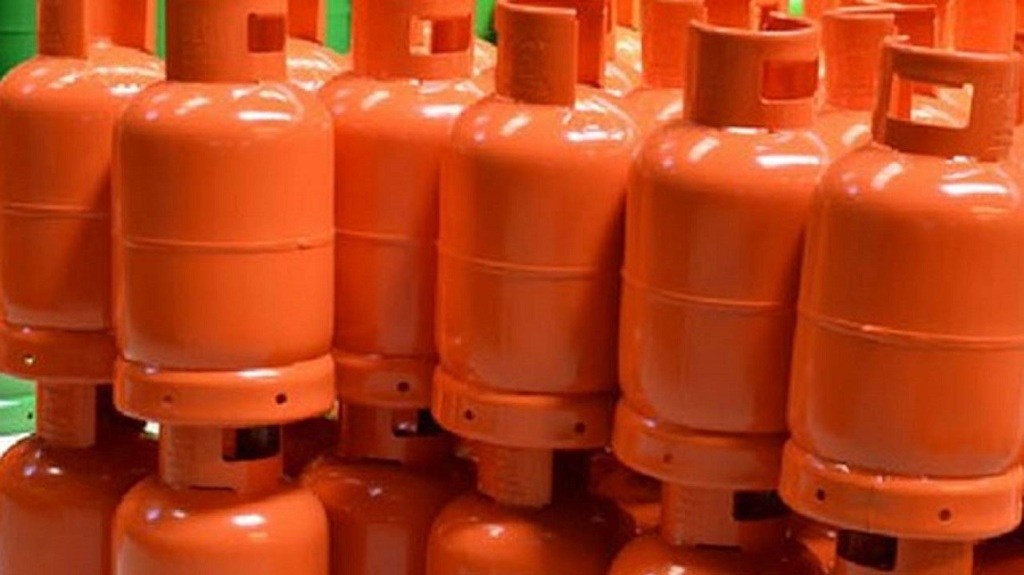
The Nigerian Association of Liquefied Petroleum Gas Marketers (NALPGAM) has called for greater transparency in the pricing and distribution of cooking gas to ensure that increased domestic production translates into lower retail prices for Nigerian households.
The association’s President, Mr. Edu Inyang, made the call during an interview with the News Agency of Nigeria (NAN) in Lagos on Sunday, noting that rising local output, particularly from the Dangote Refinery has not automatically eased prices due to supply imbalances, logistics bottlenecks, and wide disparities between refinery gantry and depot selling prices.
While acknowledging that domestic refining has improved supply prospects, Inyang pointed out that international benchmarks, foreign exchange exposure, and steep transportation costs continue to weigh on retail prices. He stressed that marketers operate largely as “price takers” who buy at prevailing depot rates before adding operational and delivery margins.
“Where the differential becomes excessive, particularly when products are sourced locally, there is a need for greater transparency and regulatory scrutiny,” Inyang said, noting that depot margins should only reasonably reflect storage, handling, financing, and haulage costs.
Expressing concern over unequal product access and inconsistent depot pricing, the NALPGAM boss urged the Nigerian Midstream and Downstream Petroleum Regulatory Authority (NMDPRA) to tighten oversight of depot inventories, product allocations, and sales.
He called on the regulator to investigate unexplained price gaps, sanction anti-competitive practices, and regularly publish industry data on local production, imports, and depot rates to promote market accountability, adding that allegations of hoarding should be settled through formal regulatory probes rather than speculation.
To eliminate unnecessary middlemen, Inyang disclosed that NALPGAM is engaging domestic producers, including Dangote Refinery and Nigeria LNG Limited (NLNG) alongside depot operators to establish direct and transparent off-take arrangements. He also urged fellow marketers to optimize operations and avoid arbitrary mark-ups.
To permanently drive down costs for households, food vendors, and small businesses, Inyang outlined key structural interventions:
Infrastructure Expansion: Upgrading inland distribution networks, coastal terminals, and storage facilities while reducing port and vessel charges.
Policy and Financing: Enforcing domestic supply obligations, expanding the cylinder recirculation programme, and providing affordable credit for marketers and infrastructure investors.
Although Inyang declined to guarantee specific price benchmarks before the end of 2026 due to external market variables, he expressed optimism that transparent allocation and strict regulatory enforcement would moderate costs.
“My message to Nigerians is that domestic LPG production must translate into domestic affordability,” he said. “We are not asking for artificial price controls; we are demanding transparency, fair competition, efficient distribution, and a market where no participant exploits supply challenges to the disadvantage of consumers.”(NAN)