Air Peace
Air Peace said it operated 2,564 flights in August, as against 1,864 flights contained in the NCAA report.
Nigeria biggest carrier, Air Peace, has faulted flight delay figures contained in the Nigeria Civil Aviation Authority (NCAA) report for August, saying it did not reflect the airline’s total flight operations.
Air Peace said the report did not also put into perspective the factors responsible for the delays recorded during the month in review.
This is contained in a statement signed by its Chief Operating Officer, Mrs Oluwatoyin Olajide, on Thursday in Lagos.
Recall that NCAA, in the report, indicated that Air Peace delayed 1330 of the 1864 flights it operated in the month and cancelled seven.
Olajide, however, said that the airline operated 2,564 flights in August, as against 1,864 flights contained in the NCAA report.
According to her, the difference of more than 700 flights affected the calculation of its reported delay rate.
The airline also questioned the absence of equivalent monthly data for July, noting that the NCAA’s August report was released shortly after the end of the month.
Air Peace said the August figures should also be considered against the operational disruptions arising from the industrial action by aviation unions on Aug. 11.
It said the disruption affected its operations for more than 14 days, resulting in flight rescheduling, delays and cancellations.
She further said the NCAA report did not sufficiently distinguish between delays arising from internal operational factors and those caused by external circumstances.
Olajide said its internal review showed that 391 flights, representing about 15 per cent of the delays recorded during the month, were attributable to internal factors.
She identified technical issues requiring unscheduled aircraft maintenance and fuel-related matters as the major internal causes.
She said external factors included airport congestion and infrastructure challenges,, bird strikes, adverse weather conditions, industrial action and damage to an aircraft by a ground handling company.
Olajide said airport congestion and traffic accounted for more than 51 per cent of its external delays, with aircraft sometimes held on the ground or in holding patterns because of airport capacity constraints.
She also cited bird strikes as another factor affecting its operations.
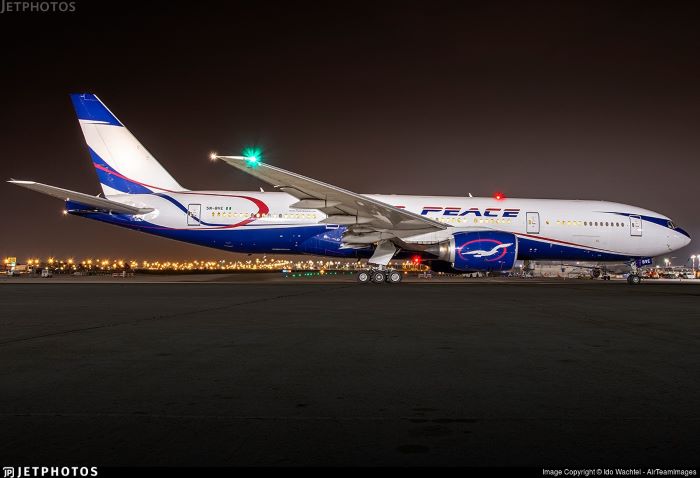
Olajide said one of its aircraft, 5N-BYG, was damaged by a bird strike in Abuja and was removed from service for more than a week for repairs.
She said the repair of the aircraft’s inlet cowl cost about $1.8 million.
She added that the aircraft normally operates at least eight sectors daily and carries about 1,000 passengers, meaning its removal from service affected subsequent flight rotations.
She also attributed some delays to airport facility limitations and breakdowns, as well as adverse weather conditions that resulted in safety-related holds and flight diversions.
Olajide said a single diversion could result in several hours of consequential delays as aircraft and crew schedules were adjusted.
Olajide explained that it continued to provide support to affected passengers, including hotel accommodation where necessary, even when disruptions were caused by circumstances outside its control.
She said the figures from its internal review indicated that delays directly attributable to the airline accounted for about 15 per cent of its total delays in August.
Olajide said the airline had continued to invest in fleet expansion, crew availability, training and aircraft maintenance, while working to improve its internal processes and reduce operational delays.
It urged the NCAA to review its data collection and reporting processes to ensure that future reports accurately reflect airlines’ flight volumes and the causes of operational delays. (NAN)