An impending “super” El Niño is likely to inflict a combined $10 billion to $20 billion hit on affected African countries and trigger mass migration from hard-hit areas, the African Development Bank’s top climate expert told Reuters.
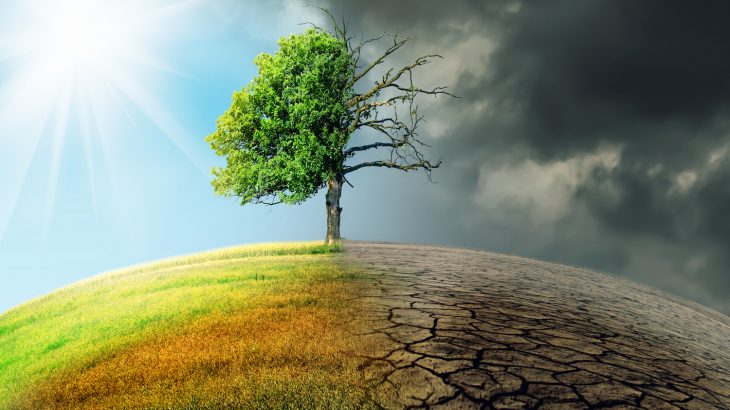
Forecasters are warning that the El Niño weather pattern — which often drives severe droughts, flooding and storms in Africa — could turn into one of the strongest ever seen if current Pacific Ocean warming trends continue.
As well as the threat to food and water security, government finances and banking sectors could also be undermined if disasters damage infrastructure and leave cash-strapped countries struggling to repay the connected loans.
“Just this event is going to reduce heavily affected countries’ GDP by 1% to 2% on average, which is about $10 billion to $20 billion across the continent,”
Anthony Nyong, the AfDB’s director for climate change and green growth, said in an interview.
The AfDB’s most recent forecasts in May predicted Africa as a whole would see 4.2% economic growth this year, rising to 4.4% in 2027 assuming the U.S.-Israeli war on Iran eases.
That, however, was before forecasts of a “super” or “Godzilla” El Niño were made.
Nyong’s estimate of the likely $10 to $20 billion hit is the first given by a major multilateral development bank in relation to El Niño. He did not provide a country-by-country breakdown of the estimate but warned it was unlikely to be a one-off either.
Drought conditions, which much of the Sahel region has been suffering from in recent years, may persist, while Mozambique’s experiences after Cyclone Idai in 2019 show it can take years to recover from major storms.
Governments were also getting snared in what Nyong described as the “climate finance trap”, where they lack the resources to respond to crises and are forced to raid health, education or infrastructure budgets to meet the costs.
The 2023 to 2024 El Niño event caused severe drought in Southern Africa and heavy rains and flooding in East Africa. These conditions led to widespread crop failures, surging food prices, and record-breaking sea-level spikes along the continent’s coastlines.
The AfDB has estimated Africa’s farmers are already facing nearly $330 million in lost income this year, while fishing industries could be hit hard too due to rising sea temperatures and storms.
“When these shocks happen, countries take two steps back,” Nyong said. “We don’t want our countries to slide into poverty.”
Pacific Ocean surface temperatures have recently climbed to multi-decade highs, confirming a strong El Nino
SEPTEMBER SEMINAR
The AfDB’s response to El Niño is set to ramp up with a bank-wide “seminar” in September as top staff assess the potential impact on both its planned and existing investments.
Nyong said it stood ready to restructure projects to help countries manage El Niño’s impacts and would work with them to tap additional multilateral support such as the Green Climate Fund, the world’s largest dedicated climate fund.
Other possible help could come from the Adaptation Fund, Climate Investment Funds and newer loss-and-damage financing mechanisms, he added.
An October report from the United Nations, opens new tab estimated that by 2035 developing countries will collectively need around $365 billion in a year to tackle climate change, yet international public adaptation finance was just $26 billion in 2023.
Nyong said Africa will now need as much as $100 billion this year given the expected El Niño strength.
“The (climate adaptation finance) need was already about $50 billion,” Nyong said, referring to the next 12 months. “But this adds another $30 billion to $50 billion to that”.
MASS MIGRATION
Humanitarian pressures would add to the problems, Nyong said, and the bank had identified Sudan, South Sudan, Democratic Republic of Congo, Somalia, Mali, Burundi and even Nigeria as countries that could face particularly severe impacts.
“When this El Niño comes there is going to be mass migration,” he said, adding that the price of maize — a key food staple in many affected countries — was expected to double. “You are not going to stay put, you are going to move,” he said.
The resulting resource shortages and competition for grazing land and water could exacerbate existing fragility in vulnerable regions, Nyong said, with agricultural losses seen at around $327 million and fisheries productivity set to fall 1% to 4%.
All of which signal Africa will need more action to build up resilience before disasters strike, he added — a theme that is will be central to the next round of global climate talks, set to be held in Turkey in November.
“It is cheaper to build a fence around a precipice than to pay for expensive ambulances to wait at the bottom for people to fall,” he said. “So let’s build a fence”.
REUTERS